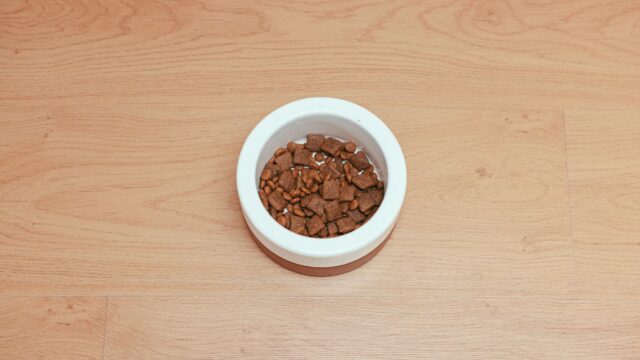
Natural and Organic Dog Food: What the Labels Really Mean
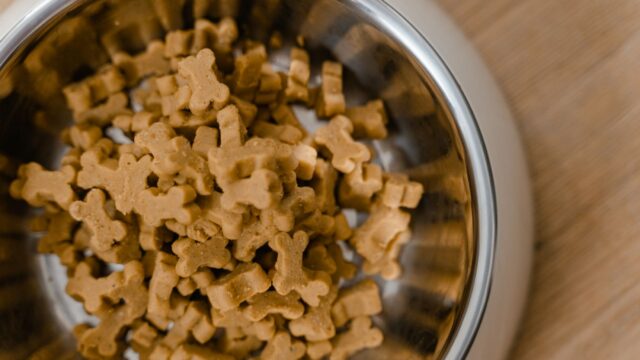
Natural dog food means no synthetic ingredients beyond added vitamins; organic means certified farming. Neither proves better nutrition. Here is how to read them.
What to feed dogs, cats and small pets: labels, portions, safe and toxic foods, special diets and food recalls.
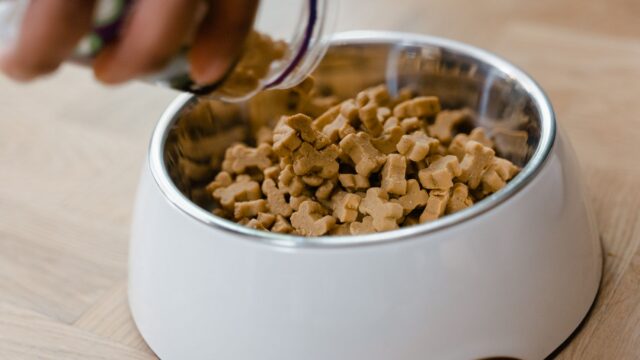
Natural dog food means no synthetic ingredients beyond added vitamins; organic means certified farming. Neither proves better nutrition. Here is how to read them.
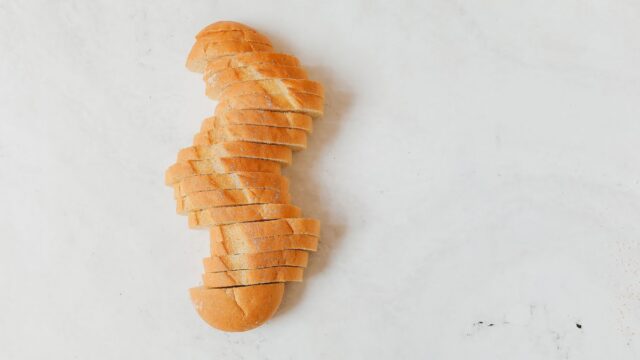
Can dogs eat bread? Plain baked bread is fine in small amounts, but raw dough and add-ins like raisins, garlic and onion are dangerous. Here is what to do.
Dog food for picky eaters starts with ruling out illness. See why dogs refuse meals, what to try at home and when to call your vet.
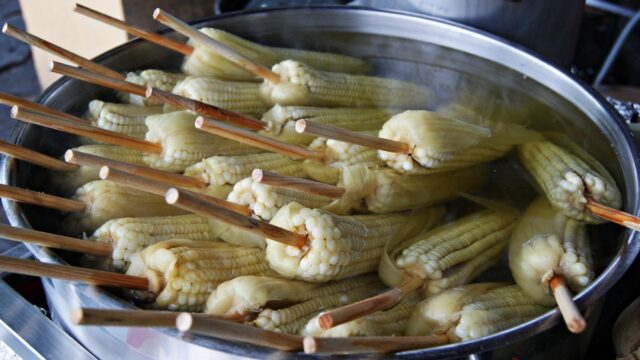
Plain corn kernels are generally fine for most dogs in small amounts, but the cob is a common cause of intestinal blockage. Learn the risks and what to do.
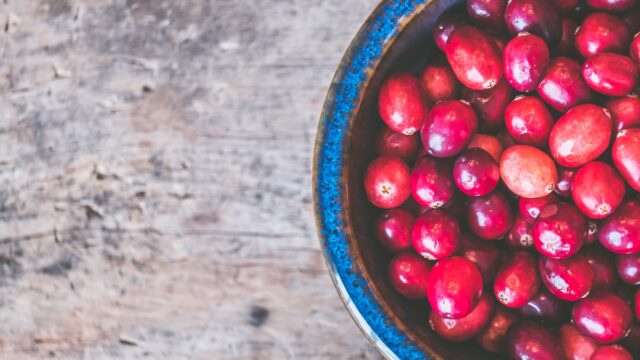
Plain cranberries are generally safe for dogs in small amounts, but sugary sauce and some dried berries are risky. Learn the differences, portions and warning signs.
Stuffing is not safe for dogs. Learn which ingredients are toxic, what to do if your dog ate some and how to give a safe holiday treat instead.
Human-grade has a specific legal meaning on dog food labels, but it says little about nutrition. Learn what to check on the bag and when paying more makes sense.
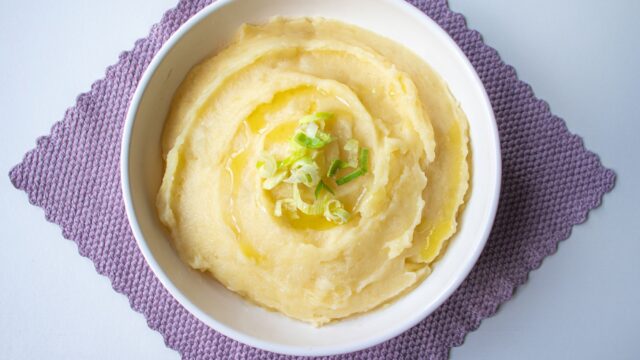
Plain cooked potato is generally safe for dogs in small amounts, but butter, garlic and onion are not. Here is what to skip, how much is fine and when to call a vet.
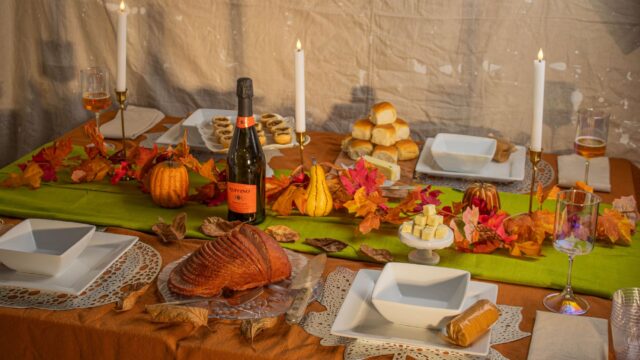
A tiny bite of plain ham is unlikely to harm a healthy dog, but salt, fat, bones and glazes make holiday ham a risky treat. Here is what to do instead.
A few safe ingredients and an ice cube tray are all you need. Keep portions small, check labels for xylitol, and remember treats are extras, not meals.
We use analytics cookies to see which articles are read. No ads cookies. Privacy policy