Can Dogs Eat Ham? Salt, Fat, Bones and Why Holiday Ham Is a Poor Treat
A tiny bite of plain ham is unlikely to harm a healthy dog, but salt, fat, bones and glazes make holiday ham a risky treat. Here is what to do instead.

Dogs can swallow a small bite of plain ham without harm in most cases, but ham is a poor treat. It is high in salt and fat, and holiday hams add glazes, spices and bones that can make a dog sick. If you want to share, keep it to a tiny, plain, boneless piece, and choose a safer treat for the rest.
Why ham is a poor choice for dogs
Ham is cured meat. Curing relies on salt, and many hams also contain sugar, smoke flavoring and preservatives. A dog’s body is much smaller than ours, so an amount that seems modest to a person can be a large dose for a dog.
- Salt: too much sodium can cause intense thirst and urination, vomiting and diarrhea. In large amounts, salt poisoning is possible and can be serious.
- Fat: rich, fatty foods are a well-known trigger for pancreatitis, a painful inflammation of the pancreas. It can happen after a single fatty meal, and small dogs and breeds prone to the condition are at higher risk.
- Additives: glazes may contain sugar, honey, mustard, pineapple, cloves or other spices. Some seasonings are a problem for dogs, and the sweet coating adds calories with no benefit.
The ham bone problem
Many owners picture handing a dog the leftover bone as a holiday treat. Veterinarians generally advise against it. Cooked bones can splinter into sharp pieces. Those pieces can cut the mouth, get stuck in the throat, or cause a blockage or tear further down the digestive tract.
Even a bone that does not splinter can crack a tooth or lodge in the esophagus. Throw bones away in a bin the dog cannot reach, because dogs are good at raiding kitchen trash on a holiday evening.
Also watch for the string or netting, foil, and the plastic or elastic casing that sometimes comes with a ham. These are not food and can cause a blockage if swallowed.
Which kinds of ham are riskiest
- Glazed or spiral-cut holiday ham: the highest-risk option because of the sugary coating, spices and salt.
- Deli ham and ham slices: usually very salty, and some may include onion or garlic powder in the flavoring. Onion and garlic are harmful to dogs, so check the label.
- Ham fat and trimmings: the greasy edge is the part most likely to set off pancreatitis. Do not give the fat as a treat.
- Raw or undercooked pork: uncooked pork can carry parasites and bacteria, so never feed it raw.
- Plain, boneless, lean cooked ham: the least risky form, and still only suitable as a very small occasional bite.
If your dog already ate ham
Stay calm and work out what and how much was eaten. A small scrap of plain ham from a healthy adult dog often passes without a problem, though the dog may get an upset stomach. The situation is different if the dog ate a large amount, the fatty trimmings, a glazed portion, or any bone.
Call your veterinarian or a local emergency vet if you see any of these signs:
- repeated vomiting or diarrhea
- a hunched posture, a tender belly or restlessness
- loss of appetite or unusual tiredness
- excessive drinking, tremors or weakness
- gagging, drooling, retching without producing anything, or a swollen belly
If the dog ate a bone, a large amount of ham, or something that may contain a toxic ingredient, call the vet even if the dog seems fine for now. For possible poisoning, the ASPCA Animal Poison Control Center can advise, and a fee may apply. Do not try to make your dog vomit unless a veterinarian tells you to.
Dogs with a history of pancreatitis, kidney or heart disease, or those on a prescription diet should not get ham at all. Ask your vet what is safe for your dog.
Safer ways to include your dog at the holiday table
If you want your dog to feel part of the meal, plan a treat ahead of time rather than handing out scraps. Guests are often the biggest source of extras, so ask them to check with you first.
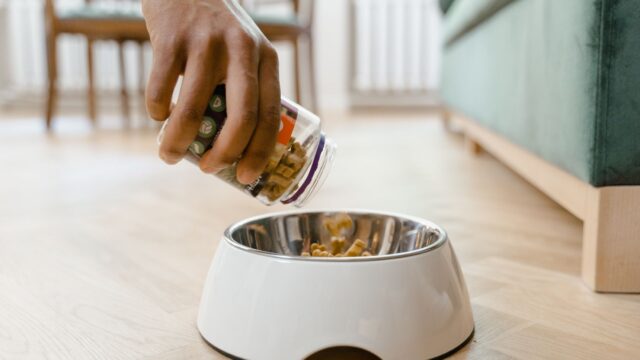
- Use their usual training treats in a puzzle toy or lick mat during the meal. Our guide to the best treats for training dogs explains size, calories and the 10% rule.
- Offer a few safe fruits or vegetables. The list of fruits and vegetables dogs can eat covers what to give and what to avoid.
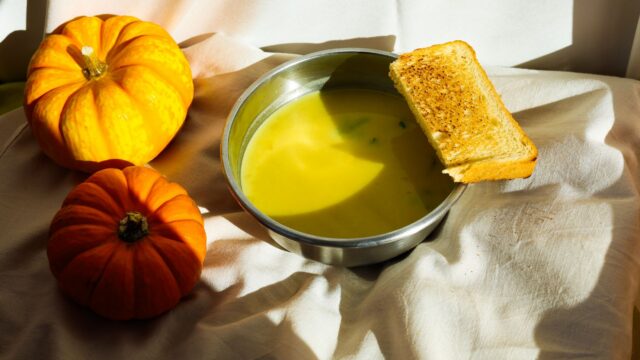
- Give a spoonful of plain canned pumpkin, as described in our pumpkin guide, and avoid pie filling.
- For turkey instead of ham, see which turkey parts are safe and which leftovers are risky.
Treats and extras should stay a small part of the daily diet, commonly kept to about 10% of calories. A feeding tool such as the dog and cat calorie calculator can help you estimate your dog’s daily needs so a holiday extra does not push them over.
Keep ham out of reach
A ham resting on a counter is easy for a dog to steal, especially a large breed that can reach it. Keep the joint, the carving board and the leftovers well back from the edge, store leftovers in the fridge straight away, and take out the trash before you go to bed. Tell visitors not to slip food under the table. Put the dog in another room with a chew toy or a stuffed puzzle if the kitchen is busy.
Quick answers
Can dogs eat a small piece of plain ham?
A very small piece of plain, boneless, lean ham is unlikely to hurt a healthy dog. It should be a rare treat, not a habit, because of the salt.
Can dogs eat ham bones?
No. Cooked ham bones can splinter or get stuck, and veterinarians advise against giving them. If your dog swallowed one, call your vet.
Is deli ham or sliced ham safe for dogs?
It is usually very salty and may contain onion or garlic powder. It is better to skip it. If you use a sliver as a pill hiding spot, check the ingredients and ask your vet about a safer option.
What should I give my dog instead of ham?
Their regular treats, a few plain vegetables or a spoonful of plain pumpkin are better choices. Keep portions small and check with your vet if your dog has a health condition.