36 Percent of US Dog and Cat Owners Use AI for Pet Care
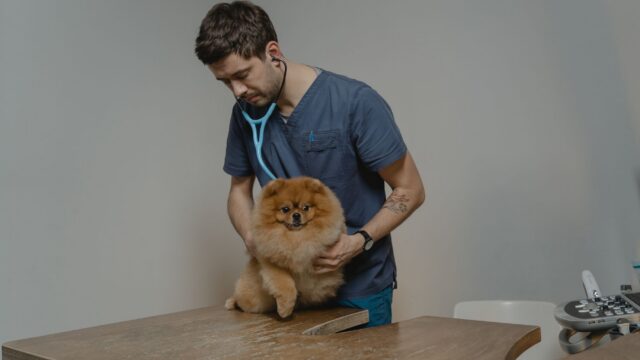
A HABRI and Chewy Health survey of 2,008 U.S. dog and cat owners found 36 percent have used AI for pet care, and many say it improves vet visits.
A HABRI and Chewy Health survey of 2,008 U.S. dog and cat owners found 36 percent have used AI for pet care, and many say it improves vet visits.
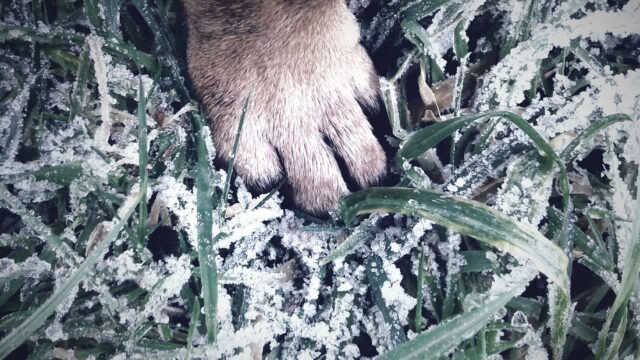
Winter paw care for dogs means rinsing off road salt, trimming fur to stop ice balls, and using booties or balm. Signs of sore paws and when to call a vet.
Accident-only pet insurance pays for injuries; comprehensive plans also cover illness. See what each includes, what neither covers and which pets each fits.
Spaying or neutering costs least at shelters and low-cost clinics and most at full-service vets. See what drives the price for dogs and cats and how to pay less.
Reverse sneezing in dogs is a loud, snorting spasm that usually passes on its own. See common triggers, how to help, and signs that need a vet visit.
Pay an emergency vet bill with a clinic payment plan, a vet financing card, insurance or charity help. See how each works and what to ask before you sign.
Dogs can eat apples in small amounts if you remove the core and seeds. See safe portions by dog size, how to serve them and which apple foods to skip.
Yes, dogs can eat plain strawberries in small amounts. Portions by dog size, fresh vs frozen, how to prep them and which strawberry foods to avoid.
Yes, dogs can eat bananas in small amounts as an occasional treat. Portion sizes by dog size, serving ideas, the peel, banana bread and when to skip them.
Chewy Health released a Do Not Crush List of Pet Medications for vets and owners. What the list covers, who wrote it and why crushing pills can matter.
The ASPCA and IPAW Rescue are giving $1.4 million to Dog Is My CoPilot, a nonprofit that flies shelter dogs and cats to areas with more adopters.
Blue Buffalo's new Wilderness Bone Broth Boosted cat food can be served dry or with water as a broth. Here are the recipes, ingredients and where to buy it.
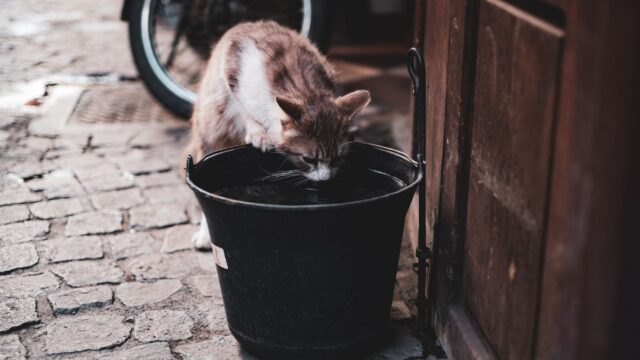
To get a cat to drink more water, feed more wet food, try a fountain and use wide, clean bowls away from food and litter. Plus warning signs to watch.
Cat sneezing is most often a viral cold or a reaction to dust or scents. See which signs need a vet, how to help at home and what to keep away from cats.
Cats can eat small amounts of plain, fully cooked turkey meat. Skin, bones, gravy, stuffing and seasonings are the problem. Here is what is safe and what to avoid.
A sad or upset dog may withdraw, lose appetite or change sleep habits. Learn the body language clues and when a vet visit is the safest next step.
Dogs follow their owners out of instinct, habit and attachment. Learn the common reasons, when it is normal, and when clinginess may signal anxiety or a health problem.
Dogs lick for affection, attention, taste, habit or stress. Learn what each cause looks like, how to cut it back, and when to call your vet.
Clumping clay is the easiest cat litter to clean for most homes. Compare scooping, full changes and odor control for clumping, paper and crystal litter.
Learn how to pick a cat bed or house: hooded beds, cabanas, heated beds and simple DIY ideas, with sizing, safety and placement tips for every cat.
Pick the right dog or pet gate by opening size, mounting type, height and your dog's habits, with safety tips for stairs and a few safe DIY options.
We use analytics cookies to see which articles are read. No ads cookies. Privacy policy