Can Dogs Eat Bread and Dinner Rolls? Safe Types and Risks
Can dogs eat bread? Plain baked bread is fine in small amounts, but raw dough and add-ins like raisins, garlic and onion are dangerous. Here is what to do.
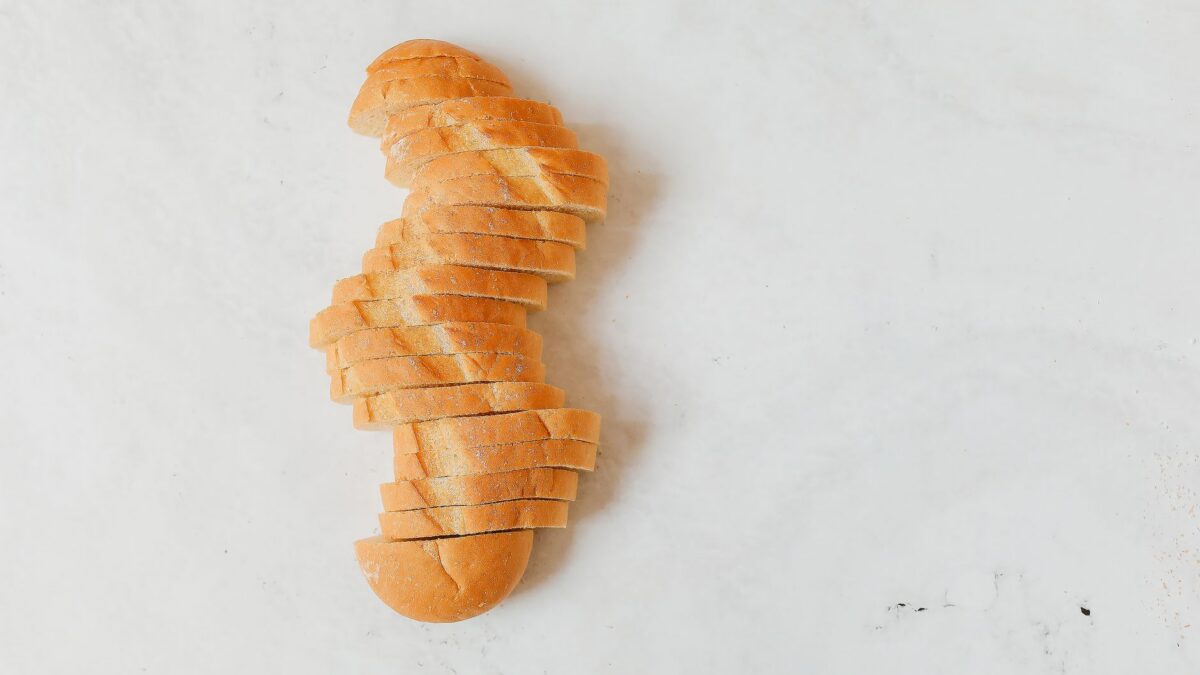
Yes, most dogs can eat a small piece of plain, fully baked bread or a plain dinner roll without harm. Bread is not toxic on its own, but it has little nutritional value for dogs, and two situations are genuinely dangerous: raw yeast dough, and bread that contains ingredients such as raisins, onion, garlic or certain nuts. If your dog has eaten raw dough or any bread with risky add-ins, call your veterinarian or an emergency vet right away.
Plain baked bread: what is fine and what is not
White, wheat and whole-grain bread are mostly starch, with some protein and fiber. For a healthy dog with no known food allergies, a bite or a small crust is an occasional, low-risk treat. Dinner rolls, plain bagels and plain baked sourdough fall into the same group once they are fully baked.
That said, bread does not give a dog anything a balanced dog food does not already provide. It is calorie-dense for its size, and the calories add up quickly in small dogs. A general rule is that treats and extras should stay well under about 10 percent of a dog’s daily calories, so a slice of bread can be a large share of a small dog’s allowance.
- Good choices: a small piece of plain white or whole-wheat bread, a plain roll with no butter or seasoning.
- Poor choices: buttered, garlic, herb or cheese-topped bread, sweet breads, and anything heavily salted.
- Not suitable for some dogs: dogs with diabetes, pancreatitis history, obesity or a diagnosed wheat or grain sensitivity. Ask your vet before offering bread at all.
Raw yeast dough is an emergency
Raw dough is the most serious bread-related risk. It covers bread dough, pizza dough, roll dough that is rising on the counter, and sourdough starter. Inside a dog’s warm stomach, the dough keeps rising. Two problems follow:
- Stomach swelling. The expanding dough can stretch the stomach, cause pain and vomiting, and in some cases contribute to a life-threatening twisting of the stomach (bloat), especially in larger, deep-chested dogs.
- Alcohol poisoning. As yeast ferments the sugars in dough, it produces ethanol, which is absorbed into the bloodstream. Signs can include a wobbly walk, drowsiness, a drop in body temperature, slowed breathing and, in severe cases, collapse.
Do not wait for symptoms. If your dog ate raw dough, call your vet or an emergency clinic immediately. You can also call the ASPCA Animal Poison Control Center, which is staffed around the clock (a consultation fee may apply). Do not try to make your dog vomit at home unless a veterinary professional tells you to do so. Some methods are unsafe, and vomiting is not appropriate in every situation.
Have these details ready when you call:
- Your dog’s weight and breed.
- Roughly how much dough was eaten and how long ago.
- Whether the dough contained raisins, nuts, chocolate, spices or other add-ins.
- Any symptoms you can see, such as a swollen belly, retching, weakness or unusual behavior.
Once bread is fully baked, the yeast is no longer active, so the fermentation risk is gone. A loaf that has cooled and been eaten is a very different problem from dough that was left to proof.
Risky add-ins to check for
Many breads and rolls look harmless but contain ingredients that are not safe for dogs. Check the label or recipe for these:
- Raisins, sultanas and currants. Grapes and dried grapes can cause kidney injury in dogs, and the amount that is dangerous is not predictable. Raisin bread and hot cross buns should be treated as a vet call if eaten.
- Onion and garlic. These can damage red blood cells in dogs. Garlic bread, onion rolls and savory stuffing breads are common culprits. The risks of stuffing made with onions, garlic and raisins apply to bread-based dishes in general.
- Macadamia nuts. Often found in some cookies and specialty breads, these can cause weakness, tremors and vomiting in dogs.
- Chocolate chips. Chocolate bread, brioche with chocolate and sweet rolls can contain a toxic ingredient for dogs.
- Xylitol. This sweetener is highly toxic to dogs. It is rare in ordinary bread, but it can appear in some sugar-free baked goods and in spreads such as certain nut butters. Always check labels on anything sugar-free.
- Nutmeg and heavy spices. Large amounts can be harmful to dogs.
- Butter, oil and salt. A lot of fat can upset the stomach and may trigger pancreatitis in susceptible dogs. Salty crusts and pretzel-style rolls add extra sodium.
The same caution applies to the rest of a bread-heavy meal. Rolls served alongside rich sides are often the least of the problem, as the difference between plain potato and a version made with butter, garlic and onion shows.
How to offer bread safely
- Choose plain, fully baked bread with a short ingredient list and no raisins, nuts, chocolate, onion, garlic or sugar-free sweeteners.
- Remove butter, spreads, seeds with heavy toppings and any seasoning.
- Offer a small piece, roughly the size of a regular training treat for small dogs, and a little more for large ones.
- Watch for vomiting, diarrhea, itching or unusual tiredness over the following day. Contact your vet if these appear.
- Do not use bread to hide medication unless your vet has said that is fine for that specific drug.
Preventing dough and bread accidents
Most dough emergencies happen because a bowl was left to rise within a dog’s reach. A few habits reduce the risk:
- Let dough rise in a closed oven (turned off), a microwave, or a high cabinet, not on a low counter or table.
- Keep bread bags, loaves and rolls out of reach, because dogs can open bags and eat an entire loaf, plastic and all.
- Take extra care during holidays, when guests, platters and open food are everywhere. The holiday checklist for turkey and leftovers is a good model for planning what stays off the table.
- Tell visitors not to hand out rolls under the table.
Salt dough craft mixtures and play dough are also unsafe to eat. They contain large amounts of salt, so treat any significant ingestion as a reason to call your vet.
Quick answers
Can puppies eat bread?
A tiny piece of plain baked bread will not usually harm a healthy puppy, but puppies need a complete puppy diet for growth, and extras can upset small stomachs. Ask your vet before adding human food.
Is bread good for a dog with an upset stomach?
Do not treat vomiting or diarrhea at home with bread on your own. A dog that is unwell needs veterinary advice, especially if signs last more than a day, or if the dog is a puppy, a senior or has other health conditions.
Can dogs eat gluten-free bread?
It depends on the ingredients. Some gluten-free breads contain seeds, nuts, sweeteners or added fats that may not suit dogs. Check the label for xylitol and other risky items, and keep portions very small.
What if my dog ate a whole loaf of baked bread?
A large amount of plain baked bread can cause stomach upset or blockage from the bag. Call your vet for advice, particularly for small dogs, and mention any raisins, onions, garlic or other add-ins.