Dog Food for Picky Eaters: Why Dogs Refuse Food and What Helps
Dog food for picky eaters starts with ruling out illness. See why dogs refuse meals, what to try at home and when to call your vet.
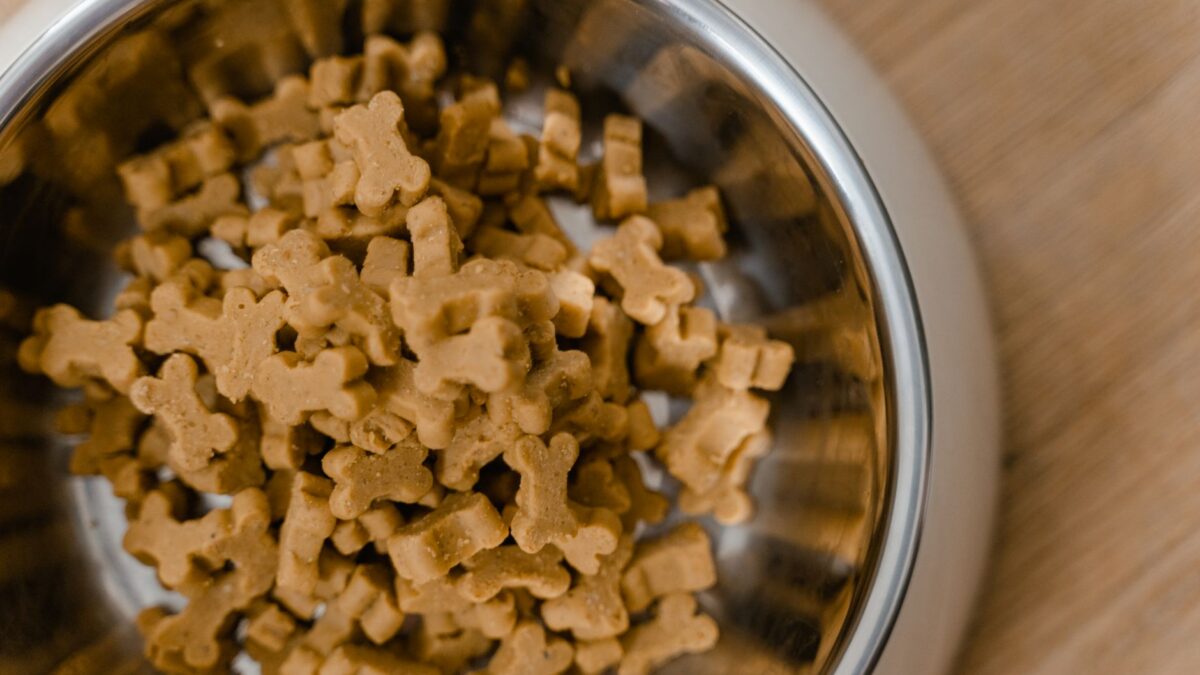
A dog that suddenly refuses food may have a medical problem, so start there. If your dog is otherwise bright, active and eating treats or table scraps but turning up its nose at the bowl, the cause is often habit, too many snacks or boredom with the food. Sudden changes, vomiting, lethargy or refusing food for more than a day or so need a call to your veterinarian.
Why dogs refuse food
Some causes are medical and some are about routine. Common ones include:
- Illness or pain. Dental disease, stomach upset, infections, pain and many other conditions reduce appetite.
- Stress. Moving house, travel, a new pet or a change in schedule can put a dog off its food.
- Too many extras. Treats, chews and table food can leave a dog uninterested in meals. Dogs learn quickly that holding out brings something better.
- Heat or reduced activity. Dogs often eat less in hot weather or when they exercise less.
- A recent food change. A sudden switch can upset the stomach and make the new food unappealing.
- Medication side effects. Some medicines reduce appetite. Ask your vet rather than stopping them.
- Age. Puppies may be distracted and older dogs may lose interest as smell and teeth change.
When to see a vet
Call your veterinarian promptly if your dog:
- Refuses food for more than 24 hours (sooner for puppies, small breeds, seniors or dogs with diabetes or other conditions).
- Has vomiting, diarrhea, weakness, a swollen belly, drooling, pale gums or signs of pain.
- Drinks much more or less than usual.
- Is losing weight.
If you think your dog ate something toxic, contact an emergency vet or the ASPCA Animal Poison Control Center right away. The list of foods toxic to dogs shows what to watch for. Never give human medication to a dog unless a vet tells you to.
What to try at home
Once your vet has ruled out a medical cause, or if your dog is otherwise healthy, work through these steps in order.
- Set meal times. Feed at the same times each day, leave the bowl down for about 15 to 20 minutes, then pick it up. Offer the next meal at the next scheduled time. Healthy adult dogs will usually eat once they learn the routine.
- Cut back on treats and table food. Keep treats to a small share of daily calories, and avoid adding extras to the bowl every time your dog hesitates.
- Check the amount. Many dogs are simply fed more than they need. The dog and cat calorie calculator gives a starting estimate for daily food.
- Add exercise. A walk before a meal often improves appetite.
- Keep the setting calm. Feed away from noise, other pets and foot traffic.
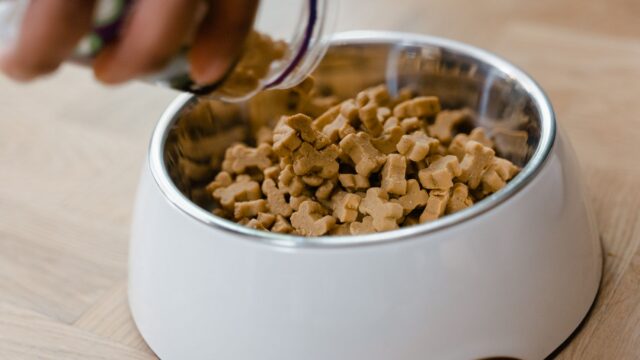
- Warm the food slightly. A little warm water over dry food or a short warm-up of wet food can bring out the smell. Make sure it is not hot.
Changing or enhancing food safely
If you decide to try a different food, switch gradually over about 7 to 10 days, mixing a little more of the new food into the old each day. A sudden swap can cause stomach upset.
Some owners try mixing wet food with kibble or a spoonful of plain, cooked, unseasoned chicken. Keep additions small so the diet stays balanced. Avoid onions, garlic, grapes, raisins, chocolate, xylitol and heavily seasoned or fatty foods. The comparison of wet and dry dog food can help you decide whether a texture change makes sense, and fresh dog food versus kibble explains another option.
Whatever you choose, look for a complete and balanced food that suits your dog’s life stage, and ask your vet before changing diets for dogs with health conditions.
Mistakes to avoid
- Changing foods every few days. This can teach a dog that refusing leads to something new.
- Adding more and more toppers to the bowl.
- Forcing food or leaving it out all day.
- Ignoring weight loss because the dog “seems fine.”
- Assuming a picky eater is just stubborn when a dental or stomach problem may be involved.
Quick answers
How long can a dog go without eating?
There is no safe universal number. A healthy adult may skip a meal now and then, but refusing food for a day or more, or any refusal in a puppy, senior or ill dog, warrants a call to the vet.
Should I add toppers to make dog food more appealing?
A small amount of a safe topper is fine for some dogs, but frequent additions can unbalance the diet and reinforce picky habits. Ask your vet what suits your dog.
Why does my dog eat from my hand but not the bowl?
This is often a learned habit or a sign of anxiety. A quiet feeding spot and a steady routine usually help. If it began suddenly, mention it to your vet.
Is a picky eater a sign of a bad food?
Not necessarily. Most picky eating comes from routine, treats or stress. If your dog also has digestive signs after eating, talk to your vet about the diet.