Natural and Organic Dog Food: What the Labels Really Mean
Natural dog food means no synthetic ingredients beyond added vitamins; organic means certified farming. Neither proves better nutrition. Here is how to read them.
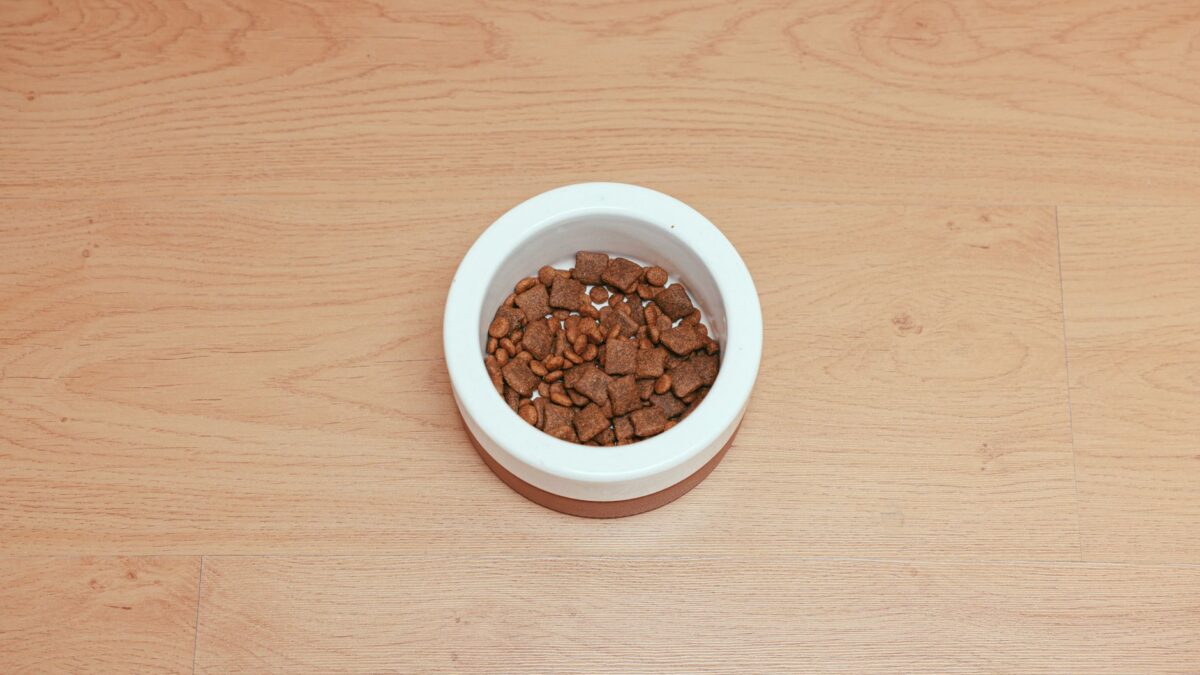
On a dog food bag, “natural” means the ingredients come from plant, animal or mined sources and have not been chemically synthesized, except for the added vitamins, minerals and trace nutrients that most complete foods need. “Organic” is a stricter, legally regulated claim: in the United States it means the ingredients were grown and handled under USDA National Organic Program rules and checked by an accredited certifier. Neither word tells you whether the food is nutritionally complete, better for your dog or made from higher-quality meat.
Both labels describe how ingredients are sourced and processed, not how well a recipe feeds a dog. The sections below explain what each claim does and does not promise, and which parts of the label matter more.
What does “natural” mean on dog food?
In the US, “natural” on pet food follows a definition set by the Association of American Feed Control Officials (AAFCO), which most states use to regulate pet food. Under it, a natural food or ingredient:
- Comes only from plant, animal or mined sources, either unprocessed or processed by physical methods such as heating, drying, grinding, rendering or fermentation.
- Contains no chemically synthetic ingredients, such as artificial colors, artificial flavors or synthetic preservatives like BHA, BHT or ethoxyquin.
- May still include synthetic vitamins, minerals and trace nutrients. When it does, the label should say something like “natural with added vitamins, minerals and other trace nutrients.”
That last point surprises many owners, but it is normal and usually a good sign: very few commercial recipes can meet a dog’s full nutrient needs without some added vitamins and minerals. Natural foods are typically preserved with mixed tocopherols (forms of vitamin E), rosemary extract or citric acid instead of synthetic antioxidants, which can mean a somewhat shorter shelf life once the bag is open.
What “natural” does not cover: the quality or grade of the meat, where ingredients are grown, whether animals were raised in any particular way, or whether the ingredients are organic.
What does “organic” mean on dog food?
Organic dog food in the US must meet the same USDA organic standards used for human food, and the farm, processor and manufacturer must be certified. The wording on the bag tells you how much of the food is organic:
- “100% organic”: every ingredient, apart from water and salt, is certified organic. May carry the USDA Organic seal.
- “Organic”: at least 95% of the ingredients, excluding water and salt, are organic. May carry the seal.
- “Made with organic ingredients” (or “made with organic chicken and peas”): at least 70% organic. No USDA seal on the front.
- Less than 70% organic: the word can only appear next to individual items in the ingredient list.
Organic rules restrict synthetic pesticides and fertilizers, genetically engineered ingredients, irradiation and routine antibiotics and growth hormones in livestock, and they require certain animal welfare practices. They do not set any nutritional standard. An organic food can still be incomplete, too rich for a sedentary dog or a poor match for a dog with a medical condition.
Outside the US, organic pet food is certified under national schemes, such as Soil Association or other approved certifiers in the UK, the Canada Organic Regime and Australian certified organic standards. Look for the certifier’s logo on the pack rather than the word alone.
Are natural or organic dog foods healthier?
There is no established evidence that natural or organic dog food, by itself, makes dogs healthier or longer-lived than a well-formulated conventional food. Veterinary nutritionists generally judge a diet on whether it is complete and balanced for the dog’s life stage, made by a company with strong quality control, and fed in the right amount.
Reasons owners still choose these foods include avoiding artificial colors and preservatives, supporting organic farming and personal preference about pesticides. Those are fair choices, as long as the food also passes the checks below. If you are weighing other premium labels, the same logic applies to what the human-grade claim actually guarantees and to fresh dog food compared with kibble.
Which label claims have no official definition?
Several popular words on dog food bags have no regulated meaning, so they are marketing language rather than a standard:
- Holistic: no legal definition for pet food.
- Premium, super-premium, gourmet: no required difference in ingredients or nutrition.
- Wholesome, clean, real: descriptive only.
- Ancestral, biologically appropriate: no standard behind them.
“Grain-free” simply means no grains; it is not the same as natural or healthier. The US Food and Drug Administration has investigated reports of a heart condition, dilated cardiomyopathy, in dogs eating certain diets, many of them grain-free, so talk to your veterinarian before choosing grain-free unless your dog has a diagnosed grain allergy.
What should you check on the label instead?
The nutritional adequacy statement is the single most useful line on a dog food label. Check these points in order:
- Nutritional adequacy statement. Look for wording that the food is “complete and balanced” for a life stage (growth, adult maintenance or all life stages), based on AAFCO nutrient profiles or feeding trials. Products labeled “for intermittent or supplemental feeding only” are not meant to be a full diet.
- Life stage and size. Puppies of large breeds need a food that states it is suitable for the growth of large-size dogs.
- Product name rules. A food called “Chicken Dog Food” must be mostly chicken; “Chicken Dinner,” “Entrée” or “Formula” needs far less; “with Chicken” needs only a small amount; “Chicken Flavor” needs only a detectable taste.
- Ingredient list. Ingredients appear by weight before cooking, so fresh meat listed first contains a lot of water. The list shows what is in the food, not its quality.
- Calorie content. Listed as kcal per kilogram and per cup or can. Natural and organic foods are often calorie-dense; you can estimate your dog’s needs with our dog and cat calorie calculator.
- Manufacturer contact details. A company that answers questions about its formulators, quality testing and where food is made is easier to trust.
How do you switch to a natural or organic dog food?
Switch gradually over about 7 to 10 days to avoid stomach upset. A common schedule is:
- Days 1 to 3: about 25% new food, 75% old food.
- Days 4 to 6: about half and half.
- Days 7 to 9: about 75% new food.
- Day 10 onward: all new food.
Slow down if you see loose stools. Call your veterinarian if your dog has vomiting, diarrhea lasting more than a day or two, blood in the stool, or stops eating. Dogs with kidney, liver, pancreatic or allergic conditions should only change diets with their vet’s guidance, since a natural or organic label does not make a food suitable for a medical need.
Quick answers
Is natural dog food the same as organic?
No. Natural refers to ingredients that are not chemically synthesized; organic refers to certified farming and handling methods. A food can be natural without being organic, and an organic food should also avoid most synthetic additives.
Why does natural dog food contain synthetic vitamins?
Most complete recipes need added vitamins and minerals to meet a dog’s nutrient requirements. The rules allow them, as long as the label says the food has added vitamins, minerals or trace nutrients.
Is the USDA Organic seal worth paying more for?
It confirms how the ingredients were produced, not that the food is more nutritious. Pay the extra only if organic farming matters to you and the food also carries a complete and balanced statement for your dog’s life stage.
Can a natural dog food be recalled?
Yes. Natural and organic foods are subject to the same safety rules and recalls as any other pet food, so keep the bag or note the lot number and best-by date until it is used up.