Flea and Tick Prevention for Dogs: Chewables vs Topicals vs Collars
Chewables, topicals and collars all prevent fleas and ticks in dogs. Compare how each works, how long it lasts, safety concerns and how to choose.
Chewables, topicals and collars all prevent fleas and ticks in dogs. Compare how each works, how long it lasts, safety concerns and how to choose.
Reverse sneezing in dogs is a loud, snorting spasm that usually passes on its own. See common triggers, how to help, and signs that need a vet visit.
Many insurers still enroll senior dogs, but premiums rise with age and old conditions are excluded. See age limits, what is covered and how to keep costs down.
Separation anxiety that gets worse with age is often driven by pain, hearing or vision loss, or cognitive decline. See the causes, a vet checklist and fixes.
To stop a dog peeing in the house, rule out medical causes with a vet, then restart house training with a schedule, supervision, rewards and odor cleanup.
A dog throwing up white foam often has an empty or irritated stomach, but bloat, toxins and illness can also cause it. Home steps and when to call a vet.
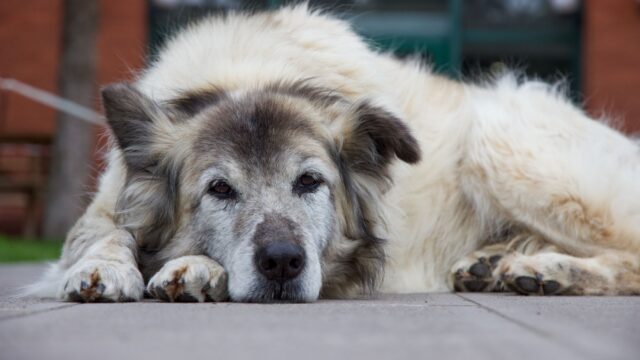
A sad or upset dog may withdraw, lose appetite or change sleep habits. Learn the body language clues and when a vet visit is the safest next step.
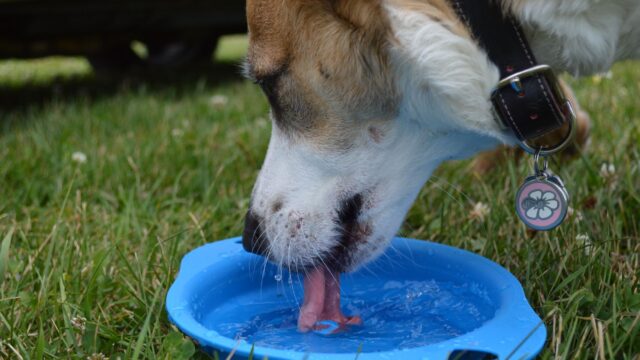
A dog drinking more than usual may be hot or active, but it can also point to diabetes, kidney disease or Cushing's. Learn normal amounts and when to call the vet.
Buy puppy insurance early, before health issues appear. Learn what plans typically cover, what they exclude, and how waiting periods and exclusions work.
Paw licking can come from allergies, pain, skin infection or boredom. Learn the common causes, what you can check at home and when to see your vet.
We use analytics cookies to see which articles are read. No ads cookies. Privacy policy