Dog Separation Anxiety Getting Worse With Age: Causes and Fixes
Separation anxiety that gets worse with age is often driven by pain, hearing or vision loss, or cognitive decline. See the causes, a vet checklist and fixes.
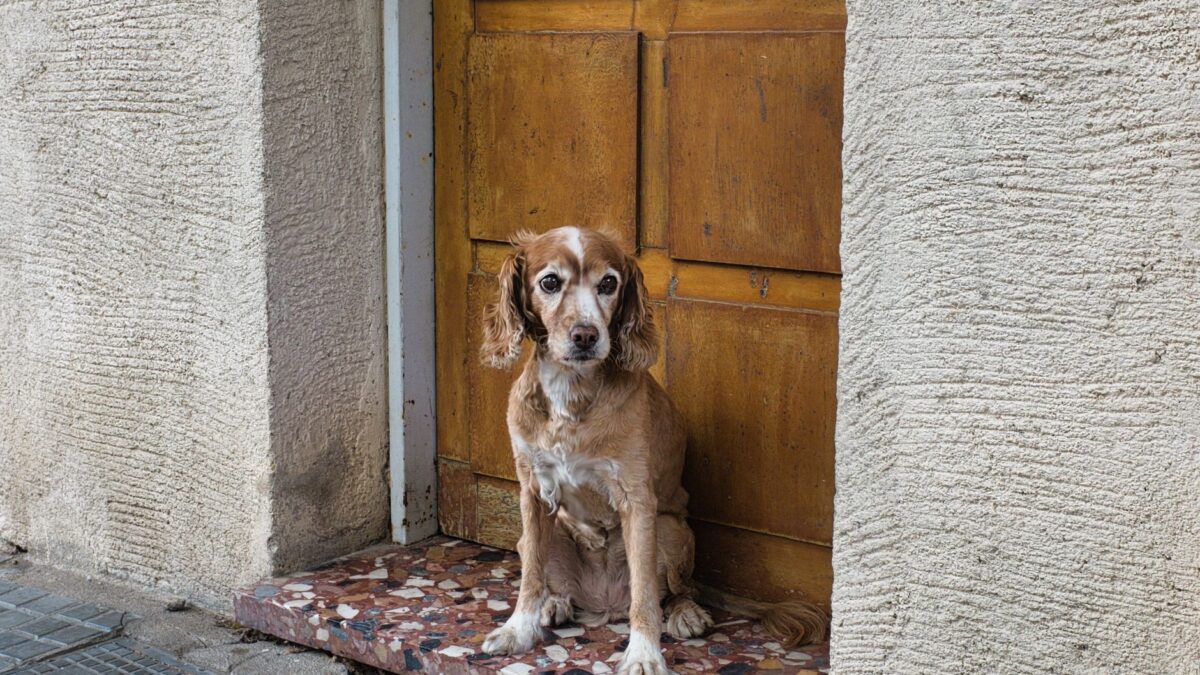
Dog separation anxiety often gets worse with age because of changes in the body and brain: pain from arthritis, failing hearing or eyesight, and canine cognitive dysfunction (an age-related decline similar to dementia) all make a dog feel less secure when left alone. Medical problems that cause thirst, incontinence or discomfort can also show up as new distress at departures. The first fix is a full veterinary exam, followed by a steady routine, gradual alone-time training and changes to the home that make an older dog feel safe.
Why does separation anxiety get worse in older dogs?
Older dogs become anxious when alone mostly because they cope less well with uncertainty than they did when they were younger. Several causes often overlap:
- Hearing or vision loss. A dog that cannot hear you leave or see you clearly may startle more easily and lose track of where you are.
- Pain. Arthritis, dental disease and other chronic pain make dogs restless and less able to settle, especially without their owner nearby.
- Canine cognitive dysfunction. Confusion, disrupted sleep and changes in memory make the house feel less predictable.
- Other medical problems. Thyroid disease, kidney disease, urinary problems and hormonal disorders can cause restlessness, accidents and frequent drinking that look like anxiety.
- Life changes. A new home, a new work schedule, a family member moving out or the death of another pet can trigger anxiety that the dog handled before.
- Stronger attachment. Many older dogs simply spend more time near their owners as they slow down, and the contrast when the owner leaves is sharper.
Most dogs are considered seniors from about 7 years old, and large and giant breeds reach that stage sooner. The dog age calculator converts your dog’s age into a rough human equivalent based on size.
What are the signs of separation anxiety in a senior dog?
Signs of separation anxiety in a senior dog appear when the owner prepares to leave or is gone, and they usually stop once the owner returns. Common ones include:
- Pacing, panting or whining as you pick up keys or put on shoes.
- Barking or howling after you leave.
- Chewing or scratching at doors and windows.
- Urinating or defecating indoors only when alone.
- Drooling, refusing food or treats while alone, or following you from room to room when you are home.
In an older dog, some of these signs can have a medical cause instead. Accidents indoors that also happen when you are home, or heavy drinking, point toward a health problem. If your dog is drinking more than usual, the guide to why a dog drinks so much water lists the causes vets look for.
When should you take your dog to the vet?
Take your dog to the vet as soon as anxiety appears or worsens in later life, because many causes can be treated. Ask for a full exam that checks:
- Joints, teeth and signs of pain.
- Hearing and eyesight.
- Blood and urine tests for thyroid, kidney, liver and hormonal problems.
- Signs of cognitive dysfunction, such as getting stuck in corners, staring at walls, or sleeping in the day and wandering at night.
Bring notes or a short video of the behavior. A pet camera that records your dog while you are out shows exactly what happens and when it starts. Call your vet promptly or go to an emergency vet if your dog injures itself trying to escape, stops eating, collapses or seems suddenly confused.
How can you help an older dog cope with being alone?
Older dogs cope better with being alone when their day is predictable and every departure feels routine. These steps help most dogs:
- Keep a fixed schedule for meals, walks, toilet breaks and bedtime.
- Give a calm walk or short sniffing session before you leave, matched to what your dog can manage comfortably.
- Offer a long-lasting food puzzle or a soft lick mat as you go out, if your vet agrees it suits your dog’s teeth and diet.
- Leave quietly. Long goodbyes and excited returns make departures feel bigger.
- Arrange a midday visit from a neighbor, dog walker or pet sitter if your dog needs a toilet break or company during long days.
Never punish a dog for damage, noise or accidents that happen while you are away. Punishment adds fear and makes separation anxiety worse.
Does gradual alone-time training still work for senior dogs?
Gradual alone-time training works at any age, though older dogs may need smaller steps and more time. The method is to practice absences short enough that your dog stays relaxed, then lengthen them slowly. Start with picking up your keys and sitting back down, then stepping outside for seconds, then minutes. The step-by-step plan is in the guide to separation anxiety signs and gradual departure training.
The ASPCA also describes counterconditioning, which pairs your departures with something your dog likes so that leaving predicts a good thing. If progress stalls, a veterinary behaviorist or a certified trainer who uses reward-based methods can build a plan for your dog.
Can changes at home make a senior dog less anxious?
Changes at home can make a senior dog less anxious by reducing confusion and discomfort. Useful adjustments include:
- A supportive orthopedic bed in a quiet spot where the dog already likes to rest.
- Night lights for dogs with poor eyesight, and furniture kept in the same place.
- Rugs or runners on slippery floors, and ramps or baby gates near stairs.
- Gentle background sound, such as a radio, to soften outside noises for dogs that startle easily.
- Touch or hand signals for dogs that have lost hearing, taught gradually.
Is medication an option for older dogs with separation anxiety?
Medication is an option for older dogs with separation anxiety, and only your veterinarian can decide whether it is safe. Vets may prescribe anti-anxiety medicine, pain relief for arthritis, or treatment and diets aimed at cognitive dysfunction, and they choose doses with your dog’s kidneys, liver and other medicines in mind. Medication works best alongside training and routine changes. Never give your dog human anxiety or sleep medicine. If your dog swallows any medicine by mistake, call your vet or the ASPCA Animal Poison Control Center.
Quick answers
Can a dog develop separation anxiety for the first time in old age?
Yes. Dogs that were fine alone for years can develop separation anxiety as seniors, often because of pain, sensory loss, cognitive decline or a change in the household.
Will getting a second dog fix separation anxiety in an older dog?
A second dog rarely fixes it, because most anxious dogs are attached to their owner, and another animal does not replace that person. A new young dog can also stress a senior. Try training and vet care first.
Is barking at night the same as separation anxiety?
Not always. Night barking or pacing in an older dog can be a sign of cognitive dysfunction or pain. The guide on finding the cause of barking helps narrow it down, and your vet should check new night waking.