Pet Insurance for Senior Dogs: Age Limits, Coverage and Costs
Many insurers still enroll senior dogs, but premiums rise with age and old conditions are excluded. See age limits, what is covered and how to keep costs down.
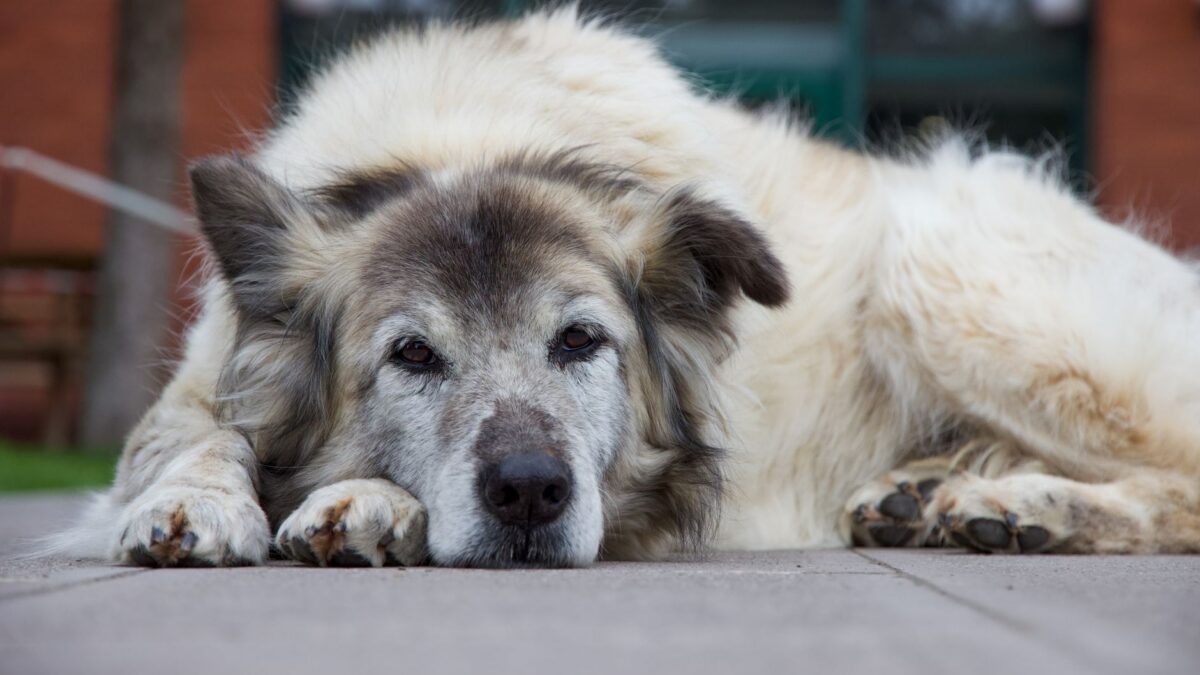
Pet insurance for senior dogs is still available from many insurers, and plenty of US plans have no upper age limit for enrolling. Some companies do cap new enrollment at a set age or offer older dogs only accident-and-illness or accident-only cover. Premiums for an older dog are higher than for a young one and usually keep rising each year, and any condition that showed signs before coverage started is excluded.
Whether a policy is worth it for an older dog depends on the dog’s current health, your budget for monthly premiums, and how you would pay for a large unexpected vet bill without insurance.
Is there an age limit for insuring a senior dog?
Age limits depend on the insurer, so a “too old” answer from one company does not mean every company will refuse. The rules fall into a few common patterns:
- No maximum enrollment age, with premiums priced by age.
- A maximum age for new policies, after which only existing customers can renew.
- Full accident-and-illness cover up to a certain age, then accident-only cover for dogs enrolled later.
- In the UK and some other markets, a co-payment that starts once the dog reaches a set age, so you pay a share of every claim on top of the excess.
Most insurers that accept older dogs ask for a recent veterinary exam and the dog’s medical records before the policy starts. Once a dog is enrolled, most companies renew the policy each year regardless of age, as long as premiums are paid, but check the renewal terms in the policy wording rather than the marketing page. If you are unsure how old your dog is in the terms insurers and vets use, the dog age calculator converts calendar years into an approximate life stage by size.
What does pet insurance cover for an older dog?
A standard accident-and-illness policy for a senior dog covers new injuries and new illnesses diagnosed after the waiting period ends. That usually includes:
- Exams for a new problem, diagnostic tests, X-rays and ultrasound.
- Surgery and hospital stays.
- Cancer treatment, if the cancer was not present or suspected before enrollment.
- Prescription medication for covered conditions.
- Emergency and specialist care.
Wellness care such as vaccines, routine blood work and dental cleanings is normally excluded unless you buy a separate wellness add-on. Read the dental terms closely: many plans cover a broken tooth from an accident but not periodontal disease, which is common in older dogs. The article on what pet insurance covers and excludes goes through these categories one by one.
How do pre-existing conditions affect a senior dog’s policy?
Pre-existing conditions are the biggest limit on insuring an older dog, because by age 8 or 10 many dogs already have something in their records. A pre-existing condition is any illness or injury that showed symptoms, was diagnosed or was noted by a vet before coverage began or during the waiting period. Common examples in older dogs include arthritis, heart murmurs, skin allergies, ear infections and lumps that were noted at an exam.
Insurers treat these in two ways. Some exclude them permanently. Others class certain conditions as curable and will cover them again if the dog has gone a set period without symptoms or treatment. Bilateral conditions add another catch: if one knee or hip had a problem before enrollment, many policies exclude the other side as well. More detail, including how to ask for a review of your dog’s records, is in the guide to pet insurance and pre-existing conditions.
How much more does insurance cost for a senior dog?
Premiums for a senior dog are higher because older dogs are more likely to need treatment, and most insurers raise the price at each renewal as the dog ages. Breed, size, where you live and the plan settings also change the price. Large and giant breeds are often more expensive to insure at the same age than small breeds.
The settings you choose move the monthly premium in predictable directions:
- A higher deductible lowers the premium but means you pay more before the insurer pays anything.
- A lower reimbursement rate (for example 70% instead of 90%) lowers the premium and raises your share of each bill.
- A lower annual payout limit lowers the premium but may not cover a long cancer treatment or a major surgery.
For typical price ranges by species and age, see average monthly pet insurance premiums. Ask every insurer for a written quote for your dog and for the expected price pattern at renewal, since the first-year price for a senior dog can rise quickly.
Is pet insurance worth it for a senior dog?
Insurance for a senior dog is most useful when the dog is currently healthy, with few problems in the records, and when a sudden bill of several thousand dollars would be hard to pay. It is less useful when the dog’s main health problems are already pre-existing, because the policy will not pay for them.
Before buying, compare the yearly premium plus the deductible with what you could set aside each month in a separate savings account for vet care. A savings fund pays for anything, including pre-existing conditions, but it starts empty. Insurance pays for large new problems from the end of the waiting period. Some owners combine the two: an accident-and-illness plan with a high deductible for emergencies, and savings for routine and ongoing care.
How do you choose a plan for an older dog?
- Get your dog’s full medical records from your veterinarian so you know what an insurer will see.
- Ask each insurer about its enrollment age limit, any age-based co-payment and its renewal terms for older pets.
- Ask how it handles curable and bilateral conditions, in writing.
- Compare the waiting periods for accidents, illnesses and orthopedic problems.
- Check the annual limit against the cost of the treatments older dogs most often need, such as surgery or cancer care.
- Choose deductible and reimbursement settings you could actually afford at claim time.
The guide on how to compare pet insurance plans explains each of these terms with examples. The American Veterinary Medical Association also publishes guidance for owners on paying for veterinary care.
Quick answers
Can I switch insurers when my dog is older?
You can, but the new insurer will treat anything in the dog’s records as pre-existing. Switching an older dog with a known condition often means losing coverage for that condition.
Does insurance cover end-of-life care for a senior dog?
Many accident-and-illness plans cover euthanasia and sometimes cremation when they relate to a covered condition, but terms vary. Check the policy wording and ask the insurer directly.
Will my premium keep going up every year?
With most insurers it will, because age is part of the price. Ask for the expected renewal pattern before you buy.
Should I wait until my dog is sick to buy insurance?
No. Any illness that shows signs before the policy starts is excluded, so buying after symptoms appear does not cover that problem. Talk to your veterinarian about your dog’s health first, then enroll while the records are as clear as possible.