Is My Dog Sad? Body Language, Behavior Changes and Vet Signs
A sad or upset dog may withdraw, lose appetite or change sleep habits. Learn the body language clues and when a vet visit is the safest next step.
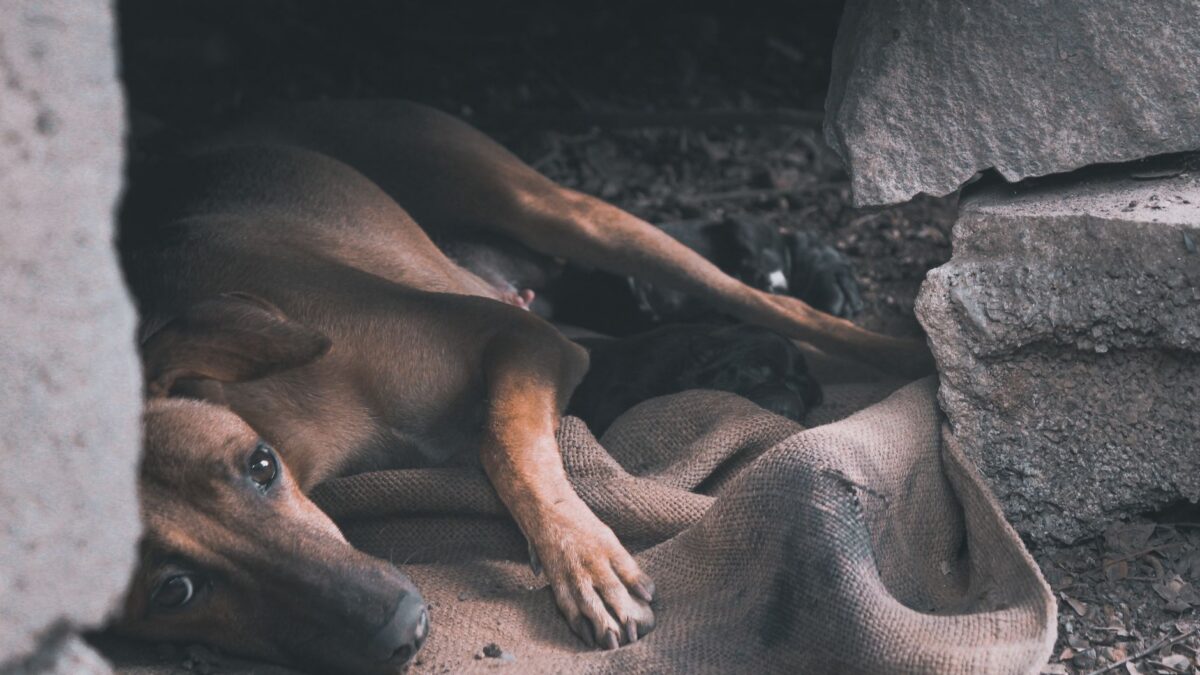
A sad or upset dog usually shows it through changes: eating less, sleeping more, losing interest in play or walks, hiding, or acting clingy. Dogs cannot tell you how they feel, and the same signs can also point to pain or illness, so a change that lasts more than a day or two is worth a call to your veterinarian. This guide explains the body language, the behavior changes and the point at which to get help.
Body language of a dog that feels low or stressed
Read the whole dog rather than a single signal. A tail wag alone does not always mean happy. Signs that a dog feels low, anxious or upset include:
- A low or tucked tail, or a tail held still.
- Ears pinned back or held flat against the head.
- Avoiding eye contact, or showing the whites of the eyes.
- A lowered head and slow, heavy movement.
- Yawning, lip licking or panting when it is not hot or after exercise.
- Turning the head away, or leaving the room when people approach.
- A stiff or hunched posture.
Cats have a different body language, but if you share your home with one, our guide to cat body language may help you tell the two apart.
Behavior changes to watch for
Because every dog is different, compare your dog with its own normal. Common changes linked to low mood or stress are:
- Appetite: leaving food, or suddenly wolfing it down.
- Sleep: sleeping much more, or restless nights.
- Energy: no interest in walks, toys or games they usually love.
- Hiding or withdrawing: staying under furniture or away from the family.
- Clinginess: following you everywhere or being unable to settle.
- Destructive habits: chewing, digging or scratching doors.
- Accidents indoors: in a house-trained dog.
- Excess licking or chewing paws, whining or unusual barking.
Common reasons a dog seems upset
Dogs are sensitive to routine. Possible triggers include a move, a new baby or pet, a family member leaving or a death, a change in work hours, boredom, too little exercise, or loud noises. Dogs left alone for long periods may show signs of distress; see separation anxiety signs and training for that specific problem. Do not assume it is only emotional, though. Pain, infections, dental trouble, digestive upset and other conditions often show up as withdrawal or low energy first.
How to help at home
- Keep a steady routine for meals, walks and sleep.
- Offer exercise and play, in short sessions that suit your dog.
- Give mental activity, such as sniff walks, food puzzles or simple training with treats.
- Provide a quiet, safe place to rest, and let your dog choose whether to come out.
- Stay calm and spend time together. Gentle attention is fine; forcing affection is not.
- Do not punish a dog that is stressed. It makes fear worse.
When to call the vet
Call your veterinarian if the change lasts more than a day or two, or sooner for a puppy, a senior dog or one with a health condition. Contact a vet promptly for any of these:
- Refusing food or water.
- Vomiting or diarrhea that continues.
- Limping, yelping or flinching when touched.
- Hiding together with heavy panting or restlessness.
- Sudden aggression that is out of character.
- Repeated accidents or changes in urination.
Go to an emergency vet if your dog collapses, has trouble breathing, has a swollen belly, seizures, or may have eaten something toxic. For poisoning, the ASPCA Animal Poison Control Center can advise, and our page on what to do if your dog eats chocolate shows what to tell the vet. For other warning signs, read signs your dog is sick. This article gives general information and cannot diagnose your dog.
Quick answers
Can dogs get depressed?
Dogs can show low mood after loss or big changes, with signs like withdrawal and appetite change. Because illness looks similar, a vet should rule out physical causes first.
Does my dog know when I am sad?
Many dogs notice changes in their owner’s voice, posture and routine and respond to them. How they interpret those changes is not fully known.
Is an older dog acting low just aging?
Not necessarily. Pain such as arthritis is common and treatable. See how to care for a senior dog and ask your vet about comfort.
Should I get another pet to cheer my dog up?
Not as a quick fix. A new animal can add stress. Talk with your vet or a trainer first.