Dog Zoomies: Why Dogs Run Wild After Baths and at Night
Dog zoomies are short bursts of frantic running that release pent-up energy or excitement. Learn the causes, bath and night triggers, and when to call a vet.
Dog zoomies are short bursts of frantic running that release pent-up energy or excitement. Learn the causes, bath and night triggers, and when to call a vet.
Separation anxiety that gets worse with age is often driven by pain, hearing or vision loss, or cognitive decline. See the causes, a vet checklist and fixes.
To stop a dog peeing in the house, rule out medical causes with a vet, then restart house training with a schedule, supervision, rewards and odor cleanup.
A sad or upset dog may withdraw, lose appetite or change sleep habits. Learn the body language clues and when a vet visit is the safest next step.
Dogs follow their owners out of instinct, habit and attachment. Learn the common reasons, when it is normal, and when clinginess may signal anxiety or a health problem.
Paw licking can come from allergies, pain, skin infection or boredom. Learn the common causes, what you can check at home and when to see your vet.
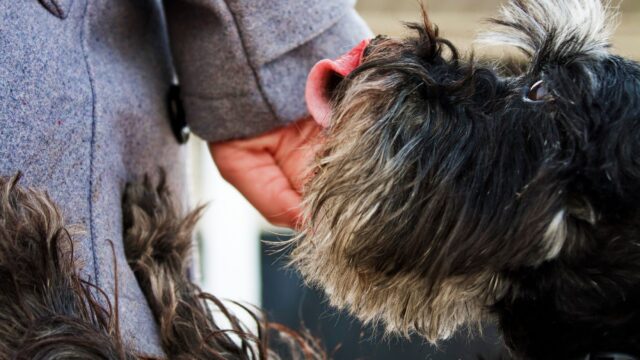
Dogs lick for affection, attention, taste, habit or stress. Learn what each cause looks like, how to cut it back, and when to call your vet.
Most dogs eat grass now and then and it is usually harmless. Learn the common reasons, the warning signs that need a vet and what you can do at home.
How to tell separation anxiety from boredom, how gradual departure training works, and why punishment and crates often make it worse.
Dogs bark for different reasons, and each one needs a different fix. Learn to spot the type, manage the triggers and teach a reliable "quiet."
We use analytics cookies to see which articles are read. No ads cookies. Privacy policy