Why Does My Dog Follow Me Everywhere, Even to the Bathroom?
Dogs follow their owners out of instinct, habit and attachment. Learn the common reasons, when it is normal, and when clinginess may signal anxiety or a health problem.
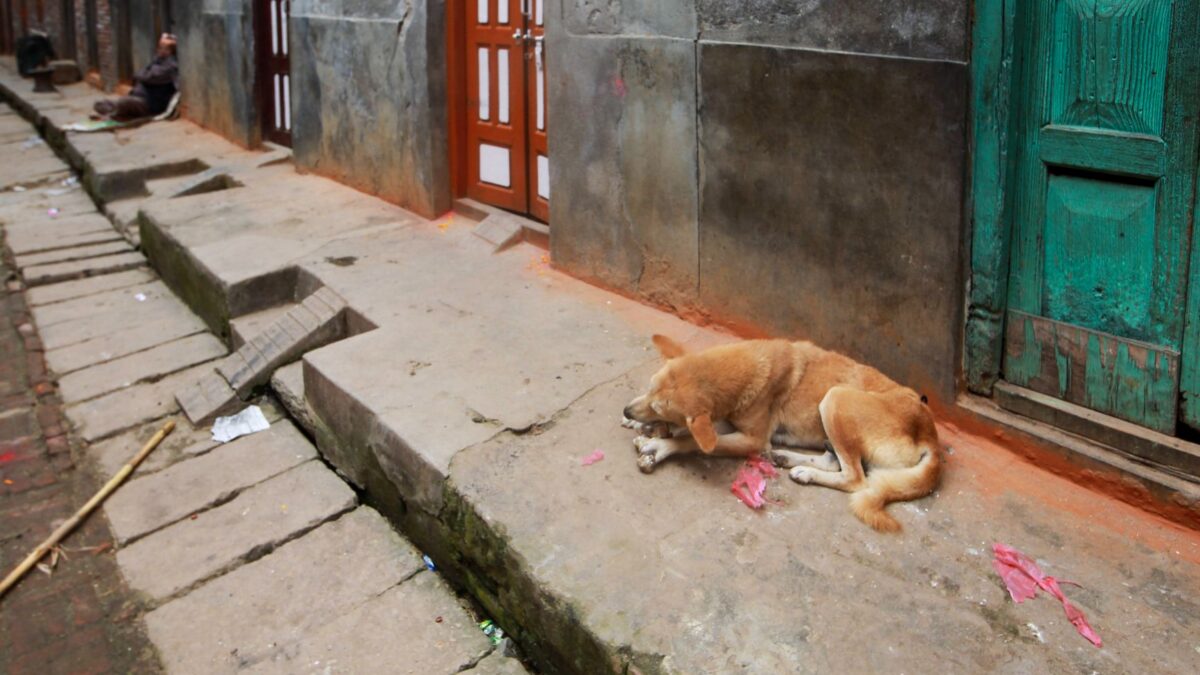
Most dogs that follow their owners from room to room, including into the bathroom, are acting on normal social instincts and habit. Dogs are social animals, and their person is a source of company, food, play and safety. In most cases it is harmless and even affectionate, but a sudden change, or signs of distress when you are out of sight, can point to anxiety or a health issue worth discussing with your veterinarian.
Common reasons dogs follow you
- Social bonding: dogs evolved to live in groups and are drawn to the people they are attached to.
- Learned reward: if following you has led to treats, attention, walks or play, the habit gets stronger.
- Curiosity and boredom: you are the most interesting thing in the house, especially if the dog has little else to do.
- Routine: dogs notice patterns. If you often go to the kitchen before feeding time, they follow to check.
- Breed tendencies: some breeds developed to work closely with people and are often called velcro dogs.
- Puppies and new dogs: young or newly adopted dogs often shadow their owners while they learn the household.
Why the bathroom?
A closed door is a barrier, and dogs dislike being shut out of where their people go. A bathroom is also a small, quiet space, so your dog may lie on the cool floor, enjoy the break from activity or simply keep you company. Some dogs also want to know you are safe and will return. It is not a sign that the dog is being rude, and it is usually fine to let it come in.
Normal clinginess or anxiety?
Following is typically calm: the dog trails you, settles nearby and relaxes. Separation-related distress looks different. Signs include:
- barking, howling or whining when you leave or even when you move to another room
- destroying doors, frames or furniture near exits
- toileting indoors despite being house trained
- drooling, panting or pacing as you prepare to go
- refusing food when alone
If you see these signs, speak to your veterinarian, who can rule out medical causes and may refer you to a qualified trainer or veterinary behaviorist. Do not punish a distressed dog; it can make anxiety worse.
When a sudden change is a health clue
If a dog that used to be independent suddenly becomes glued to you, consider pain, illness, or declining sight or hearing, which can make dogs more dependent. Older dogs may also show confusion. Moving house, a new baby or pet, or a change in your work schedule can also trigger it. Book a veterinary check if the change is sudden, lasts more than a few days or comes with changes in appetite, drinking, sleep or toileting. Excess thirst is one example, covered in why a dog drinks so much water.
How to build healthy independence
- Meet exercise and enrichment needs. A tired, mentally busy dog is less likely to shadow you. See how much exercise a dog needs.
- Give them a comfortable spot such as a bed or mat, and reward calm time there with praise or a treat.
- Practice short separations. Step out of sight for a few seconds, return calmly, and slowly build up the time.
- Avoid big greetings and farewells, which can make coming and going feel dramatic.
- Use a gate or a closed door only if the dog is comfortable with it; choosing a dog gate can help.
- Provide chew toys or puzzle feeders to make time apart pleasant.
If you enjoy the company, there is no need to change the habit. Make a change only if the dog is distressed, or if following causes problems such as tripping over the dog.
Quick answers
Is it bad to let my dog into the bathroom?
Not usually. Keep cleaning products, medicines and trash out of reach, as these can be dangerous. If your dog swallows something harmful, call your veterinarian, an emergency vet or the ASPCA Animal Poison Control Center right away.
Does following mean my dog loves me?
It generally reflects a strong bond, though it can also be habit or hope of a reward. Both can be true at once.
Will my dog grow out of it?
Puppies often settle as they mature and learn routines. Adult dogs may keep the habit for life, and that is fine if they are relaxed.