How to Choose a Dog Gate for Stairs, Doorways and Wide Openings
Pick the right dog or pet gate by opening size, mounting type, height and your dog's habits, with safety tips for stairs and a few safe DIY options.
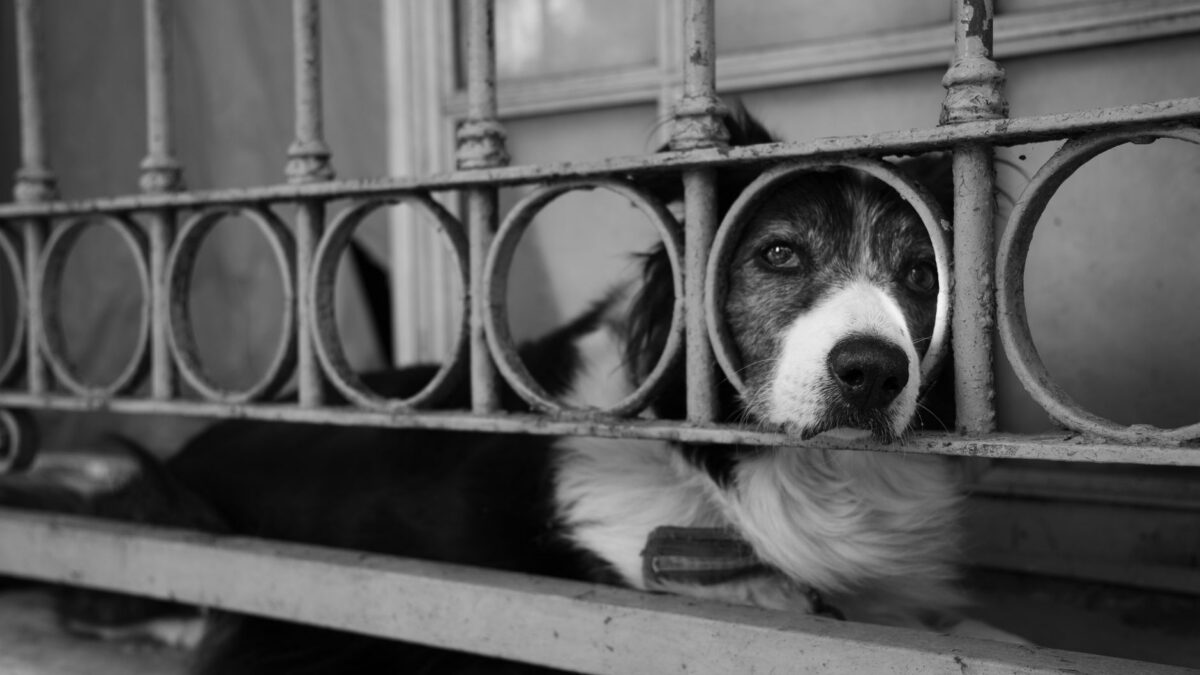
The right dog gate depends on where it goes, how big and athletic your dog is, and how much you need to use it. For the top of stairs, choose a sturdy gate that screws into the wall or banister. For ordinary doorways, a pressure-mounted gate often works. For wide openings, look for an extra-wide, freestanding or configurable gate. Measure first, and pick a height your dog cannot jump or climb.
Start by measuring and deciding what you need
Before you shop, measure the width of the opening in more than one place, because walls and doorframes are rarely perfectly straight. Note the height of the baseboards, any trim and whether the surfaces are wood, plaster, tile or carpet. Then ask a few practical questions:
- Is the gate for stairs, a door or a wide gap between rooms?
- Do people need to walk through it often?
- Is your dog a puppy, a jumper, a chewer or a large, strong dog?
- Do you also have cats or small children who need to pass, or be kept out?
Mounting types: pressure-mounted or hardware-mounted
Pressure-mounted gates hold in place with tension against the walls and need no drilling. They are easy to move and good for doorways between rooms, but a strong dog can push them loose. Many have a bottom bar that can trip people, so check the design.
Hardware-mounted gates are screwed into the doorframe, wall or post. They are more secure and are the safer choice at the top of stairs, because a gate that falls out can cause a serious fall. Safety guidance for baby gates says the same, so use screws at the top of stairs and never rely on pressure alone there.
Choosing for stairs
- Pick a hardware-mounted gate that swings away from the stairs, not out over them.
- Make sure it closes and latches firmly, and that you can open it with one hand.
- Avoid a raised bottom bar at the top of stairs, which can trip you when you carry something.
- Check the banister: some need a special adapter so the gate fits securely.
Block the bottom of the stairs too if a puppy, senior dog or dog with joint problems should not climb. Talk to your veterinarian if you are unsure whether stairs are suitable for a particular dog.
Choosing for doorways and wide openings
For standard doorways, a walk-through gate with a small door is convenient. For openings wider than most single gates, you have a few options:
- Extra-wide gates that come in one length or with extension panels.
- Configurable gates with several hinged panels that can bend around corners or form a pen.
- Freestanding gates that need no mounting but are easier for large dogs to push over.
- Retractable gates that roll out when needed and tuck away, useful for narrow spaces but less suited to strong or determined dogs.
Height, material and bar spacing
Choose a gate taller than your dog can jump. Small dogs may be fine with a gate about knee-high or higher, but athletic or large dogs often need a much taller one. Watch how your dog behaves: some will climb or scale a low gate.
Look at the gaps. A dog’s head or leg should not be able to get stuck between the bars, and small dogs and puppies can squeeze through wide spacing. Mesh gates suit small dogs but chewers can damage them. Metal and solid wood are tougher, while plastic is lighter and less durable. Avoid old-style accordion gates with diamond-shaped openings, since heads and limbs can become trapped.
Keep in mind the room beyond the gate as well. If a gate keeps your dog away from hazards, common plants toxic to cats and dogs are worth moving out of reach too.
Safe DIY options
A homemade gate must be at least as safe as a store-bought one. Reasonable options include:
- A hinged wooden frame with closely spaced vertical slats, smooth sanding and a secure latch.
- A sturdy panel or cut-down piece of plywood set in a door frame, with no gaps your dog’s head can enter.
- A pet or playpen panel set up as a temporary barrier.
Avoid chicken wire, loose netting, rope or stretched fabric, which can tangle, tear or cut. Do not leave sharp screws or splinters exposed, and do not use a DIY barrier at the top of stairs unless it is firmly fixed to the structure. If you are not comfortable building something sturdy, buy a gate.
Training your dog to respect the gate
Introduce the gate gradually with treats and praise. Do not leave a puppy alone for long periods behind a gate if they cry or try to climb it. A camera can help you check on them, and this guide on how to choose a pet camera explains what to look for. Give them a comfortable spot to settle, such as a good dog bed.
Check the gate regularly for loose screws, bent bars and worn latches. If your dog learns to jump, chew or push through it, move up to a taller or stronger model instead of leaving a weak barrier in place.
Quick answers
Can a dog gate be used for cats?
Many cats climb or jump over standard gates. Choose a taller one, or a design with a small cat door if you want your cat to pass.
Are pressure gates safe at the top of stairs?
No. Use a hardware-mounted gate that is screwed in, as pressure gates can come loose.
How do I stop my dog from jumping the gate?
Use a taller gate, and train calmly with rewards. If the behavior continues, ask your veterinarian or a qualified trainer for advice.