Winter Paw Care for Dogs: Road Salt, Ice Balls, Booties and Balm
Winter paw care for dogs means rinsing off road salt, trimming fur to stop ice balls, and using booties or balm. Signs of sore paws and when to call a vet.
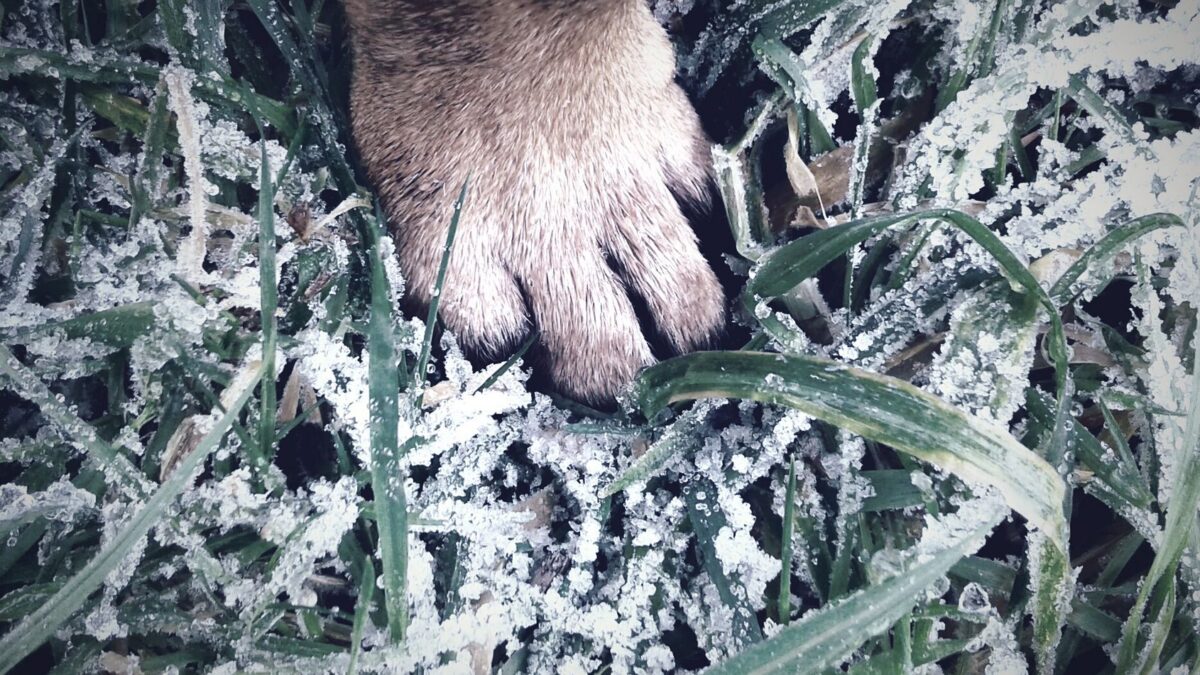
Winter paw care for dogs comes down to four habits: keep road salt and de-icers off the paws, stop ice balls from forming between the toes, use booties or a paw balm as a barrier, and wash and dry the feet after every walk. Salt and chemical de-icers can dry out and crack paw pads, and dogs that lick their feet can swallow them. Most winter paw problems are mild and clear up with good care, but bleeding, limping or a dog that will not stop licking needs a call to your veterinarian.
Why is road salt bad for dogs’ paws?
Road salt hurts dogs’ paws because it draws moisture out of the skin and stings any small cut or crack in the pads. Rock salt crystals are also sharp and can lodge between the toes. Many de-icing products contain other chemicals besides sodium chloride, and some of them irritate skin more than plain salt does.
The second risk is swallowing. A dog that licks salty paws after a walk takes in salt and whatever else was on the sidewalk. A small amount usually causes nothing worse than an upset stomach, but large amounts of salt are dangerous for dogs. Signs that need a vet include vomiting, diarrhea, heavy drinking, wobbliness or unusual tiredness. Salt from food counts too, which is one reason holiday ham is a poor treat for dogs.
Antifreeze is a separate and much more serious winter hazard. It tastes sweet and is toxic to dogs even in small amounts, so wipe up any spill in the garage or driveway at once. If you think your dog has licked antifreeze or eaten a de-icer, call your vet, an emergency clinic or the ASPCA Animal Poison Control Center right away.
How do you stop ice balls forming between a dog’s toes?
Ice balls form when snow sticks to the fur between the pads, melts a little from body heat and refreezes into hard lumps. They pull on the skin and make walking painful, and dogs with long or thick feet fur get them most.
- Trim the fur between the pads so it sits level with the pads. Use blunt-tipped scissors or ask a groomer if your dog wiggles.
- Rub a thin layer of paw balm onto the pads and between the toes before going out, so snow slides off.
- Check the feet during long walks in wet snow and pick out lumps before they grow.
- Melt stubborn ice balls at home with a lukewarm washcloth. Do not pull them out, because the fur is stuck to them and tearing it hurts.
Do dogs really need booties in winter?
Many dogs do fine without booties, but booties are the most complete protection against salt, chemicals, ice balls and sharp crusted snow. They help most for dogs that walk on heavily salted city sidewalks, dogs with sore or cracked pads, older dogs, and small or short-haired breeds that feel the cold.
A good fit matters more than the style. Measure your dog’s front paw while the dog stands, because the foot spreads under weight, and follow the maker’s size chart. A boot that is too tight cuts off circulation, and one that is too loose twists or falls off in the snow. Look for a flexible sole with grip and a strap that closes snugly above the paw.
Most dogs walk oddly in booties at first. Put them on indoors for a few minutes at a time, give treats, and lengthen the sessions over several days before the first real walk. Take booties off once you are back inside so the feet can dry, and check for rubbing on the dewclaws or the top of the foot.
What does paw balm do, and how do you use it?
Paw balm is a wax-based coating that forms a thin barrier on the pads and softens dry, rough skin. Used before a walk, it keeps snow and salt from sticking. Used after a walk on clean, dry paws, it helps moisturize cracked pads.
- Choose a product made for dogs. Dogs lick their paws, so avoid human lotions with fragrance, zinc oxide or other ingredients that are not meant to be eaten.
- Apply a thin layer and rub it in well, then distract your dog for a few minutes so it soaks in before being licked off.
- For overnight care on very dry pads, apply balm at bedtime, when the dog is resting.
Balm does not replace washing. If salt is already on the paws, rinse it off first, or the balm will hold it against the skin. Dry, flaky skin elsewhere on the body can have other causes, covered in our guide to dry skin in dogs and when to see a vet.
How should you clean your dog’s paws after a winter walk?
Clean your dog’s paws as soon as you get home, before the dog has a chance to lick them.
- Keep a towel and a shallow bowl of lukewarm water by the door. Hot water dries the skin further.
- Dip or wipe each paw, working the water between the toes where salt and grit collect.
- Dry each foot fully, including between the pads, since damp fur leads to chapping and sore skin.
- Look at the pads for cuts, cracks, redness or stuck grit.
- Apply balm if the pads look dry.
On your own property, a pet-safe ice melt reduces exposure, though “pet safe” labels still mean the product should not be eaten, and you cannot control what neighbors and cities spread. Washing after every walk covers both.
When should you call a vet about winter paw problems?
Call your veterinarian if a paw bleeds, a crack is deep or does not heal within a few days, the dog limps or keeps holding up a foot, the skin between the toes is red and swollen, or there is a bad smell or discharge. Constant licking or chewing at the feet is also worth a call, because it can keep a minor injury from healing. Frostbite is possible in severe cold: affected skin may look pale or gray, then turn red and painful as it warms. Warm the area gently with lukewarm, not hot, water and contact a vet. The American Veterinary Medical Association publishes general cold-weather safety advice for pet owners.
Quick answers
Can I use human moisturizer on my dog’s paws?
It is better to use a balm made for dogs. Dogs lick their feet, and many human creams contain fragrances or ingredients that can upset the stomach or are toxic if swallowed.
How long can a dog walk on snow and ice?
It depends on the dog’s size, coat, age and health, and on the wind and wetness as much as the temperature. Shorten walks in harsh weather and head home if your dog lifts its paws, shivers or slows down.
Are pet-safe ice melts completely harmless?
No ice melt is meant to be eaten. Pet-safe products are generally less irritating, but you should still rinse your dog’s paws and keep the bag out of reach.
Should I trim the fur on my dog’s feet in winter?
Trimming the fur between the pads level with the pads reduces ice balls and helps feet dry faster. Leave the fur on top of the foot alone if your dog needs it for warmth.