Can Dogs Eat Bananas? Safe Portions by Size and How to Serve Them
Yes, dogs can eat bananas in small amounts as an occasional treat. Portion sizes by dog size, serving ideas, the peel, banana bread and when to skip them.
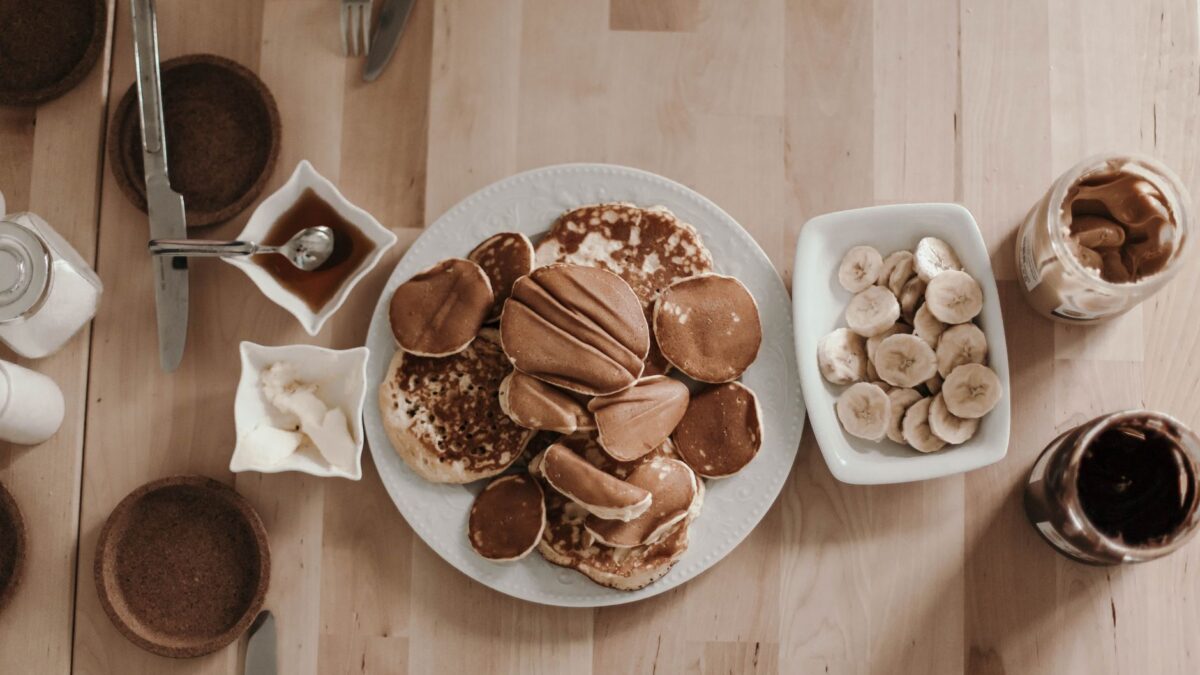
Dogs can eat bananas. Plain, ripe banana is not toxic to dogs and makes a reasonable occasional treat, but it is high in natural sugar, so it should stay a small extra: a few thin slices for a small dog, up to about half a banana for a large dog. Treats of any kind, banana included, should make up no more than about 10% of a dog’s daily calories.
Serve banana peeled, in bite-size pieces, with nothing added. The peel, banana bread and sweetened banana chips are the parts that cause trouble.
Are bananas good for dogs?
Bananas are a safe, low-fat fruit that supplies potassium, vitamin B6, vitamin C and some fiber. A complete and balanced commercial dog food already covers what a healthy dog needs, so banana adds variety more than nutrition. Its value is as a soft, low-fat reward that most dogs like, which makes it a handy alternative to fatty or salty table scraps.
A medium banana has roughly 100 to 110 calories and around 14 grams of sugar. For a small dog that is a large share of the day’s food, which is why portions matter more with bananas than with lower-sugar treats such as plain green beans or cucumber.
How much banana can a dog eat?
Size the portion to the dog. These amounts are for a healthy adult dog getting banana as a treat, not every day in large amounts:
- Toy and small dogs (under about 20 lb, 9 kg): 1 to 3 thin slices.
- Medium dogs (about 20 to 50 lb, 9 to 23 kg): a quarter of a banana or a few slices more.
- Large dogs (over about 50 lb, 23 kg): up to half a banana.
Two or three times a week is plenty for most dogs. If your dog is on a weight-loss plan, count the banana as part of the daily total; the site’s dog and cat calorie calculator estimates how many calories a day your dog needs, so you can see how much room there is for treats.
How should you serve banana to a dog?
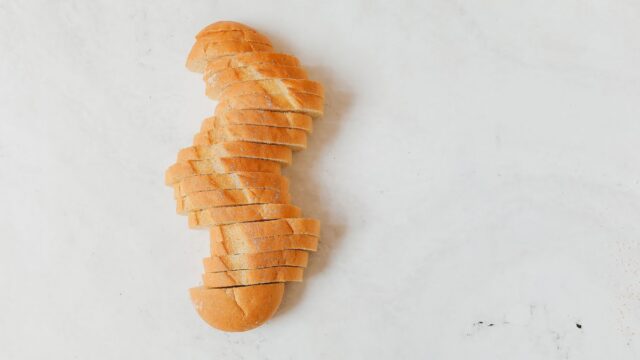
Peel it first and cut it into pieces small enough to swallow safely. Some easy ways to serve it:
- Fresh slices or small cubes as a training reward.
- Frozen slices on a warm day. Freeze them flat on a tray so they do not clump.
- Mashed and spread thinly inside a rubber food toy, then frozen for a longer-lasting chew.
- A spoonful of mashed banana mixed into the regular meal.
If you mix banana with peanut butter, read the label first. Some peanut butters contain xylitol (sometimes listed as birch sugar), a sweetener that is dangerous to dogs even in small amounts. Plain mashed banana can also be paired with plain canned pumpkin; see our guide to plain canned pumpkin for dogs for safe amounts of that one.
Can dogs eat banana peels?
Dogs should not eat banana peels. The peel is not poisonous, but it is tough and fibrous, hard to digest, and can cause vomiting or, in smaller dogs, a blockage in the gut. Peels may also carry pesticide residue. If your dog eats a whole peel, watch for repeated vomiting, a swollen or painful belly, loss of appetite or straining without passing stool, and call your veterinarian if any of these appear.
What about banana chips, banana bread and other banana foods?
Processed banana foods are a different matter from plain fruit:
- Banana chips are often fried, sweetened or coated in honey or sugar, and they are hard and dense. Skip them, or offer only plain, unsweetened dried banana in very small amounts.
- Banana bread and muffins contain sugar, butter and sometimes chocolate, nuts or raisins. Chocolate and raisins are toxic to dogs; see why grapes and raisins are dangerous for dogs. Some sugar-free recipes use xylitol.
- Banana-flavored yogurt, pudding and ice cream add dairy and sugar, and sugar-free versions may contain xylitol.
- Baby food made only from banana is fine in small amounts; check that it has no onion powder, garlic or added sweeteners.
If your dog eats something containing chocolate, raisins or xylitol, call your veterinarian, an emergency clinic or the ASPCA Animal Poison Control Center right away.
Which dogs should skip bananas?
Some dogs are better off without banana, or should have it only with a vet’s approval:
- Dogs with diabetes, because of the sugar content.
- Overweight dogs on a calorie-controlled diet.
- Dogs with kidney disease or heart conditions on a prescribed diet, since bananas are high in potassium.
- Dogs with a sensitive stomach or a history of pancreatitis, who do best with no changes to their food.
- Puppies, whose small stomachs fill quickly; a slice or two is the limit.
Too much banana at once can cause loose stool or constipation. Stop offering it and call your veterinarian if your dog has diarrhea, vomiting or itching after eating it, since allergies to fruit, while uncommon, do occur.
Quick answers
Can puppies eat bananas?
Yes, in very small amounts once they are eating solid food. One or two thin slices is enough, and their regular puppy food should provide almost all of their calories.
Are bananas good for a dog with an upset stomach?
A little plain banana is gentle and some dogs tolerate it well, but it is not a treatment. If vomiting or diarrhea lasts more than a day, or your dog seems weak or in pain, call your veterinarian.
Can dogs eat green or overripe bananas?
Slightly green or very ripe bananas are both safe if peeled. Green bananas are firmer and harder to digest, and overripe ones have more sugar, so keep portions small either way. Throw out bananas that are moldy or fermenting.
Can dogs eat frozen bananas?
Yes. Frozen banana slices make a cool treat, but cut them small for small dogs and supervise, since a hard frozen chunk can be a choking risk.