Can Dogs Eat Grapes or Raisins? Why a Few Can Harm and What to Do
No, dogs should never eat grapes or raisins, which can cause sudden kidney failure. See the signs, risky foods and what to do if your dog ate some.
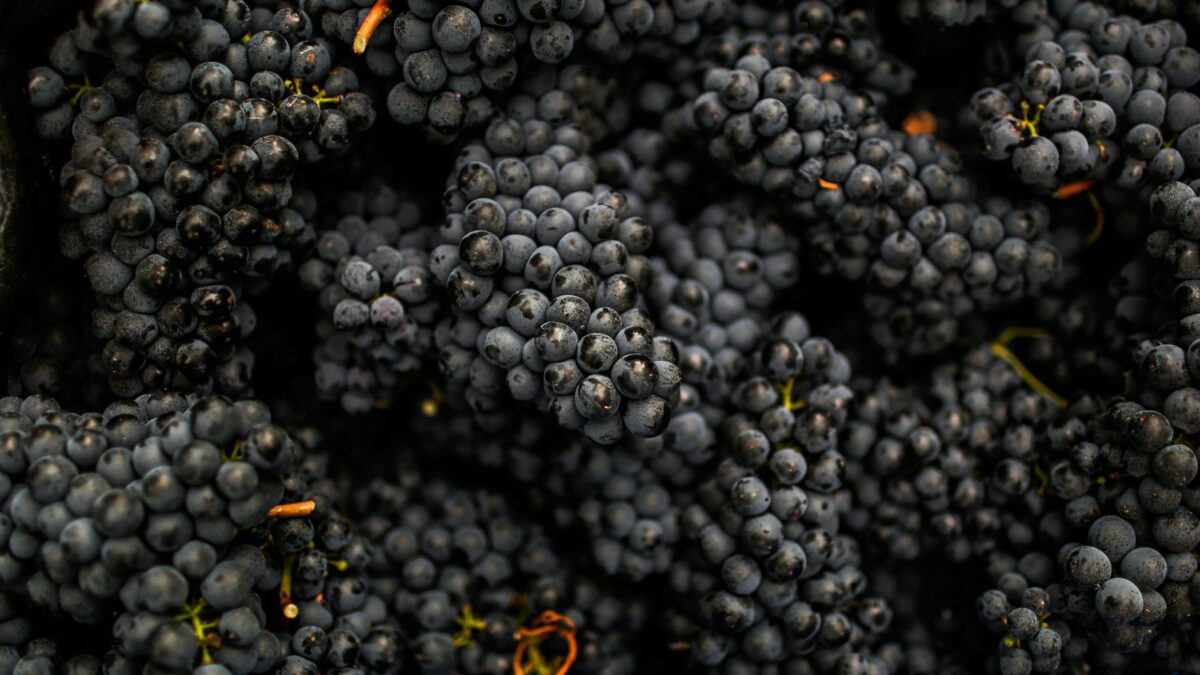
Dogs should not eat grapes or raisins in any amount. Grapes, raisins, currants and sultanas can cause sudden kidney failure in dogs, and there is no known safe dose: some dogs get seriously ill after only a few, while others eat more and seem fine. If your dog has eaten any, call your veterinarian, an emergency vet or the ASPCA Animal Poison Control Center right away, even if your dog looks normal.
Why are grapes and raisins toxic to dogs?
Grapes damage a dog’s kidneys, and for decades nobody could say exactly why. Veterinary toxicologists at the ASPCA have since pointed to tartaric acid, which grapes contain in high amounts, as a likely cause, since dogs appear especially sensitive to it. The amount of tartaric acid varies between grapes, batches and varieties, which may explain why one dog reacts badly and another does not.
Every type carries the same risk:
- Red, green and black grapes, seeded or seedless
- Organic and conventionally grown grapes
- Raisins, sultanas and dried currants (drying concentrates the fruit, so a handful of raisins equals far more grapes)
- Peeled grapes and grape skins
How many grapes or raisins are dangerous?
Vets treat any amount as potentially dangerous, because no dose has been proven safe. A dog’s size, age and health do not reliably predict who will be affected, and a dog that ate grapes once without trouble can still react the next time. Small dogs are at higher risk from a given number simply because each grape is a larger dose for their body weight. Do not wait to see whether a “small” amount causes problems: treatment works best before kidney damage starts.
What are the signs of grape or raisin poisoning in dogs?
Vomiting is usually the first sign and often appears within a few hours, sometimes with pieces of grape or raisin in it. Other signs can develop over the next one to three days as the kidneys are affected:
- Vomiting or diarrhea
- Lethargy, weakness or hiding
- Loss of appetite
- Belly pain (hunching, reluctance to be touched)
- Drinking and urinating more at first, then producing little or no urine
- Bad breath or mouth ulcers in later stages
Reduced or absent urine is a serious sign of kidney failure and needs emergency care. Some dogs show no signs for the first day, which is why vets recommend acting on the exposure itself rather than on symptoms.
What should I do right away if my dog ate grapes or raisins?
Call a vet or poison hotline immediately. Quick action gives your dog the best chance of avoiding kidney damage.
- Move your dog away from any remaining grapes or raisins and check how many are missing.
- Note your dog’s weight, roughly how much was eaten and when, and whether the food contained anything else (chocolate, xylitol or nuts in baked goods, for example).
- Call your regular veterinarian, the nearest emergency vet, or the ASPCA Animal Poison Control Center. A consultation fee may apply for poison hotlines.
- Do not make your dog vomit at home unless a vet tells you to. Home remedies such as salt can be harmful, and vomiting is not safe for every dog.
- Follow the vet’s instructions and bring the packaging if the grapes or raisins were inside a product.
How do vets treat grape or raisin poisoning?
Treatment depends on how long ago your dog ate the fruit and whether signs have started. If the dog arrives soon after eating, the vet will usually induce vomiting to remove as much as possible, then may give activated charcoal to reduce absorption. Many dogs then receive intravenous fluids for 48 hours or more to support the kidneys, along with blood tests to check kidney values over several days. Dogs that already have kidney damage may need longer hospital care. The outlook is generally good when treatment starts early and worse once urine output drops.
Which foods contain hidden grapes or raisins?
Many dogs eat raisins by accident inside other foods. Watch for these common sources:
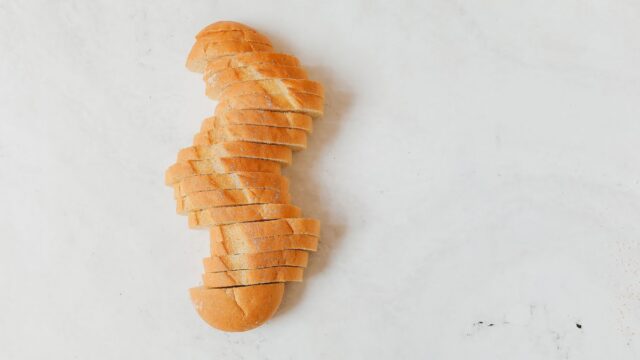
- Raisin bread, cinnamon rolls, bagels and muffins
- Trail mix, granola, cereal and cereal bars
- Oatmeal raisin cookies and fruit cake
- Hot cross buns, mince pies and Christmas pudding
- Holiday stuffing and salads with dried fruit
- Grape juice, grape jelly and some fruit snacks
Holiday dishes are a frequent problem because several risky ingredients appear together. Stuffing made with onions, garlic and raisins is one example, and baked goods such as bread and dinner rolls can hide raisins as well. Dried fruit mixes deserve a close look too, since dried cranberries are often sold blended with raisins.
How can I keep grapes and raisins away from my dog?
Store grapes and raisin products in closed cupboards or the fridge, not on low tables or counters a dog can reach. Ask guests and children not to share snacks, and pick up dropped grapes straight away. Keep lunch bags, handbags and backpacks off the floor, since dogs often find raisin snacks there. If your dog likes fruit, offer safe options in small amounts instead, such as plain apple slices without seeds or core, blueberries, or plain canned pumpkin that is not pie filling.
Quick answers
Can one grape kill a dog?
One grape is unlikely to harm most large dogs, but vets cannot predict which dogs are sensitive, and kidney failure has been reported after small amounts. Treat one grape as a reason to call a vet.
Are grape seeds or seedless grapes safer?
No. The toxic effect comes from the fruit flesh, so seedless grapes are just as risky as seeded ones.
Can cats eat grapes or raisins?
Cats rarely eat grapes, and there is less evidence about them than about dogs. The ASPCA advises keeping grapes and raisins away from cats as well, and calling a vet if a cat eats them.
Is grape juice or wine dangerous for dogs?
Grape juice comes from the same fruit and should be avoided. Wine also contains alcohol, which is toxic to dogs on its own, so any amount needs a call to a vet.