Best Litter for a Cat After Surgery: Paper Pellets and Box Setup
Paper pellet litter is the usual choice after cat surgery because it does not stick to incisions. Plus box setup and warning signs to watch for.
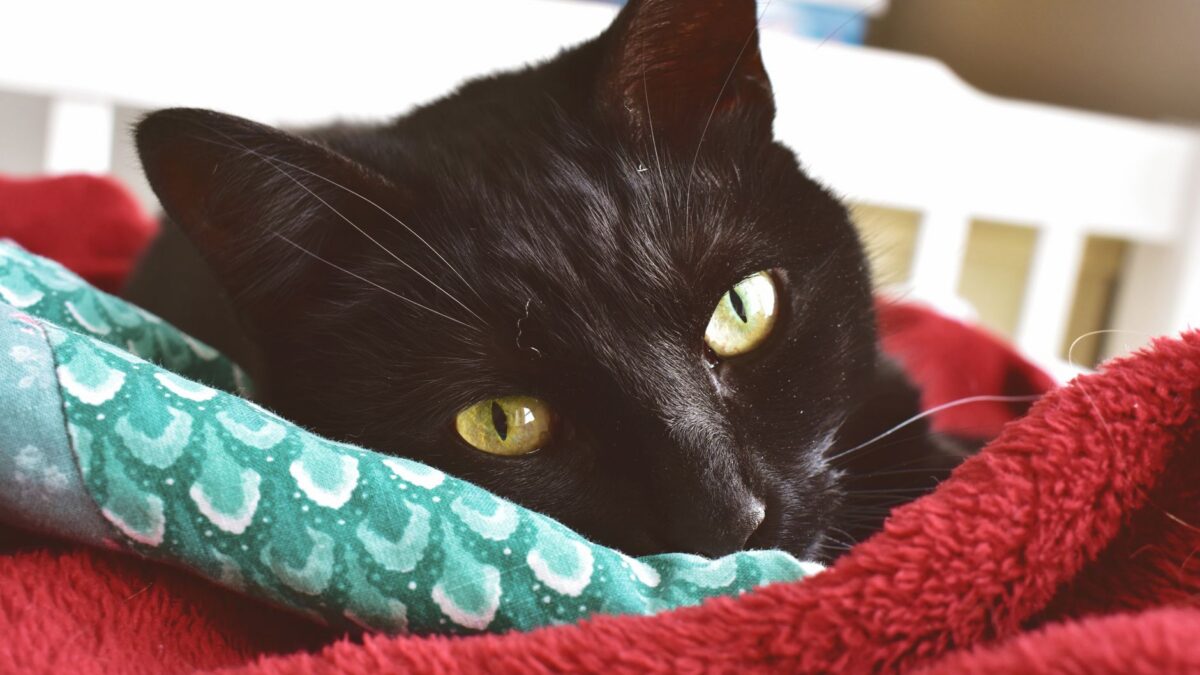
The best litter for a cat after surgery is a dust-free, unscented litter that does not clump or stick to wounds, and pelleted paper litter is the most common choice. Veterinarians usually advise switching away from clumping clay and fine-grained litter for the recovery period, which is often about 10 to 14 days after a spay, neuter or other procedure, or until your vet says the incision has healed. Place the box close to the cat’s resting area, keep it shallow and easy to step into, and scoop it often so you can track urine and stool.
Why does regular litter cause problems after surgery?
Fine, clumping litter can stick to a fresh incision, sutures or surgical glue, and dust can get into the wound. Clumping clay forms small wet lumps that may cling to shaved skin and stitches. Scented litters can irritate sensitive tissue and may put a groggy cat off using the box at all.
After a declaw or any surgery on the paws, small granules can also lodge in wounds on the feet. For that reason vets often send cats home from paw surgery with instructions to use paper litter or shredded paper only.
Which litters work best during recovery?
- Pelleted paper litter: large, soft pellets made from recycled paper. It is low in dust, does not cling to wounds and is the option most vets suggest.
- Shredded plain newspaper or unprinted paper: a short-term fallback if you have nothing else. Change it often, since it does not absorb odor well.
- Large-pellet wood or plant-based litter: acceptable for some cats if it is unscented and low in dust, but check with your vet first.
- Plain paper towels lining the box: sometimes advised for the first day or two after paw surgery.
Avoid clumping clay, silica crystals and anything with added fragrance until your vet clears your cat. For a wider comparison of what each material does, see our guide to clay, clumping, silica and plant-based litters.
How should you set up the litter box after surgery?
- Pick a small, quiet recovery room, such as a bathroom or spare bedroom, so your cat cannot jump or climb while healing.
- Put the box a short walk from the bed, water and food, but not right next to the food bowl.
- Use a box with a low entry. A cat with stitches in the belly, a sore leg or a cone may struggle with a high rim. A shallow storage tray or a box with one side cut down works well.
- Choose a box large enough for the cat to turn around while wearing a cone. Covered boxes and top-entry boxes are usually a poor fit during recovery.
- Fill the box with about 1 to 2 inches (2.5 to 5 cm) of paper litter so the cat can dig without sinking in.
- Put a washable mat or towel under the box to catch scattered pellets.
If you have more than one cat, give the recovering cat its own box in the recovery room. Our article on how many litter boxes each cat needs covers placement for the rest of the house. Automatic and self-cleaning boxes are best switched off or replaced for now, since many need clumping litter to work and the motion can startle a drowsy cat.
How do you get a cat to use the new litter?
Most cats accept paper litter for a short time, but some refuse a texture they have never felt. Sprinkling a small handful of the cat’s usual litter on top of the paper pellets can help with the smell, as long as none of it touches the incision. Some owners start the change a few days before a planned surgery so the cat is used to it by the time it comes home.
If your cat still avoids the box, try a different paper product or a lower tray before going back to clumping litter, and ask your vet about it. Accidents during recovery are common and are often caused by pain, stiffness or the cone. Our guide on why cats pee outside the litter box explains other causes worth ruling out.
What should you watch for in the litter box?
Paper litter makes it easier to see how much your cat is urinating, because wet pellets darken or break down. Check the box at least twice a day and call your veterinarian if you notice any of these signs:
- No urine for 24 hours, or a cat straining in the box with little or no urine coming out. In male cats, straining without producing urine can mean a urinary blockage, which is an emergency.
- No stool for more than two to three days. Anesthesia, pain medication and less movement can slow the gut after surgery.
- Blood in the urine or stool, or diarrhea that lasts more than a day.
- Crying in the box, or repeated trips with nothing produced.
Look at the incision daily as well. Redness that spreads, swelling, discharge, a bad smell or an opening wound all need a call to your vet. If the clinic is closed, contact an emergency veterinary hospital. The Cornell Feline Health Center and the American Veterinary Medical Association both publish owner information on cat care and surgery.
When can you switch back to normal litter?
Switch back once your vet confirms the incision has closed, often at the suture check or about two weeks after a routine spay or neuter. Paw surgery may need a longer period. Mix the old litter back in over several days, increasing the share each time you change the box, so your cat adjusts without accidents. Clean the recovery box well before you return it to normal use, and if the surgery followed an infection, our guide to disinfecting your home after a sick cat explains which cleaners are safe.
Quick answers
Can I use clumping litter after my cat is spayed?
Most vets advise against it until the incision has healed, because clumping granules and dust can stick to the wound. Use paper pellets for the recovery period unless your vet says otherwise.
Does a cat need a litter box with a cone on?
Yes. A cat wearing a cone needs an open, low-sided box wide enough to turn around in. Remove any lid or hood until the cone comes off.
Is it normal for a cat not to poop after surgery?
A delay of a day or two is common after anesthesia and pain medication. Call your vet if your cat has not passed stool in more than two to three days or seems to strain.
How often should I clean the box during recovery?
Scoop solids and wet litter at least twice a day and change paper litter fully every few days, or sooner if it smells. A clean box lowers the risk of dirt reaching the incision.