How to Clean Up After a Dog With Kennel Cough: Bowls, Bedding, Floors
Clean up after kennel cough by washing bowls daily, laundering bedding hot and disinfecting hard surfaces. Includes bleach dilution, toys, cars and timing.
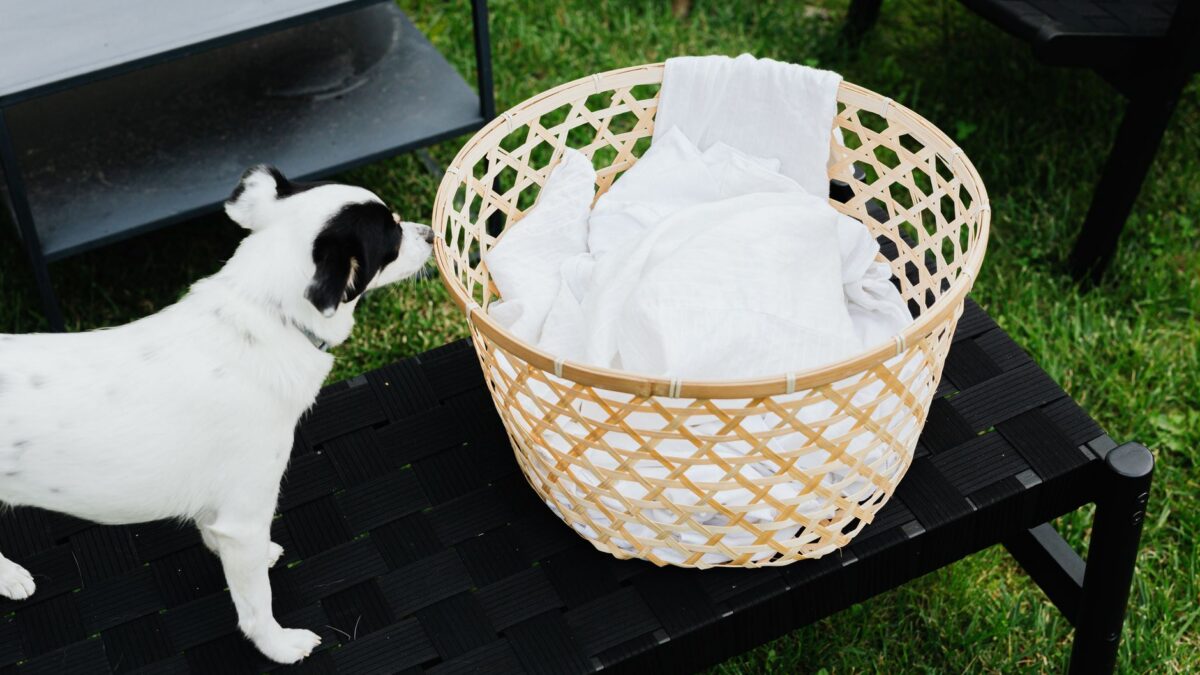
To clean up after a dog with kennel cough, wash food and water bowls in hot soapy water every day, launder bedding and soft toys on the hottest setting the fabric allows, and disinfect hard surfaces the dog touches with a disinfectant labeled for use against bacteria and viruses, left wet for the contact time on the label. The germs behind kennel cough spread mainly through the air and on shared objects, so cleaning works best alongside keeping the sick dog away from other dogs. Most of the common kennel cough germs are killed by ordinary household disinfectants used correctly.
What causes kennel cough and how does it spread?
Kennel cough (canine infectious respiratory disease) is caused by several germs, often more than one at a time. The best known are the bacterium Bordetella bronchiseptica and canine parainfluenza virus. Sick dogs spread them in droplets when they cough, sneeze or bark, and the germs settle on bowls, toys, bedding, crates, floors, leashes and people’s hands.
That is why outbreaks are common wherever dogs share air and objects: boarding kennels, daycare, shelters, grooming salons, group classes and dog shows. If your dog was recently boarded, the comparison of boarding, pet sitters and dog walkers covers options that limit contact with other dogs.
How do you clean food and water bowls?
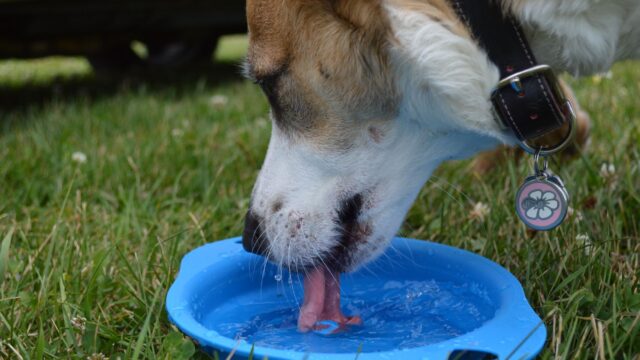
Wash bowls at least once a day while the dog is coughing, and refill water with fresh water rather than topping it up.
- Empty the bowl and scrub it with hot water and dish soap to remove saliva and food film.
- Rinse well.
- Run stainless steel or ceramic bowls through a dishwasher on a hot cycle, or soak them in a pet-safe disinfectant for the label’s contact time.
- Rinse again with clean water if the product label says to, then let the bowl air dry.
Give the sick dog its own bowls. Shared water bowls are one of the easiest ways for kennel cough to pass between dogs in the same home. Scratched plastic bowls are hard to clean fully, so stainless steel or ceramic is the better choice during an illness.
How should you wash bedding, blankets and soft toys?
Wash everything soft that the dog lies on or carries around: beds, blankets, crate pads, towels and plush toys.
- Use the hottest water the care label allows and a regular detergent.
- Dry on high heat until fully dry; damp bedding stays dirty longer.
- Wash these items every few days while the dog is coughing, and once more after the cough has stopped.
- Shake bedding outdoors, not inside the house, before putting it in the machine.
Plush toys that cannot be washed hot are easier to throw away than to disinfect. Rubber and hard plastic toys can go in the dishwasher’s top rack or be cleaned the same way as bowls.
What disinfectant works on floors, crates and other surfaces?
Use a household disinfectant whose label lists bacteria and viruses and says it is safe for the surface. The U.S. Environmental Protection Agency registers disinfectants, and the label tells you how long the surface must stay wet to kill germs (the contact time, often several minutes).
Diluted household bleach is a common choice for hard, non-porous surfaces such as crates, tile and sealed floors. A dilution often used in kennels is about 1/2 cup of regular bleach per gallon of water (roughly 120 ml per 3.8 liters). Follow these steps:
- Clean the surface first with soap and water. Dirt, hair and saliva block disinfectants.
- Apply the disinfectant and leave it wet for the full label contact time (for bleach solutions, about 10 minutes is a common guideline).
- Rinse surfaces the dog licks or lies on, then let them dry before the dog returns.
- Mix fresh bleach solution daily, since it loses strength once diluted.
Never mix bleach with ammonia, vinegar or other cleaning products, because the combinations release toxic gases. Keep the dog out of the room while you clean and ventilate it well. Some products, including phenol-based cleaners and many essential oils, are hazardous to pets; if you are unsure about a product, ask your veterinarian.
What about leashes, collars, the car and your hands?
Leashes and fabric collars can be washed in hot soapy water; wipe leather and plastic items with a disinfectant safe for the material. If the dog rode in the car, vacuum and wash any seat cover or blanket, and wipe hard surfaces near where it sat.
Wash your hands after handling the sick dog, its bowls or its bedding, and before touching another dog. If you care for other dogs, consider changing your outer layer of clothing between them.
How long should you keep the dog apart and keep cleaning?
Keep the dog away from other dogs while it coughs and for a period after the cough stops, because dogs can shed germs after they seem better. Many veterinarians suggest about 1 to 2 weeks after symptoms end; your veterinarian will tell you what fits your dog. During that time, skip daycare, dog parks, grooming visits and group activities such as group training classes.
Continue the daily bowl washing and regular laundry until isolation ends, then do one last full round of cleaning of the dog’s area.
When should you call the vet?
Call your veterinarian if the cough lasts more than a week or so, or if your dog has a fever, a thick nasal discharge, labored breathing, lethargy or stops eating. These can be signs of pneumonia, which needs treatment. Puppies, older dogs, flat-faced breeds and dogs with heart or lung disease are at higher risk. Ask your vet about the Bordetella and parainfluenza vaccines for your other dogs. The American Veterinary Medical Association has general information for pet owners on respiratory disease in dogs.
Quick answers
Can people catch kennel cough from a dog?
Healthy people rarely do. Bordetella bronchiseptica has very rarely caused illness in people with weakened immune systems, so anyone in that group should wash hands carefully and talk to their doctor.
Can cats catch kennel cough?
Cats can carry Bordetella bronchiseptica and occasionally get sick from it, so keep separate bowls and bedding for cats and the sick dog.
Do I need to steam clean carpets?
Regular vacuuming is usually enough for carpets. Steam cleaning or a carpet-safe disinfectant can help if the dog spent a lot of time on one rug or coughed up mucus on it.
Is cold weather a problem for a coughing dog?
Cold, dry air can trigger coughing fits. Keep walks short, and see how cold is too cold to walk a dog for walk times by temperature.