How Cold Is Too Cold to Walk a Dog? Walk Times by Temperature and Size
Below 20°F (-7°C) most dogs need short walks, and small or thin-coated dogs hit that limit sooner. Walk times by temperature, size and warning signs.
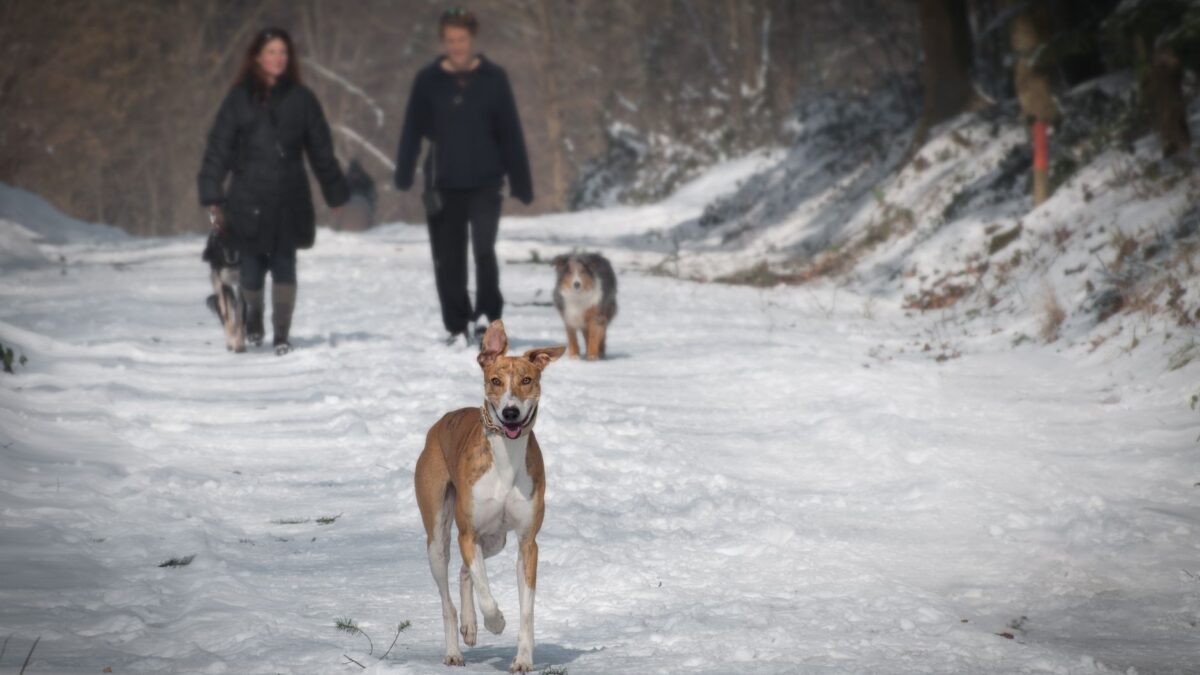
For most healthy dogs, walks are comfortable above about 45°F (7°C), need more care between 20°F and 45°F (-7°C to 7°C), and should be kept short below 20°F (-7°C). Below about 10°F (-12°C), or when the wind chill reaches that level, nearly all dogs should go out only for brief bathroom breaks. Small, short-haired, very young, old and sick dogs reach their limit at warmer temperatures than large dogs with thick double coats.
These figures are general guidelines, and every dog is different. Wind, wet fur, snow depth and how long your dog stands still all make cold feel colder, so watch your dog as well as the thermometer.
How long can you walk a dog in the cold?
Walk length should shrink as the temperature drops, and it should shrink faster for small and thin-coated dogs. A rough guide for healthy adult dogs:
- Above 45°F (7°C): normal walks for nearly all dogs.
- 32°F to 45°F (0°C to 7°C): normal walks for medium and large dogs; small or short-haired dogs usually do better with a coat, and 20 to 30 minutes is a sensible cap for them.
- 20°F to 32°F (-7°C to 0°C): about 10 to 20 minutes for small or thin-coated dogs, with a coat; 20 to 30 minutes for medium dogs; large, thick-coated breeds can often go longer.
- 10°F to 20°F (-12°C to -7°C): about 5 to 10 minutes for small dogs, 10 to 15 minutes for medium dogs, and up to 15 to 20 minutes for large cold-weather breeds.
- Below 10°F (-12°C): bathroom breaks of a few minutes for most dogs, and indoor exercise for the rest of the day.
Breeds bred for cold, such as Siberian Huskies, Alaskan Malamutes and Bernese Mountain Dogs, tolerate low temperatures far better than Chihuahuas, Greyhounds or French Bulldogs. Even cold-weather breeds can get frostbite on ears, paw pads and tails. For a fuller look at limits by coat and age, see our guide on how cold is too cold for dogs.
Which dogs need shorter winter walks?
Dogs with less body mass, less fur or less ability to regulate body heat lose warmth faster. Cut walks shorter for:
- Toy and small breeds, which have more skin surface for their weight and sit closer to cold ground.
- Short-haired and thin-skinned breeds such as Greyhounds, Whippets, Boxers and Dobermans.
- Puppies, which cannot hold body heat as well as adults.
- Senior dogs, especially those with arthritis, which cold and icy footing make worse.
- Dogs with heart disease, kidney disease, diabetes, hormonal conditions such as hypothyroidism, or recent surgery. Ask your veterinarian how much cold exposure is safe for your dog.
- Recently clipped or groomed dogs that have lost their usual coat.
What are the signs a dog is too cold on a walk?
Shivering is the first and most common sign that a dog is too cold, and it means it is time to head home. Other signs include:
- Lifting paws, limping or refusing to walk on.
- Whining, slowing down or trying to turn back.
- A hunched posture with the tail tucked.
- Looking for shelter or trying to burrow.
Weakness, slow breathing, lethargy, stiff muscles or pale or gray gums can mean hypothermia. Frostbitten skin may look pale, gray or bluish and feel cold and hard, then turn red and painful as it warms. Bring the dog indoors, wrap it in dry, warm (not hot) towels and call your veterinarian or an emergency vet right away. Do not rub frostbitten areas or use a heating pad or hair dryer on them.
How do you keep a dog safe on cold walks?
Gear, timing and paw care let most dogs keep walking through winter. Practical steps:
- Walk during the warmest part of the day, usually late morning to mid afternoon, and avoid windy, wet days for long outings.
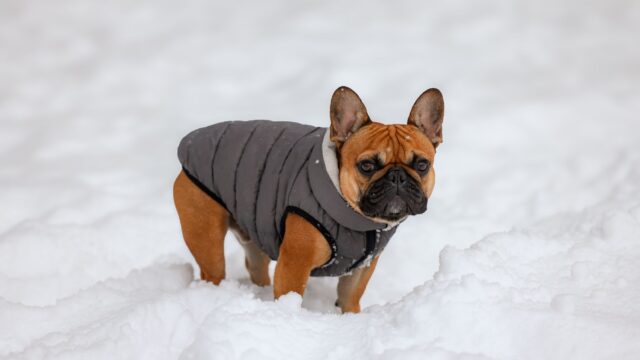
- Put a fitted coat or sweater on small, short-haired, young or old dogs. It should cover the back and chest without rubbing under the front legs.
- Protect paws with booties, or apply a paw balm before the walk on dogs that will not wear boots.
- Trim the fur between paw pads so ice balls do not form.
- Wipe paws, legs and belly with a warm, damp cloth after every walk to remove snow, ice and de-icing salt, which can irritate pads and is harmful if licked off.
- Keep dogs away from puddles near cars: antifreeze is sweet-tasting and very toxic. Call the ASPCA Animal Poison Control Center or your vet at once if you think your dog has licked any.
- Keep your dog on leash near frozen ponds and rivers, since ice may not hold its weight.
- Use a reflective leash or a light-up collar on dark winter afternoons and evenings.
The American Veterinary Medical Association also publishes cold weather safety advice for pet owners.
How do you exercise a dog when it is too cold outside?
Several short outings plus indoor play can replace one long walk on very cold days. Good options include:
- Fetch or tug in a hallway or open room.
- Hide-and-seek with treats or toys, which works the nose and the brain.
- Food puzzles, snuffle mats and lick mats at mealtime.
- Short training sessions for new tricks or basic cues.
- Stair work for fit adult dogs without joint problems.
Our guide on how much exercise a dog needs lists daily targets by age, size and breed type, which help when you split exercise into indoor and outdoor parts. After a cold walk, a warm spot to rest away from drafts helps your dog recover; a raised or padded bed keeps it off cold floors, as covered in choosing a dog bed.
Quick answers
Is 30 degrees too cold to walk a dog?
At 30°F (about -1°C), most medium and large dogs can walk for 20 to 30 minutes or more. Small or short-haired dogs should wear a coat and keep the walk to about 10 to 20 minutes.
Is 20 degrees too cold to walk a dog?
At 20°F (-7°C), keep walks short: about 10 minutes for small dogs and 15 to 20 minutes for medium dogs. Large cold-weather breeds can usually manage longer if they stay dry and the wind is light.
Do dogs need boots in winter?
Boots are not required for every dog, but they help on salted sidewalks, ice and very cold days. Paw balm and a warm wipe-down after the walk are alternatives for dogs that refuse boots.
Does wind chill matter for dogs?
Wind chill matters because wind strips heat from fur and skin faster. Use the wind chill figure, not the air temperature, when deciding how long to walk.