How to Clean After a Cat With Ringworm: Surfaces, Bedding and Spores
Ringworm spores can stay infectious in a home for up to 18 months. Vacuum, wash and disinfect in that order, and keep cleaning until your vet confirms a cure.
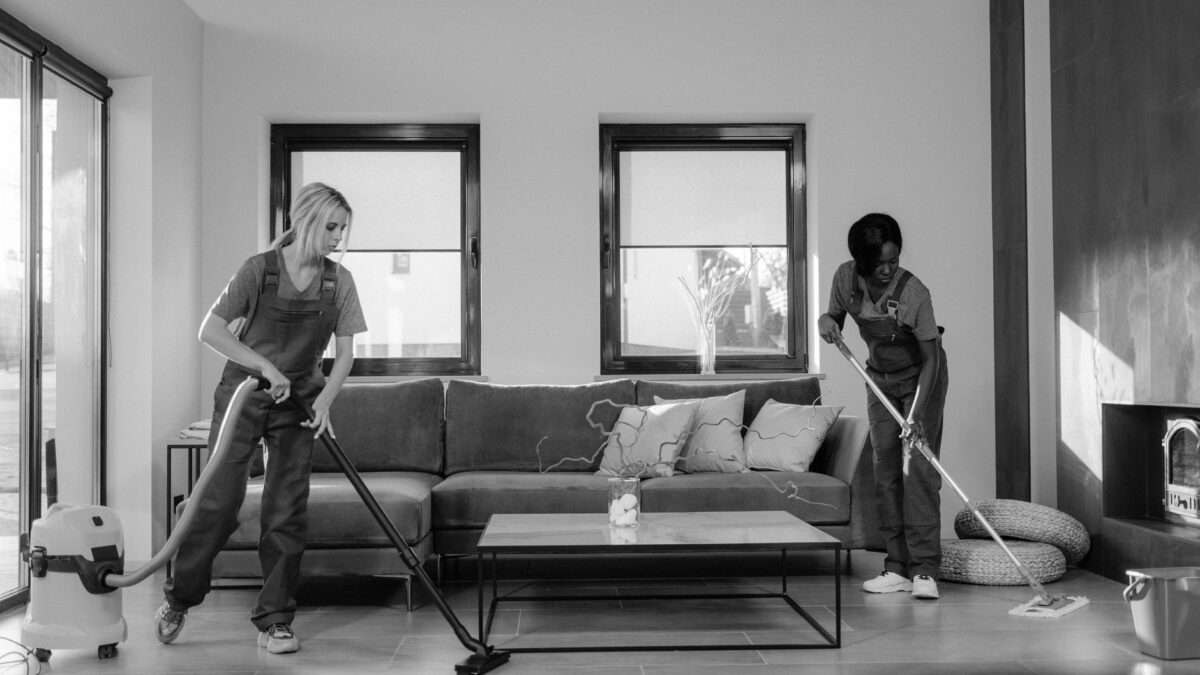
Cleaning after a cat with ringworm means removing hair and skin flakes first, then disinfecting hard surfaces with a product that kills fungal spores, and washing all fabrics the cat has touched. Ringworm spores can stay infectious in the home for up to 18 months, so cleaning has to continue for the whole treatment period, usually several weeks, until your veterinarian confirms the cat is cured. Ringworm can spread to people and other pets, so wear gloves and wash your hands after handling the cat or its things.
What is ringworm, and why is the house part of the problem?
Ringworm is a fungal skin infection, not a worm. In cats it is most often caused by a fungus called Microsporum canis. Infected hairs and skin scales fall off the cat and carry spores, which settle in carpet, upholstery, bedding, cat trees and dust. A cat can be treated successfully and then pick the infection up again from its own surroundings, which is why vets treat the environment along with the animal. The Centers for Disease Control and Prevention lists pets as a common source of ringworm in people.
How long do ringworm spores last in a home?
Spores shed by an infected cat can remain capable of causing infection for up to 18 months in a dry indoor environment. They do not grow or multiply on surfaces; they sit and wait for skin. Regular, thorough cleaning removes most of them, and disinfecting kills what is left on surfaces that can be treated.
Where should an infected cat stay during treatment?
Keep the cat in one room that is easy to clean while it is being treated. A bathroom, laundry room or spare room with hard floors and little furniture works best. Avoid carpeted bedrooms and rooms with fabric sofas.
- Remove rugs, cushions and anything fabric you do not want to wash repeatedly.
- Give the cat a washable bed, a litter box, food and water bowls and a few toys that can be cleaned or thrown away.
- Keep other pets out of the room, and keep the cat out of shared sleeping areas, including your bed.
Confinement should not last longer than your vet advises. Cats still need play and attention, so spend time with the cat in its room wearing clothes you can wash afterward.
How do you clean and disinfect hard surfaces?
Clean first and disinfect second, because disinfectants do not work well on surfaces covered with hair and dirt.
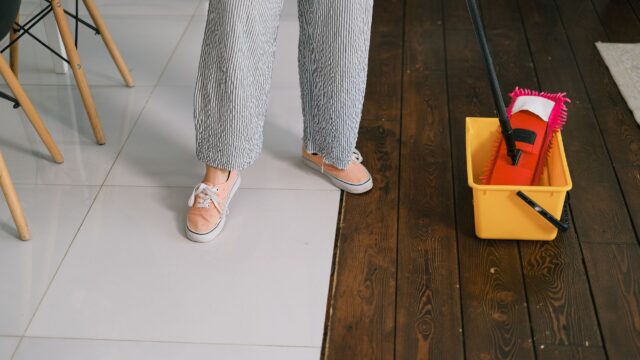
- Vacuum or use a disposable dust cloth or damp mop to pick up hair. Do not dry sweep, which sends spores into the air.
- Wash the surface with detergent and water, then rinse.
- Apply a disinfectant that kills dermatophyte spores. A common choice is regular unscented household bleach diluted to about 1:32, roughly 1/2 cup per gallon of water (120 ml per 3.8 liters). Accelerated hydrogen peroxide products labeled for ringworm are another option and are gentler on many surfaces.
- Leave the surface wet for the full contact time on the label, usually about 10 minutes, then wipe or rinse.
Never mix bleach with ammonia, vinegar or other cleaners. Test bleach on a small hidden area first, since it can discolor fabrics, wood and some flooring. The same clean-then-disinfect routine is used for other contagious illnesses, as in our guide to disinfecting after parvo.
How do you wash bedding, blankets and clothes?
Most fabrics can be decontaminated in a washing machine. Two full wash cycles with regular detergent remove spores well, and hot water and a long cycle help. Avoid overfilling the machine, so items move freely.
- Wash the cat’s bedding, blankets, throws and any clothing it slept on.
- Dry on the hottest setting the fabric allows.
- Carry laundry to the machine in a bag or basket rather than against your clothes.
- Wipe the inside of the washer drum with a disinfectant afterward if you are washing heavily soiled items.
Washing more than once a week is usually not needed if the cat stays in its room.
What about carpets, furniture and cat trees?
Vacuum carpets and upholstery at least twice a week during treatment, and empty the canister or replace the bag outside the house. Hot water extraction (carpet shampooing) helps on carpets the cat has used, and doing it twice gives better results than once. Steam alone does not reliably reach temperatures that kill spores.
Porous items are hard to disinfect. Scratching posts, cardboard scratchers, carpeted cat trees and cheap fabric toys are often easier to throw away than to clean. Plastic toys, carriers, bowls and litter boxes can be washed and disinfected. Litter box choice matters during treatment too: our comparison of the easiest cat litters to clean covers types that keep the box simple to empty and scrub.
How long do you keep cleaning, and how do you know it is over?
Keep up the routine until your veterinarian says the cat is cured, which is often based on negative fungal cultures rather than on how the skin looks. Hair can look normal while the cat is still shedding spores. After treatment ends, do one final deep clean of the whole house: vacuum, wash fabrics, and disinfect hard surfaces in every room the cat used.
Brushing an infected cat can spread spores, so ask your vet before grooming. Our guide to grooming a long-haired cat is for after your vet clears it. If anyone in the household develops a red, scaly or itchy patch of skin, they should see a doctor. For questions about your cat’s treatment, call your veterinarian; the American Veterinary Medical Association has general pet health information for owners.
Quick answers
Can I catch ringworm from my cat?
Yes. Ringworm spreads from cats to people through direct contact and through contaminated items. Children and people with weak immune systems are more likely to be affected.
Does vinegar kill ringworm spores?
Vinegar is not a reliable disinfectant for ringworm. Use diluted bleach or a product labeled to kill dermatophytes or ringworm.
Should my other pets be checked?
Yes. Ask your vet to examine other cats and dogs in the home, since some animals carry spores without showing signs.
Do I need to throw away the cat’s bed?
Not if it is machine washable. Wash it twice per load and dry it hot. Beds that cannot be washed are often easier to replace.