How to Disinfect After Parvo: Cleaners That Work and How Long It Lasts
Diluted bleach and a few veterinary disinfectants kill parvo; most household cleaners do not. See how long the virus survives and how to clean each area.
Canine parvovirus is killed by household bleach diluted at about 1 part bleach to 30 parts water, left wet on a cleaned surface for at least 10 minutes, and by a few veterinary disinfectants such as accelerated hydrogen peroxide and potassium peroxymonosulfate. Most ordinary household sprays, wipes and alcohol do not reliably kill parvo. The virus can survive indoors for a month or more and in shaded soil outdoors for many months, sometimes over a year, so cleaning has to be thorough and repeated.
Why is parvo so hard to kill?
Parvo is a non-enveloped virus, which means it has no fatty outer layer for soap or alcohol to break down. It tolerates heat, cold, drying and many common cleaners. A sick dog sheds huge amounts of virus in stool and vomit, and the virus clings to floors, bowls, shoes, clothing, hands and fur.
Organic matter also protects it. Any trace of feces, vomit, dirt or food left on a surface shields the virus from disinfectant, which is why every disinfecting job starts with a plain cleaning step.
Which cleaners actually kill parvo?
A small group of products is known to work against parvovirus when used as directed:
- Household chlorine bleach (sodium hypochlorite), diluted about 1:30. That is roughly 1/2 cup of bleach per gallon of water (about 120 ml per 3.8 L).
- Accelerated hydrogen peroxide products made for veterinary use, labeled for parvovirus.
- Potassium peroxymonosulfate disinfectants, a powder mixed with water and common in kennels and shelters.
- Calcium hypochlorite products used in some shelters and outdoor runs.
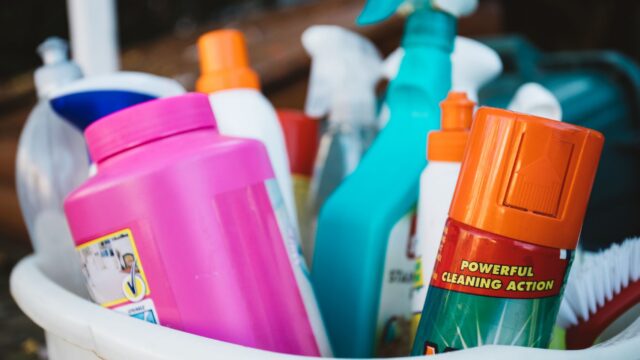
Look on the label for “parvovirus” or “canine parvovirus” in the list of organisms the product kills, and follow its stated contact time. Quaternary ammonium cleaners (many common disinfecting wipes and sprays), alcohol, vinegar, tea tree oil and plain hydrogen peroxide from the pharmacy should not be counted on.
Mix bleach only with water, and make a fresh batch each day because diluted bleach loses strength. Never combine bleach with ammonia, vinegar, toilet bowl cleaners or other products: the fumes are dangerous to people and pets. Ventilate the room and keep animals out until surfaces are dry. If a pet licks or swallows a cleaner, call your veterinarian or the ASPCA Animal Poison Control Center.
How do you disinfect hard floors, crates and bowls?
Hard, non-porous surfaces are the easiest to make safe. Work in this order:
- Wear disposable gloves and old clothes or a gown you can wash hot.
- Pick up feces and vomit with paper towels and bag them for the trash.
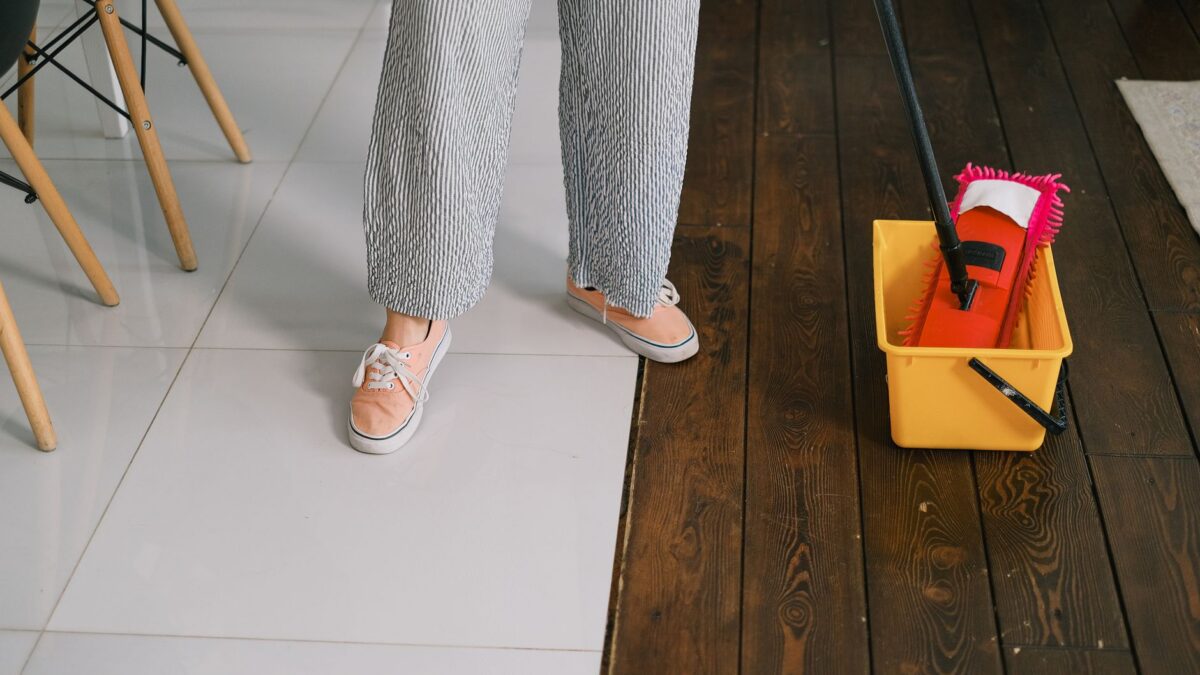
- Wash the area with hot water and detergent, scrubbing away every visible residue, then rinse.
- Apply the disinfectant so the surface stays visibly wet for the full contact time, usually 10 minutes for diluted bleach.
- Rinse surfaces that the dog will lick or eat from, such as bowls and toys, with clean water and let them air dry.
Plastic and metal crates, food and water bowls, hard toys, leashes with plastic clips and baseboards can all be cleaned this way. If you are setting a crate back up for a new puppy later, the advice on choosing and using a puppy crate applies once it is clean. Throw away chewed, cracked or porous items like rope toys and old wooden chews, since disinfectant cannot reach inside them.
What about carpets, furniture and bedding?
Soft and porous materials cannot be fully disinfected with bleach without damaging them. Wash dog beds, blankets and washable covers on the hottest cycle the fabric allows, using a color-safe product labeled for parvovirus or bleach where the fabric tolerates it, and dry them on high heat. Badly soiled bedding is often safest to throw away.
For carpet and upholstery, remove the mess, clean with a carpet shampoo or steam cleaner, and then treat the area with an accelerated hydrogen peroxide product labeled safe for carpets and effective against parvovirus. Test it first on a hidden spot. Steam cleaning alone does not keep the fibers hot enough for long enough to be relied on.
The general method is close to what you would do after a cat has been sick at home, with the stricter product list above because parvo is tougher than many other viruses.
How long does parvo survive in the yard?
Parvo can live in soil and grass for many months, and in shaded, damp spots possibly more than a year. Sunlight and drying help, but no product can disinfect lawn or dirt completely.
- Pick up all stool right away and bag it.
- Patios, concrete, decks and kennel runs can be cleaned and then treated with diluted bleach or a kennel disinfectant.
- Some owners soak grass and soil with water to dilute the virus, but this lowers the amount without removing it.
- Keep unvaccinated puppies and dogs with unknown vaccine history away from the area.
When is it safe to bring a new puppy home?
A new puppy should not come into a home or yard where a dog had parvo until your veterinarian agrees. Many vets advise waiting until the puppy has completed its full vaccine series, and waiting longer if the yard cannot be cleaned. Adult dogs that are fully vaccinated are well protected, so a vaccinated dog already in the house is at low risk, but check its records with your vet.
A dog that recovered from parvo can keep shedding virus in its stool for some time afterward. Keep cleaning up after it promptly and keep it away from unvaccinated dogs until your vet says otherwise.
Which mistakes let parvo spread?
- Spraying disinfectant on a dirty surface without washing it first.
- Wiping it off before the contact time is up.
- Using a bleach mix that is too weak or several days old.
- Forgetting shoes, car seats, carriers, door handles and the washing machine itself.
- Letting visitors with puppies come over soon after the illness.
A spare pair of shoes or a disinfectant footbath at the door helps when a sick dog is still in the house. The American Veterinary Medical Association has owner information on parvovirus and vaccination, and your own vet can tell you which disinfectant their clinic uses.
Quick answers
Does Lysol kill parvo?
Most standard Lysol sprays and wipes are not labeled for canine parvovirus and should not be relied on. Check the label for parvovirus in the list of organisms, or use diluted bleach or a veterinary disinfectant instead.
Can people carry parvo on their clothes?
Yes. Canine parvovirus does not infect people, but it travels on shoes, clothing and hands. Wash clothes hot and wash your hands after handling a sick dog or its mess.
Can a cat catch parvo from a dog?
Cats have their own related virus, feline panleukopenia, and keeping a cat up to date on its core vaccines protects against it. Ask your veterinarian about risk if a cat shares the home with a dog that had parvo.
Should I call the vet if my other dog seems sick?
Call your veterinarian right away if any dog in the home has vomiting, diarrhea, low energy or refuses food after a parvo case, and use an emergency vet out of hours. Parvo moves fast, and early treatment matters.