Mycotoxins in Pet Food: Vomitoxin and Other Molds Explained
Mycotoxins are toxins made by molds that grow on crops. Learn what vomitoxin is, how it differs from aflatoxin, and the limits set for dogs and cats.
A mycotoxin is a poison made by a fungus, and the term is usually used for toxins from molds that colonize crops. Aflatoxin gets most of the attention in pet food recalls, but it is one of several mycotoxins. Vomitoxin, also called deoxynivalenol or DON, is another one, and it turns up in the grains that go into many dog and cat foods.
What is a mycotoxin?
According to Wikipedia’s mycotoxin entry, the word comes from the Greek for fungus and poisonous. These toxins can cause disease and death in people and other animals. The entry lists aflatoxin, citrinin, fumonisins, ochratoxin A, patulin, trichothecenes, zearalenone and ergot alkaloids among the examples.
One mold species can make many different mycotoxins, and several species can make the same one. Most fungi need oxygen and are present almost everywhere in tiny amounts. Where humidity and temperature allow, they spread into colonies, and toxin levels can become high. How harmful a toxin is depends on the animal that eats it, including its susceptibility, metabolism and defenses.
How is vomitoxin different from aflatoxin?
Aflatoxins come from Aspergillus molds. They are four related toxins called B1, B2, G1 and G2, and B1 is the most toxic. The mycotoxin page describes aflatoxin B1 as a potent carcinogen tied to liver cancer in many animal species. Aflatoxins are largely found in crops from the tropics and subtropics, such as cotton, peanuts, spices, pistachios and maize. Our explainer on aflatoxin in dog food covers why corn mold leads to recalls.
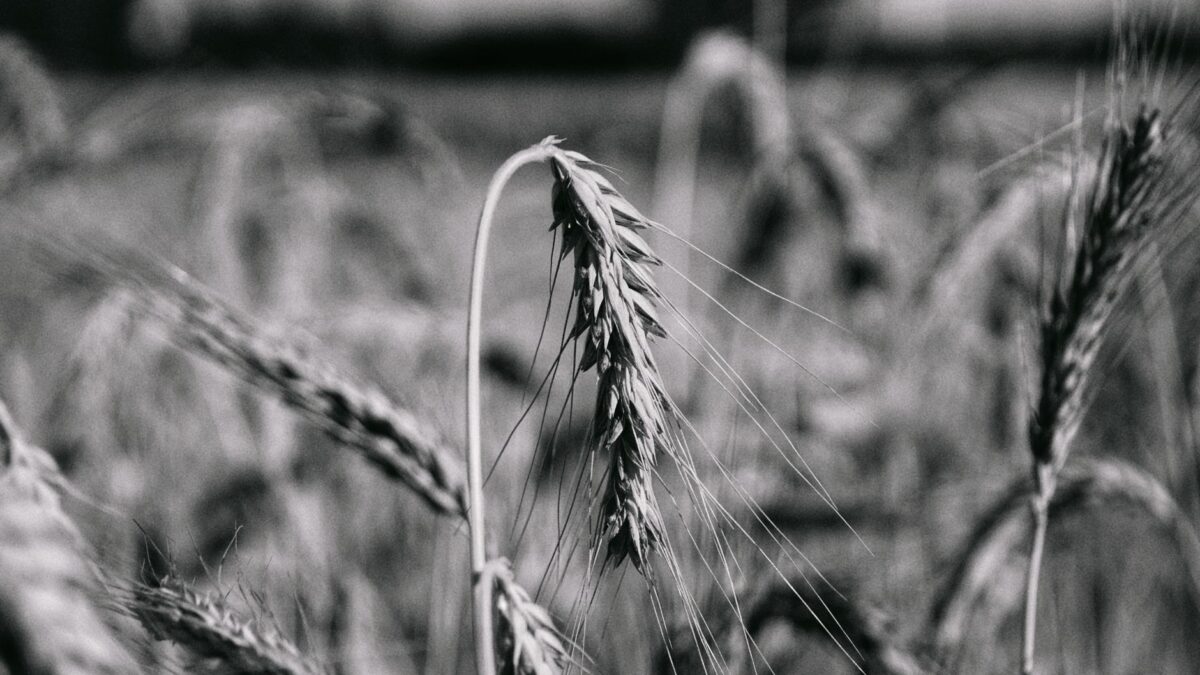
Vomitoxin belongs to a different family. According to Wikipedia’s vomitoxin entry, it is a type B trichothecene, and it occurs mostly in wheat, barley, oats, rye and corn, and less often in rice, sorghum and triticale. Two Fusarium molds are mainly responsible. They cause fusarium head blight in wheat and ear blight in corn.
The same page says vomitoxin is relatively mild compared with other trichothecenes, and that, unlike aflatoxin, it is not a known carcinogen. Its main effect in livestock is reduced feed intake.
Why do grains carry vomitoxin?
Weather in the field matters. The vomitoxin page says fusarium head blight is strongly tied to moisture when the wheat flowers, and that the timing of rainfall is a bigger factor than the amount. More moisture close to harvest has been linked to lower vomitoxin in wheat grain, because rain leaches toxins out. The page also lists the susceptibility of the cultivar, the previous crop, tillage practices and fungicide use as influences on how much DON ends up in the grain.
Fusarium toxins as a group come from more than 50 Fusarium species. They have a long record of infecting developing cereals such as wheat and maize. Other members of the group include the fumonisins, which affect the nervous systems of horses, and zearalenone.
What limits apply to dogs and cats?
The vomitoxin page gives these figures. Dogs and cats are restricted to 5 ppm (parts per million) of vomitoxin in grains and grain byproducts, and grains are not to exceed 40% of the diet. For livestock, the limit is 10 ppm for poultry and for beef and feedlot cattle older than four months, with ingredients capped at 50% of the diet. Dairy cow feed is limited to 2 ppm.
For human food, the page says the U.S. Food and Drug Administration has set a restriction of 1 ppm, though that statement is marked on the page as needing a citation. It says the Canadian Food Inspection Agency has a legislated maximum of 2 ppm for uncleaned soft wheat meant for people. Check the agencies’ own guidance if you need the exact current rules.
What does this mean for pet owners?
Most owners will never see a vomitoxin figure on a bag. The practical points come from how recalls and notices work. A recall notice names the product, sizes, lot numbers and best-by dates, and tells owners what to do. Our guides on how a pet food recall works and on recalls versus market withdrawals explain those notices. If a food matches a recall, stop feeding it. If your pet seems unwell after eating any food, call your veterinarian. In an emergency, contact an emergency vet or the ASPCA Animal Poison Control Center.
Mold can also grow after purchase wherever moisture and warmth let it, so the general principle on the mycotoxin page is worth keeping in mind: fungi consume organic matter wherever humidity and temperature are sufficient.
Quick answers
Is vomitoxin the same as DON?
Yes. Vomitoxin and deoxynivalenol, abbreviated DON, are two names for the same mycotoxin.
Is vomitoxin as dangerous as aflatoxin?
The vomitoxin page calls it relatively mild next to other trichothecenes and says it is not a known carcinogen, unlike aflatoxin. Reduced feed intake is the symptom livestock producers are most likely to see.
Which grains are most affected by vomitoxin?
Wheat, barley, oats, rye and corn, according to the vomitoxin page. Rice, sorghum and triticale are affected less often.
Can I work out how much to feed my pet myself?
Portion size is a separate question from mycotoxin limits. Our dog and cat calorie calculator estimates daily calories, and your veterinarian can advise on the right amount.
Checked against official sources in November 2026. Hours, prices and rules change: confirm on the official page before you go or apply.