Can Dogs Eat Green Beans? Plain, Cooked, Canned and Portions
Yes, dogs can eat plain green beans, raw, cooked or canned with no salt. Here is how to prepare them, how many to give by dog size, and what to avoid.
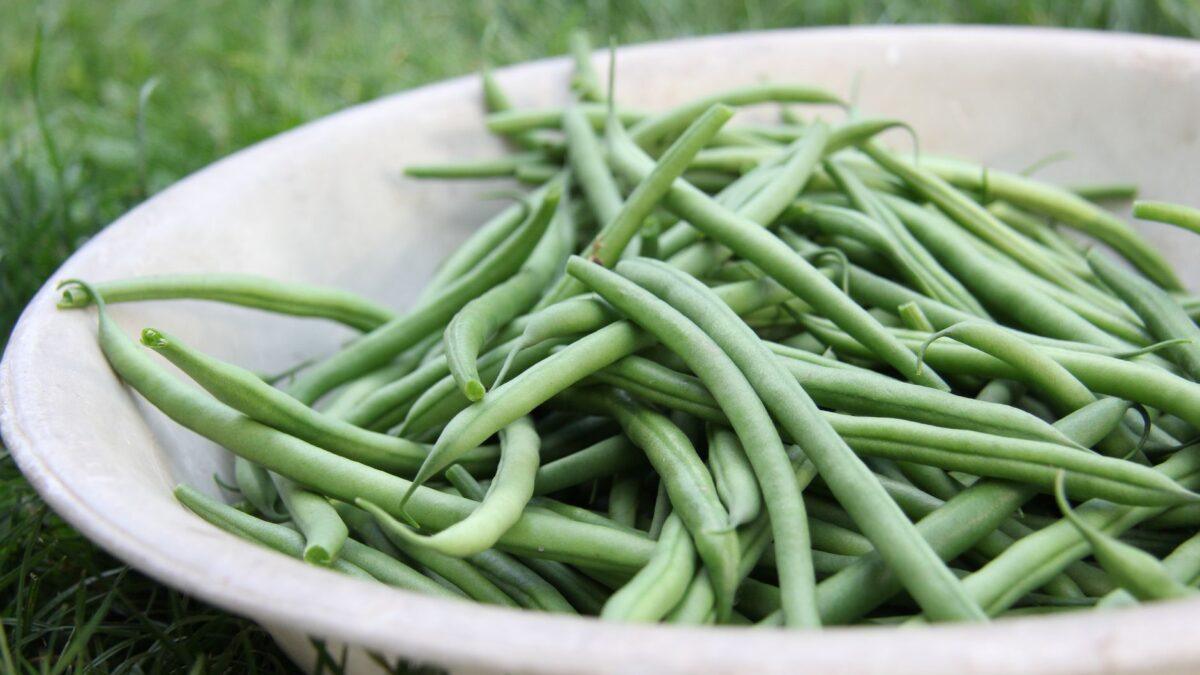
Yes, dogs can eat green beans. Plain green beans are safe for most healthy dogs whether they are raw, steamed, boiled or canned without salt, and they work as a low-calorie treat. Keep them unseasoned, cut them to a size that suits the dog, and count them as part of the 10 percent of daily calories that treats should stay under.
Green beans are mostly water and fiber, with small amounts of vitamins and minerals. They are not a complete food and do not replace a balanced dog diet. The questions below cover preparation, canned beans, portions and the situations where a vet should decide.
Are raw green beans safe for dogs?
Raw green beans are safe for most dogs, and many dogs like the crunch. Wash them, trim the stem ends and cut them into bite-size pieces, especially for small dogs or dogs that gulp food. A long whole bean can be swallowed in one piece and may cause gagging.
Raw beans are tougher to digest than cooked ones. Dogs with sensitive stomachs may do better with cooked beans, and any new food is best introduced in a small amount first.
Can dogs eat cooked green beans?
Cooked green beans are safe when they are steamed, boiled or roasted with nothing added. Cooking softens the fiber, so the beans are easier to chew and digest. Let them cool fully before serving.
Leave out everything that normally goes into a side dish:
- Salt, butter, oil and sauces
- Onion, garlic, shallots, leeks and chives, which are toxic to dogs
- Bacon, ham or other fatty meat
- Cream, cheese and breadcrumbs, as in green bean casserole
Green bean casserole and beans cooked with onion or fatty meat are poor choices. Onion and garlic can damage a dog’s red blood cells, and rich, fatty food can trigger stomach upset or pancreatitis. The ASPCA lists onions and garlic among the foods dogs should not eat.
Can dogs eat canned green beans?
Canned green beans are acceptable only when the label shows no added salt, or at least a low-sodium product. Many canned vegetables are packed in salty liquid, and too much sodium is a problem for dogs, particularly small ones and those with heart or kidney conditions.
Check the ingredient list for onion, garlic or seasoning blends. Drain the beans and rinse them under running water before serving, which removes much of the packing liquid. Pickled or marinated beans are not suitable because of the salt, vinegar and spices.
Frozen green beans without sauce are a good alternative. Thaw and cook them, or serve them cold as a crunchy snack if the dog chews them well. Very small dogs should get thawed, chopped pieces rather than hard frozen ones.
How many green beans can a dog eat?
A handful of beans is plenty for a large dog and one to three pieces is enough for a toy breed. Treats of every kind, including vegetables, should make up no more than about 10 percent of a dog’s daily calories, and the rest should come from a complete and balanced dog food.
As a rough starting guide for chopped, plain beans given a few times a week:
- Toy and very small dogs: 1 to 3 pieces
- Small dogs: 3 to 5 pieces
- Medium dogs: about 5 to 10 pieces
- Large and giant dogs: up to a small handful
Start with less than this and watch the dog for a day. A sudden large serving of fiber can cause gas, loose stool or vomiting. The same slow introduction applies to other vegetables, such as plain canned pumpkin, and to fruit such as blueberries.
Can green beans help a dog lose weight?
Green beans are low in calories, so some owners use a few pieces in place of a biscuit as a lower-calorie reward. They add bulk and chewing time, which many dogs enjoy.
Replacing a large part of a dog’s regular meal with green beans is a bad idea. Dogs need the protein, fat, vitamins and minerals in a complete diet, and a vegetable-heavy plan can leave gaps. A dog that needs to lose weight should have a feeding plan from a veterinarian, who can set the daily calories and check for medical causes of weight gain.
When should a dog not eat green beans?
Dogs on a prescription diet, or with kidney disease, pancreatitis, a history of food allergies or a sensitive digestive tract, should get new foods only after the vet agrees. Puppies are also best kept to their puppy food plus a few approved treats.
Stop feeding beans and call a veterinarian if the dog vomits repeatedly, has diarrhea that lasts more than a day, seems painful or stops eating. A dog that is choking, gagging constantly or collapsing needs an emergency vet at once. If a dog has eaten a dish that may contain onion, garlic, xylitol or other toxic ingredients, call an emergency vet or the ASPCA Animal Poison Control Center right away.
Some side-dish vegetables carry their own risks, such as the cob and blockage problem described in the guide to plain corn kernels versus the cob.
Quick answers
Can dogs eat green bean stems and strings?
Trim the stem ends and cut the beans into short pieces. Fibrous ends and long stringy pieces are harder to chew, and chopping lowers the choking risk.
Can puppies eat green beans?
Small, soft, cooked pieces are usually fine for a puppy that is eating solid food, but only as an occasional treat. Ask the vet before adding anything to a young puppy’s diet.
Are green bean leftovers from dinner safe for dogs?
Only if the beans were cooked without salt, butter, onion, garlic or sauce. Beans from a seasoned family dish should not go into the dog’s bowl. Set aside a few plain beans before seasoning if you plan to share.
Can dogs eat other treats like apples?
Many dogs can, in small amounts. The guide to apple core, seeds and portions covers how to serve them.