Can Dogs Eat Watermelon? Seeds, Rind and Safe Portions by Size
Dogs can eat seedless watermelon flesh in small amounts as a treat. Why seeds and rind are risky, how much to give by size and signs of a problem.
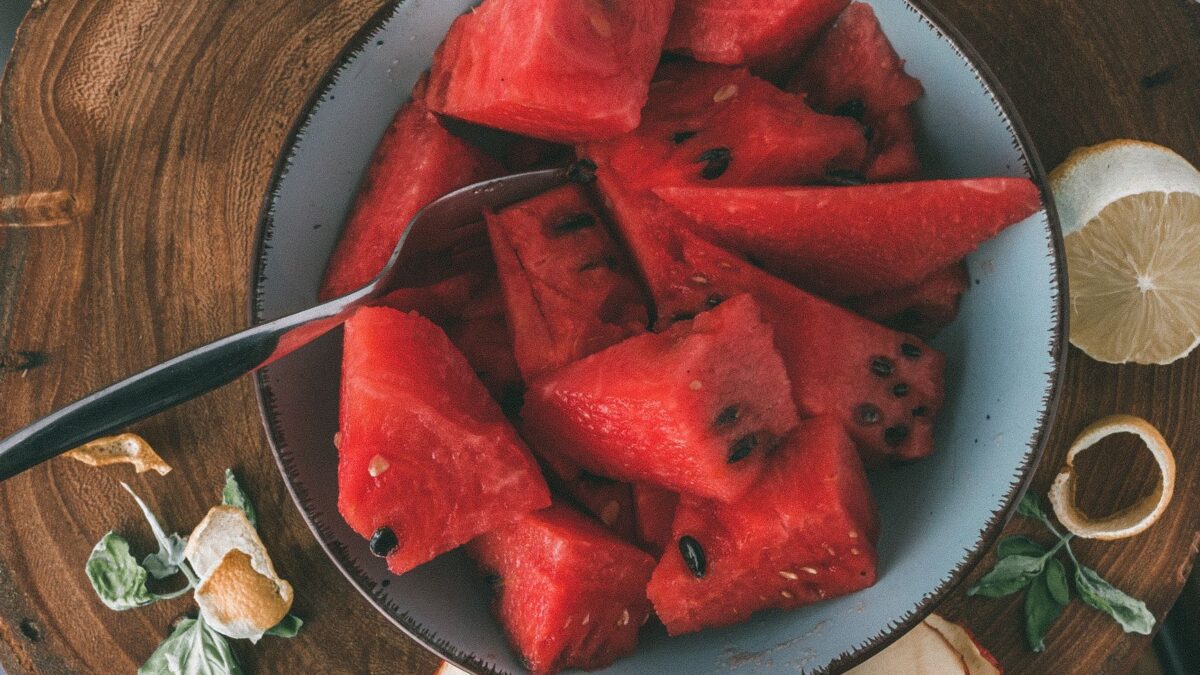
Dogs can eat watermelon flesh, as long as the seeds and the rind are removed and the portion stays small. Plain, fresh watermelon is mostly water, low in calories and free of anything toxic to dogs. Like every treat, it should make up no more than about 10 percent of a dog’s daily calories, which for most dogs means a few bite-size cubes.
The risks come from the parts people throw away and from how the fruit is served: seeds and rind can upset the stomach or block the gut, and too much of the flesh at once can cause diarrhea.
Is watermelon good for dogs?
Watermelon is a reasonable occasional treat for healthy dogs. The flesh is made up mostly of water, so it helps a little with hydration on a hot day, and it contains vitamins A and C, potassium and some fiber. Dogs make their own vitamin C, so these nutrients are only a small extra. A complete and balanced dog food already covers what a dog needs.
A cube of watermelon has far fewer calories than most commercial treats, which helps dogs that need to lose weight.
Can dogs eat watermelon seeds?
Remove the seeds before giving watermelon to a dog. One or two swallowed seeds rarely cause trouble in a large dog, but a number of the hard black seeds can collect in the intestines and cause a blockage, and small dogs are at greater risk. Seedless watermelons still contain soft white seeds. These are generally harmless in small amounts, though picking out what you can is still sensible.
Can dogs eat watermelon rind?
Dogs should not eat the rind. The green skin and pale inner rind are tough and hard to digest. Chewing on rind can cause vomiting, diarrhea or stomach pain, and a large piece swallowed in a hurry can lead to choking or an intestinal blockage. Throw rinds away in a covered bin so a dog cannot pull them out of the trash after a picnic or barbecue.
How much watermelon can a dog have?
Keep watermelon within the treat allowance of roughly 10 percent of daily calories, and start with less the first time. Cut the flesh into cubes about 1 inch (2.5 cm) across. As a rough guide for healthy adult dogs:
- Toy and extra-small dogs (up to about 10 lb or 4.5 kg): 1 or 2 small cubes
- Small dogs (about 10 to 25 lb, 4.5 to 11 kg): 2 or 3 cubes
- Medium dogs (about 25 to 50 lb, 11 to 23 kg): 4 to 6 cubes
- Large dogs (over 50 lb or 23 kg): a small handful
Watermelon has natural sugar and a lot of water, and too much at once commonly causes loose stools. The same portion logic applies to other fruit treats, such as bananas, with portions by dog size, and fresh or frozen strawberries.
How should I serve watermelon to my dog?
Serve plain, fresh, seedless flesh in small pieces. Simple ways to do it:
- Wash the outside of the melon before cutting, so knife contact does not carry dirt into the flesh.
- Cut away all of the rind and remove the black seeds.
- Cut the flesh into bite-size cubes suited to your dog’s mouth.
- Offer a cube or two by hand, or freeze cubes for a cool summer treat. Very small dogs and fast eaters do better with smaller or partly thawed pieces.
- Store leftover cut watermelon covered in the refrigerator and use it within a few days.
Skip watermelon products made for people: candy, gum, flavored drinks, sorbet and fruit salads with added sugar or other fruits. Some sugar-free products contain xylitol, which is toxic to dogs, and a fruit salad may contain grapes, which can damage a dog’s kidneys. The article on why grapes and raisins are dangerous for dogs explains the warning signs.
Which dogs should skip watermelon?
Ask your veterinarian before giving watermelon to a dog with diabetes, a history of pancreatitis, a sensitive stomach or a prescription diet. Puppies can have a small taste once they are eating solid food well, but their stomachs are easily upset, so keep it to a tiny amount. Any dog that has never had watermelon should get a single small piece first, followed by a day of watching for stomach upset.
What should I do if my dog ate rind or a lot of seeds?
Call your veterinarian if your dog swallowed a large piece of rind or many seeds, especially if it is a small dog. Watch over the next one to two days for these signs of a possible blockage:
- repeated vomiting, or trying to vomit without bringing anything up
- a swollen or painful belly
- no appetite or unusual tiredness
- straining with little or no stool
These signs need prompt veterinary care, at an emergency vet if your regular clinic is closed. If your dog ate a watermelon-flavored product and you are unsure whether it contains xylitol, contact the ASPCA Animal Poison Control Center or your vet right away. The American Veterinary Medical Association has more general guidance on pet food safety.
Quick answers
Can dogs eat frozen watermelon?
Yes. Frozen seedless cubes make a cooling summer treat. Give small pieces so they do not strain teeth or become a choking risk.
Can dogs drink watermelon juice?
Fresh, plain juice in a small amount is not harmful, but whole flesh is better because it has fiber. Avoid bottled juices and drinks with added sugar or sweeteners.
Can cats eat watermelon?
A small piece of seedless flesh is not toxic to cats, though most cats show little interest. Cats cannot taste sweetness, and they need a meat-based diet.
Is watermelon safer than apples for dogs?
Both are safe when prepared properly. Apples need the core and seeds removed, as the guide to serving apples to dogs explains, while watermelon needs the rind and seeds removed.