Can Dogs Eat Blueberries? Portions by Size and Choking Risk
Yes, dogs can eat plain blueberries: about 1 to 3 for toy dogs and up to 15 for large breeds. Portions by size, choking risk and what to skip.
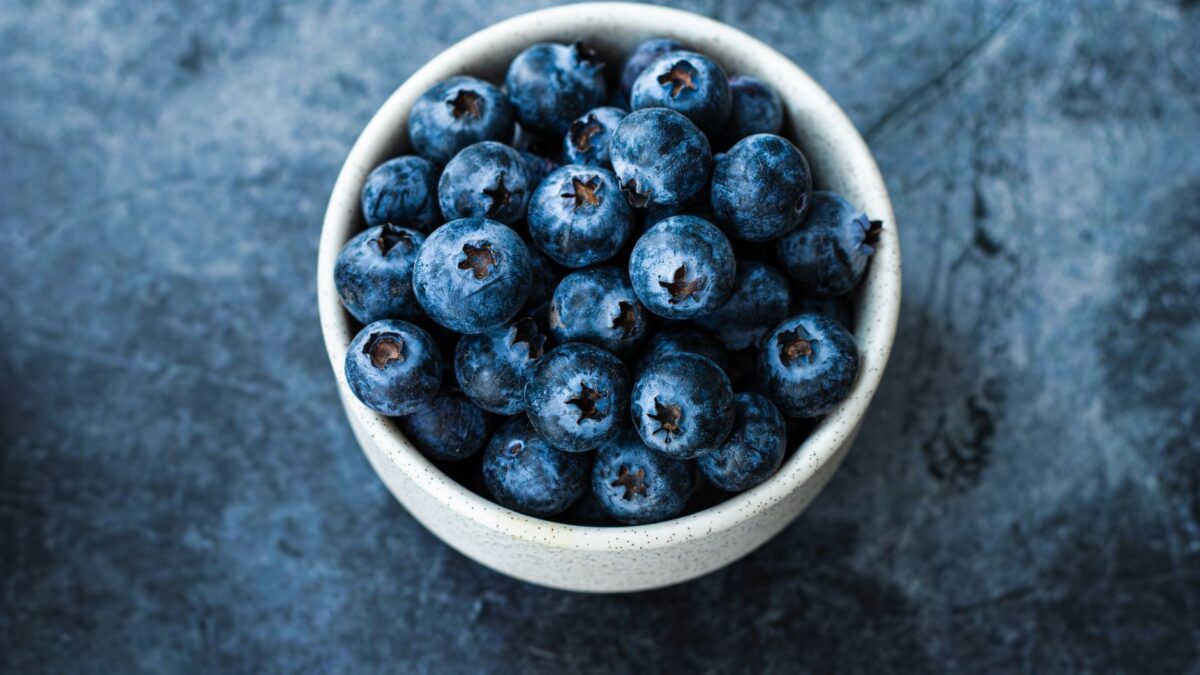
Yes, dogs can eat blueberries. Plain fresh or frozen blueberries are a safe treat for healthy dogs, and the ASPCA does not list them as toxic. A toy dog under 10 pounds (4.5 kg) can have 1 to 3 berries, while a large dog can have 10 to 15, and only as an occasional extra.
Size matters for more than the amount. Whole berries can be swallowed without chewing by small dogs, and frozen berries are hard enough to lodge in a small throat, so the serving needs to match the dog.
How many blueberries can a dog eat?
The amount depends on body weight, and treats of every kind should stay under about 10 percent of a dog’s daily calories. These are sensible starting servings for a day, not targets:
- Under 10 lb (4.5 kg): 1 to 3 berries
- 10 to 25 lb (4.5 to 11 kg): 3 to 5 berries
- 25 to 50 lb (11 to 23 kg): 5 to 10 berries
- 50 to 90 lb (23 to 41 kg): 10 to 15 berries
- Over 90 lb (41 kg): up to about 20 berries
Start with a few berries on the first day and watch the dog for 24 hours. A dog that has never eaten the fruit may get loose stools or an upset stomach from even a modest portion. To see how blueberries fit into a whole day of food, the dog and cat calorie calculator gives a daily calorie figure by weight and activity.
Are blueberries a choking risk for small dogs?
Yes, blueberries can be a choking risk for small dogs, mainly because a berry is round, firm and about the width of a small dog’s windpipe. Toy breeds and puppies that gulp food are most at risk, and frozen berries are firmer still.
Ways to lower the risk:
- Cut each berry in half or quarters for dogs under about 15 lb (7 kg).
- Mash the berries and stir them into the dog’s regular food.
- Thaw frozen berries for a few minutes before serving to soften them.
- Hand the berries over one at a time and watch the dog chew.
- Do not toss berries for a dog to catch in the air.
If a dog is choking (pawing at the mouth, gagging, struggling to breathe or turning blue around the gums), go to an emergency vet at once. Do not wait to see whether it passes.
Are frozen blueberries safe for dogs?
Frozen blueberries are safe for most dogs, provided the bag contains only berries. Check the label for added sugar, syrup or sweeteners, and skip any bag with an ingredient list longer than “blueberries.”
Frozen berries make a cool snack in hot weather, but they are hard. Large dogs usually handle them well. For small dogs, thaw them first or crush them. Dogs with sensitive teeth or dental disease may also do better with thawed fruit.
Which blueberry foods are not safe for dogs?
Blueberry baked goods and sweetened products are the problem, not the fruit itself. Muffins, pie, jam, yogurt with fruit and many snack bars carry sugar, fat and sometimes ingredients that are dangerous to dogs.
- Xylitol, a sweetener found in some sugar-free products, is toxic to dogs and can cause a dangerous drop in blood sugar. Check labels on any sugar-free item.
- Chocolate chips and raisins, common in muffins and trail mixes, are toxic to dogs.
- Pie filling and jam are high in sugar and can upset the stomach.
- Blueberry-flavored products often contain little real fruit and a lot of additives.
If a dog eats any of these, call a veterinarian, an emergency vet or the ASPCA Animal Poison Control Center right away, and have the product label ready.
How should blueberries be prepared for a dog?
Wash the berries under running water, pick out any stems and leaves, and serve them plain. Blueberries have no pit, so nothing needs to be removed from the fruit itself.
Fresh berries keep in the refrigerator for several days, and frozen ones keep for months. Discard berries that are soft, moldy or leaking, since mold can cause stomach upset or worse in dogs.
Blueberries can darken a dog’s stool for a day or two. That color change is normal and comes from the fruit. Black, tarry stool that appears without blueberries in the diet needs a call to the vet.
Which dogs should not get blueberries?
Dogs with diabetes, a history of pancreatitis, kidney disease or a prescription diet should only get blueberries if the veterinarian says so. Fruit contains natural sugar, and a vet-prescribed food plan can be thrown off by extra treats.
Dogs with a known food allergy should also be introduced to new foods under a vet’s guidance. Stop feeding blueberries and call the vet if a dog develops vomiting, diarrhea that lasts more than a day, itching, swelling of the face or lethargy.
Other fruit follows similar rules. See the guides to strawberries for dogs and bananas for dogs, and the apple guide for the seed and core precautions that blueberries do not need.
Quick answers
Can puppies eat blueberries?
Puppies can eat a few mashed or halved blueberries once they are eating solid food. Keep the portion to one or two berries and check with the vet first, since puppies have sensitive stomachs and are growing on a carefully balanced diet.
Can dogs eat blueberry muffins or pancakes?
No. They contain sugar and fat, and may also contain chocolate, raisins or xylitol. Offer plain berries instead.
Can dogs eat dried blueberries?
Dried blueberries are concentrated in sugar and calories, so a dog can overeat them quickly. Many also have added sugar or oil. Fresh or frozen berries are the better choice, and any dried fruit should be limited to one or two pieces for small dogs.
Are blueberries toxic to dogs in large amounts?
Blueberries are not toxic, but a large helping can cause vomiting, diarrhea or gas. A dog that raids a whole container should be watched, and the vet called if symptoms continue or the dog seems unwell.