Chicken Allergy in Dogs: Signs, Diet Trial and Choosing a Food
Chicken allergy in dogs is confirmed with a diet trial of up to 3 months on new ingredients. Signs, how the trial works and how to pick a food.
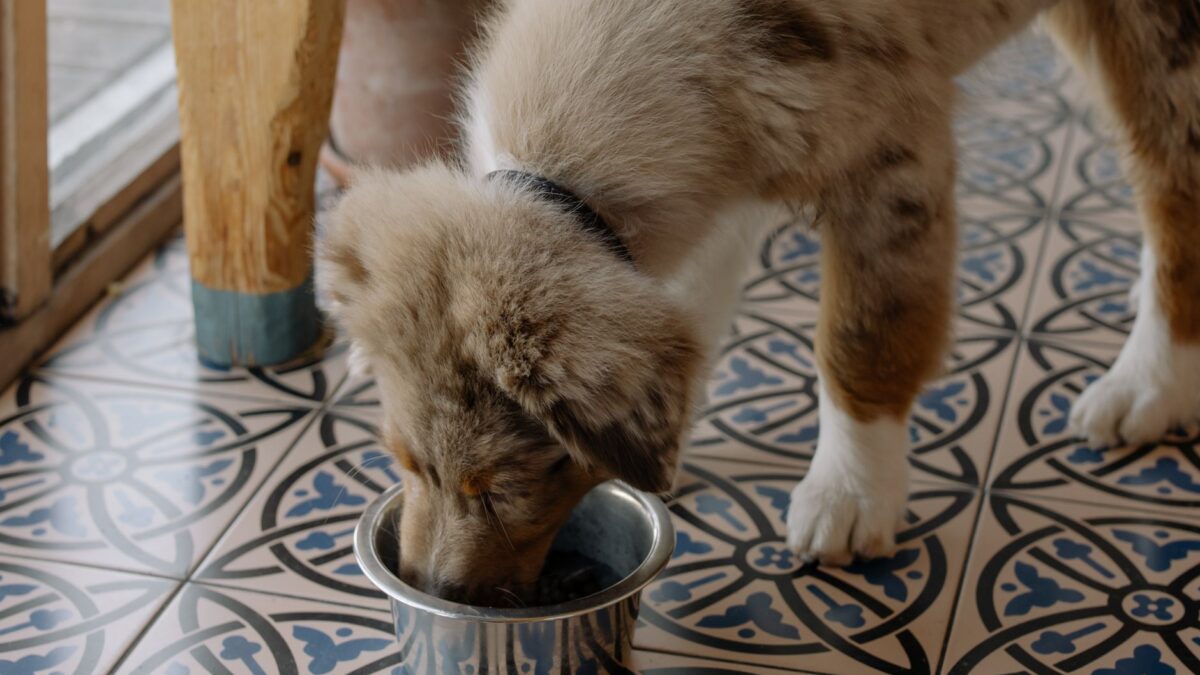
A food allergy in a dog is confirmed with a diet trial, not a blood or skin test. The dog eats only a limited diet of ingredients it has never had before, the itching is watched, and the old food is then given back to see whether signs return. Chicken is a protein in many dog foods and treats, so a dog that has eaten it for years is a common candidate for this trial. Your veterinarian should plan it with you.
What are the signs of a food allergy in dogs?
The signs of food allergy resemble those of airborne allergies, according to the Merck Veterinary Manual. Itching is the typical one. Dogs may lick or chew their paws, rub their faces and eyes, or scratch their ears, front legs and abdomen, though some scratch all over. Scratching can lead to wounds, scabs, hair loss, scaling, and skin and ear infections.
The main difference is timing. Airborne allergies are usually seasonal but may last all year, while with a food allergy there is little change in how intense the itching is from one season to another. The age of onset is variable, and where and how badly a dog itches differs between animals.
Food allergies are less common than airborne allergies. Any breed can develop one, but Merck lists Labrador Retrievers, West Highland White Terriers and Cocker Spaniels as possibly at higher risk. For a small number of dogs, long-term or recurring ear infections are the only sign. If your dog itches or has repeated ear trouble, see your veterinarian before changing the diet, because other causes have to be ruled out.
How do you know it is chicken and not something else?
Only the diet trial can tell. Merck states that blood and skin tests are not reliable for diagnosing food allergy. Airborne allergies have no test that can positively identify them either, and diagnosis rests on age, breed, signs and history, with other causes excluded.
The same page notes that a diet trial needs a plan made with your veterinarian. Suspecting chicken is a starting point. A dog that reacts to chicken may be reacting to another ingredient it has eaten, and only a controlled trial separates them.
How does an elimination diet trial work?
An elimination diet limits what the dog eats so the immune system meets nothing it has already reacted to. Merck describes the ideal diet as balanced and nutritionally complete, with no ingredient the dog has been fed before. The steps below follow Merck’s description.
- Ask your veterinarian to build a test plan for your dog, listing every protein and other ingredient the dog has eaten so far. Chicken goes on that list, along with whatever else has been in the dog’s food and treats.
- Choose one of two diet types: a limited-ingredient elimination diet made of novel ingredients, or a prescription diet with hydrolyzed proteins. Hydrolyzed proteins are broken down into pieces the dog’s body no longer recognizes.
- Feed only that diet. Treats, table food, flavored medications and toothpaste all count, and any of them can ruin the trial.
- Continue for up to 3 months. If the signs clear up markedly or completely, a food allergy is suspected.
- Confirm it by giving back the food the dog ate before. A relapse confirms the allergy, and signs usually return between 1 hour and 14 days later.
Merck points out that owners often miss the rule about previous ingredients. If one is present in the trial diet, the dog may be allergic to exactly that ingredient and the whole trial fails. The only ingredients that can be fed are new ones.
That rule is why sharing human food with a dog has no place during a trial, even small bites. A dog that turns down the new diet is a separate problem, and the advice in dog food for picky eaters covers refusals, but check any change with your veterinarian first, since extra toppings can break the trial.
Which food should you choose for a dog with a chicken allergy?
Which diet to use is your veterinarian’s decision, and Merck gives two options for the trial itself: a limited-ingredient diet of novel ingredients, or a hydrolyzed-protein prescription diet. During the trial, dogs should eat only the food and treats the veterinarian recommends.
A novel ingredient is defined by your dog’s history, not by the ingredient itself. A protein that is unusual for one dog may be an everyday food for another, which is why the list of past foods matters. A dog already tested on chicken that clears up on a diet without it still needs the rechallenge step to confirm the cause.
Once a food allergy is confirmed, the long-term diet is built around what the trial showed. Ask your veterinarian which foods and treats are safe to feed afterward, and read ingredient labels on every treat, chew and supplement before it goes in the bowl. A food that is balanced and nutritionally complete can still be wrong for your dog if it contains an ingredient the dog reacts to. To check portions on a new food, the dog and cat calorie calculator gives a starting estimate.
Is a food allergy the same as a food intolerance?
No. Wikipedia’s article on elimination diets, which is written about people, separates the two. A food allergy is an immune reaction, most commonly to food proteins, and involves increased production of IgE antibodies. A food intolerance does not activate the immune system and is thought to start in the gastrointestinal tract, for example when the body cannot digest or absorb a food component. Lactose intolerance is the standard example.
The same article describes the general elimination method: remove a suspected food, see whether symptoms resolve, then reintroduce it to see whether they return. Dog owners follow the same logic, but the dog-specific rules above come from the veterinary source.
Quick answers
Can a blood test show a chicken allergy in my dog?
Merck says blood and skin tests are not reliable for diagnosing food allergy. A diet trial is the method it describes.
How long does the diet trial last?
Up to 3 months, according to Merck. Your veterinarian may adjust the length for your dog.
How soon do signs come back when the old food is reintroduced?
The return of signs is usually between 1 hour and 14 days. A relapse is what confirms the allergy.
Can my dog have its usual treats during the trial?
No. Treats, table food, flavored medications and toothpaste all count as food, and the dog should eat only what the veterinarian recommends.
Checked against official sources in November 2026. Hours, prices and rules change: confirm on the official page before you go or apply.