Can Dogs Eat Carrots? Raw vs Cooked, Portions and Choking Risk
Yes, dogs can eat carrots, raw or cooked, when the pieces are plain and bite-size. Portions by dog size, the choking risk and how to serve them.
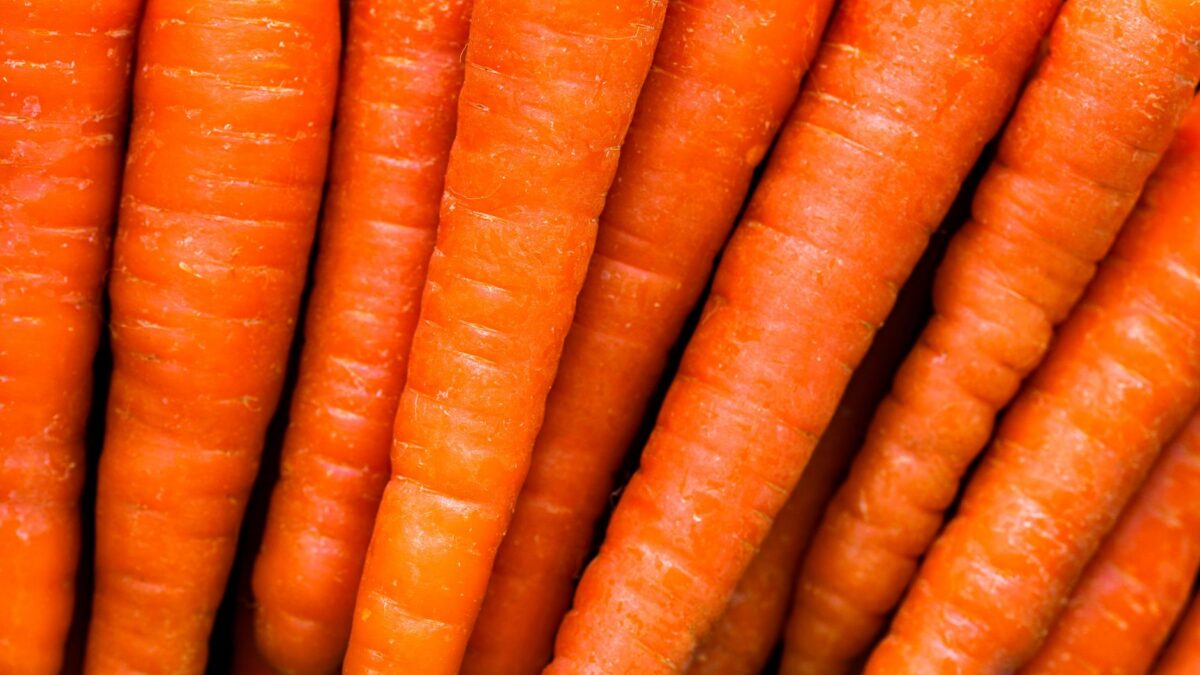
Yes, dogs can eat carrots. Plain raw or cooked carrots are a low-calorie treat for most healthy dogs when the pieces are cut to suit the dog’s size and the amount stays small. The main hazard is choking on large chunks, so cut pieces small and watch the dog while it eats.
Treats of every kind, carrots included, should stay under about 10 percent of a dog’s daily calories. The rest should come from a complete and balanced dog food.
Are raw or cooked carrots better for dogs?
Both are safe, and the better choice depends on the dog. Raw carrots are crunchy and keep a dog busy, but they break into hard pieces that a fast eater can swallow whole. Cooked carrots are soft, which suits puppies, senior dogs and dogs with sore teeth or missing teeth.
To cook them, steam or boil carrot pieces until a fork goes in easily, then let them cool. Serve them plain. Butter, oil, salt, sugar, glaze and seasoning have no place on a dog’s carrots, and onion and garlic are toxic to dogs. The ASPCA Animal Poison Control Center lists toxic foods and takes calls if a dog has eaten something it should not have.
Grated or finely chopped raw carrot is a gentler option than sticks, and mashed cooked carrot can be stirred into regular food.
How much carrot can a dog eat?
A small handful of chopped pieces is plenty for most dogs, and the amount should scale with body size. These ranges are general serving guides for chopped carrot, offered as a treat rather than a meal:
- Toy and small dogs (under about 20 lb, or 9 kg): 1 to 2 teaspoons.
- Medium dogs (about 20 to 50 lb, or 9 to 23 kg): 1 to 2 tablespoons.
- Large dogs (over 50 lb, or 23 kg): 2 to 4 tablespoons.
A medium carrot has roughly 25 calories, which is a meaningful share of the daily budget for a toy breed. The dog and cat calorie calculator estimates how many calories a dog of a given weight needs each day, which shows how much room is left for treats.
Carrots are high in fiber. A dog that has never had them can get gas or loose stools after a large serving, so start with a few pieces and wait a day before offering more.
Can carrots cause choking?
Yes. Whole carrots, thick sticks and large coins can lodge in the throat, and the risk is highest in small dogs, dogs that gulp their food and dogs that bite off chunks instead of chewing. Baby carrots are sized for people, so a toy breed should get them cut in halves or quarters.
A few habits lower the risk:
- Cut carrots into thin coins or small cubes, no bigger than a bite the dog can chew comfortably.
- Stay with the dog while it eats and take away any leftover piece that is too big.
- Skip whole raw carrots as chew toys for strong chewers, since the broken-off chunks are the problem.
- Pick up carrot ends and stubs from the counter and floor.
Pieces that are swallowed whole can also block the gut, the same concern covered in the guide on corn kernels versus the cob. A dog that is gagging, pawing at its mouth, struggling to breathe or has blue or pale gums needs an emergency vet immediately. If a dog swallowed a large piece and later vomits repeatedly, refuses food, seems lethargic or has a painful belly, call a veterinarian the same day.
How do I prepare and serve carrots?
Wash the carrot well, trim off the green top and the root tip, and cut the rest to size. Peeling is optional. After that, the options are simple:
- Raw: serve as thin coins, small cubes or grated shreds.
- Cooked: steam or boil until soft, cool, then serve whole slices or mashed.
- Frozen: freeze small coins for a cold summer treat, and give them only to dogs that chew rather than gulp, since hard frozen pieces are harder to swallow safely.
- As a topper: mix a spoonful of grated or mashed carrot into the dog’s usual meal.
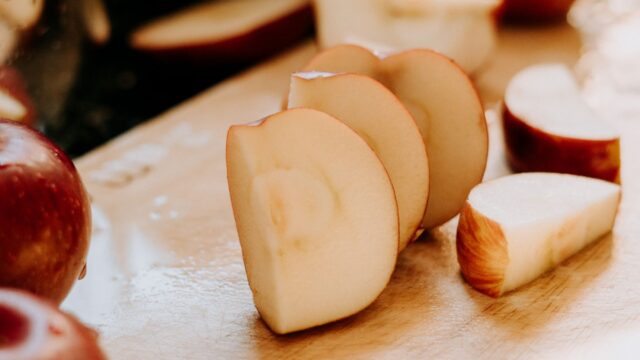
Carrot cake, glazed carrots, canned carrots packed with salt and soups made with onion or garlic are all poor choices. Plain is the rule. For other produce, the same size and serving principles apply to apples, core and seeds removed and to plain canned pumpkin.
Which dogs should skip carrots or ask a vet first?
Dogs with diabetes, pancreatitis, kidney disease or a prescription diet should get a veterinarian’s approval before any new treat. Carrots contain natural sugar and a lot of fiber, and a vet can say whether they fit that dog’s plan.
Food allergies to carrot are uncommon, but any new food can upset a dog’s stomach. Offer one new food at a time, and stop and call the vet if the dog develops itching, hives, vomiting or diarrhea.
Quick answers
Can puppies eat carrots?
Yes, in small amounts. Soft cooked pieces or grated carrot are the easiest for a puppy to handle, and puppies should be supervised with any firm raw piece. Ask the vet before changing a young puppy’s diet.
Can dogs eat carrots every day?
A few small pieces a day fit within the 10 percent treat limit for most healthy dogs, as long as the main diet is complete and balanced. Count the carrot calories along with every other treat.
Do raw carrots clean a dog’s teeth?
Chewing raw carrot may scrape the teeth a little, but it does not replace tooth brushing or a veterinary dental check. Dogs with dental disease may find hard carrots painful and do better with cooked ones.
Are carrot tops safe for dogs?
The green tops are not a standard dog food, and they can upset some stomachs. Trimming them off before serving is the simplest approach.