Can Dogs Eat Cheese? Lactose, Fat, Salt and Cheeses to Avoid
Most dogs can eat small amounts of plain cheese as an occasional treat. Learn about lactose, fat and salt, which cheeses to skip and safe portions.
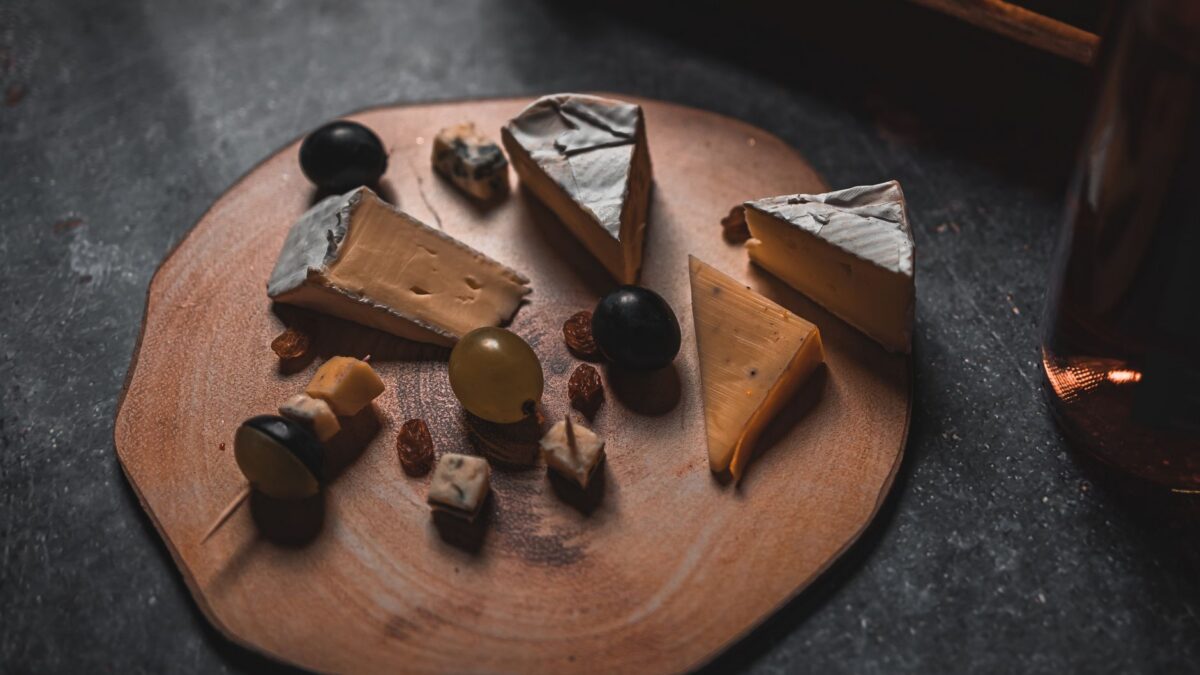
Most healthy dogs can eat a small piece of plain cheese as an occasional treat. Cheese is not toxic, but it is high in fat and salt, and some dogs have trouble digesting its lactose. A few types, including blue cheese and any cheese flavored with garlic, onion or chives, should not be given to dogs at all.
Is cheese safe for dogs?
Plain cheese in small amounts is safe for most dogs. It contains protein and calcium, and many dogs like it enough that it works well as a training reward or a way to hide a pill. The concern is quantity: cheese is calorie-dense, so a few extra pieces a day can add up to weight gain over time.
Treats of all kinds should make up only a small share of a dog’s daily calories, with the balance coming from complete dog food. Dogs with a history of pancreatitis, obesity or kidney disease should not be given cheese without a veterinarian’s approval.
Can dogs digest lactose?
Many adult dogs make less of the enzyme that digests lactose, the sugar in milk, so dairy can cause gas, loose stools or vomiting in some of them. Cheese generally contains less lactose than milk, and hard aged cheeses such as cheddar and Swiss have the least. Even so, some dogs react to a small piece.
When trying cheese for the first time, offer a very small piece and watch for stomach upset over the next day. If a dog has diarrhea or vomiting, stop feeding it and talk to a veterinarian.
Why do fat and salt matter?
A fatty snack can trigger pancreatitis, a painful inflammation of the pancreas, in susceptible dogs. Signs include vomiting, belly pain, a hunched posture and loss of appetite, and the condition needs veterinary care. Small breeds and dogs that have had it before are at greater risk.
Salt is the other concern. Processed and brined cheeses can be very salty, and too much sodium is hard on dogs, especially those with heart or kidney problems. Choosing lower-fat, lower-sodium options helps. The same logic explains why holiday ham is a poor treat for dogs.
Which cheeses are better, and which should you avoid?
Better choices are plain, low-fat and low-salt:
- Mozzarella, in small pieces.
- Cottage cheese, plain and low-fat.
- Swiss and other plain hard cheeses, in tiny amounts.
Avoid these:
- Blue cheeses such as Roquefort, because the mold can produce a substance called roquefortine C, which dogs can react to with vomiting, diarrhea or tremors.
- Cheese with garlic, onion, chives or herbs mixed in, since garlic and onion are harmful to dogs.
- Cream cheese spreads and dips with added flavorings, which often contain onion or garlic.
- Cheese with grapes, raisins, nuts or other add-ins. Grapes and raisins can harm dogs even in small amounts, as the article on grapes and raisins explains.
- Moldy cheese or cheese rinds with wax or coatings.
How much cheese can a dog have?
For most dogs, a pea-sized to thumbnail-sized cube is enough for a treat, with a bit more for large breeds. Very small dogs should get even less. Count it as part of the daily treat allowance instead of adding it on top, and cut back on other food if cheese becomes a regular habit.
When hiding medication, use a tiny amount, and ask the veterinarian or pharmacist whether the drug can be given with dairy, since some medicines should not be.
What should you do if a dog eats a lot of cheese?
A dog that sneaks a large amount, especially a rich or flavored cheese, may develop stomach upset. Call a veterinarian if vomiting, diarrhea or belly pain continues, or right away if the cheese contained garlic, onion, or mold. For a possible poisoning, the ASPCA Animal Poison Control Center offers guidance, and an emergency vet is the right call for severe symptoms.
Quick answers
Can puppies eat cheese?
Puppies can have a tiny amount of plain cheese, but their digestive systems are sensitive and their diets matter for growth. Ask a veterinarian before adding treats.
Is cottage cheese good for dogs?
Plain, low-fat cottage cheese in small spoonfuls is a common choice, since it is lower in fat and often lower in lactose than many cheeses. Pick a version without added flavors or chives.
Can dogs eat string cheese?
Plain string cheese is mozzarella, so a small piece is usually fine. It is salty, so keep portions small and cut it into pieces a dog cannot choke on.
What other human foods are safe for dogs?
Many plain fruits and vegetables work as low-fat treats. See the list of fruits and vegetables dogs can eat for safe options and the ones to skip.