Why Is My Dog Licking or Chewing His Paws? Causes and How to Stop It
Paw licking can come from allergies, pain, skin infection or boredom. Learn the common causes, what you can check at home and when to see your vet.
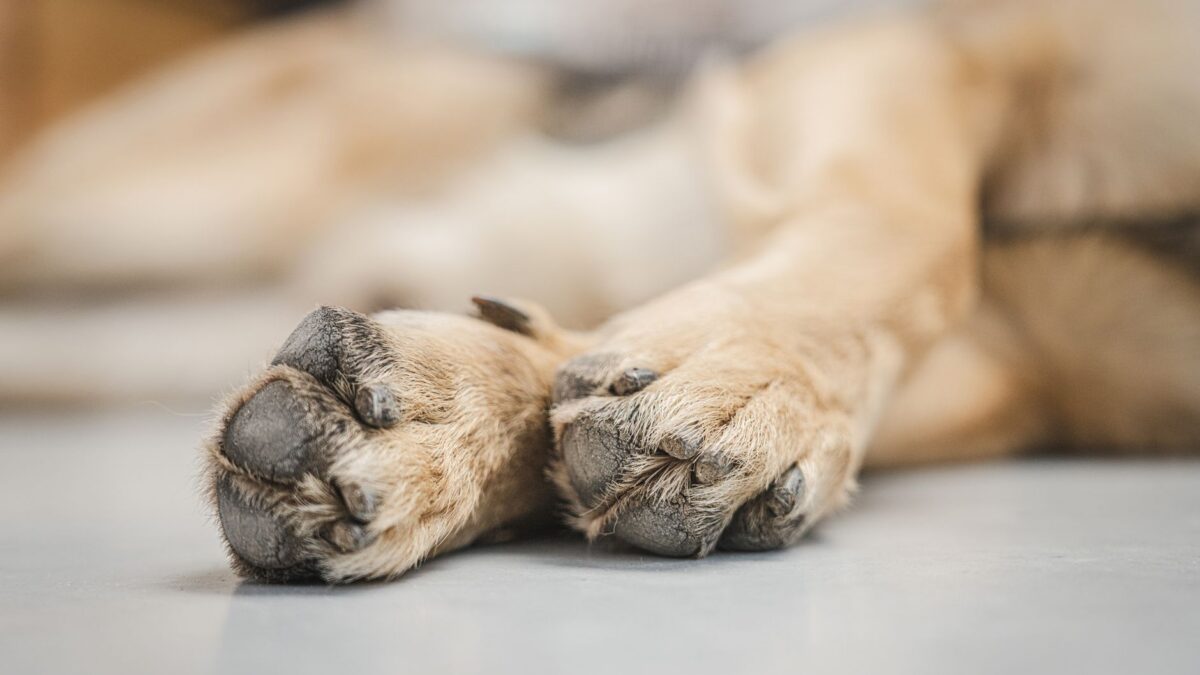
Dogs lick their paws now and then as part of normal grooming, but frequent or intense licking and chewing usually means something is bothering them. The most common causes are allergies, skin infections, a foreign object or injury, pain, parasites and boredom or anxiety. Because several of these look alike, a vet visit is the surest way to find the cause, especially if the licking lasts more than a few days or the skin looks red, swollen or sore.
Normal licking versus a problem
Short licking after a walk or a meal is usually nothing to worry about. Take it seriously if you notice any of these:
- Licking or chewing that goes on for long stretches or wakes the dog at night.
- Red, swollen or moist skin between the toes or around the nails.
- Brown or rust-colored staining of the fur on the paws, which comes from saliva.
- A bad or yeasty smell from the paws.
- Limping, holding up a paw, or flinching when you touch it.
- Hair loss, scabs or open sores.
Allergies: the most common cause
Allergies are a leading reason for itchy paws. Dogs with environmental allergies, such as to pollen, dust mites or mold, often itch their feet, ears, belly and face. Food allergies can cause the same signs, sometimes with ear infections or stomach upset. If the licking is seasonal, pollen may be involved. If it happens all year, indoor allergens or food are more likely.
Only a vet can sort out which allergy is behind it. Food problems are usually checked with a carefully supervised elimination diet, not by switching foods at random. Your vet may also suggest allergy medication, medicated shampoo or other treatment, so avoid giving human medicines unless your vet tells you to.
Skin infections and yeast
Constant licking keeps the skin damp, which lets bacteria and yeast grow. This creates more itching, so the dog licks even more. Signs include redness, a musty or sweet smell, greasy brown discharge and dark, thickened skin. These infections often start because of an allergy, so both need treatment. A vet may take a skin sample and prescribe medicated wipes, shampoo or other treatment.
Injury, foreign objects and pain
A cut pad, a split nail, a thorn, a grass seed or a small stone between the toes can all cause focused licking of one paw. Check gently between the toes and under the pads. Do not dig out anything that is deep or stuck, and see a vet for anything embedded.
Pain elsewhere can also show up as paw licking. Dogs with joint trouble, such as arthritis, may lick the sore joint or the paw below it. Older dogs that start licking or lose their appetite may need a pain check; our article on senior dogs that stop eating explains why vets look for pain first.
Parasites and contact irritation
Fleas, mites and other parasites can cause itching that dogs chase with their mouths. Ask your vet about a suitable parasite preventive. Dogs can also react to what they walk on: lawn products, de-icing salt, floor cleaners and rough pavement. If the licking begins after a walk, rinse or wipe the paws with lukewarm water, dry them well, and note what the dog walked through.
Boredom, stress and habit
When a vet has ruled out medical causes, licking may be a way to cope with boredom, anxiety or too little exercise. Dogs that lick mainly when left alone, during storms or when the household is stressed may be soothing themselves. This can become a habit that is hard to break, and it can also cause sores of its own.
Helpful steps include more daily exercise, sniffing walks, puzzle feeders and chew toys, along with short training sessions. A calm routine helps too. Our guide on finding the cause of barking and using kind fixes uses the same approach: find the trigger first, then change the routine.
What you can do at home
- Look at the paws in good light: between the toes, the pads and around each nail.
- Rinse with lukewarm water after walks and dry well, including between the toes.
- Keep nails and fur trimmed so debris does not collect.
- Prevent damage. A soft recovery cone or a dog bootie may stop licking while you wait for the appointment. Remove any bootie if the dog seems distressed.
- Offer a distraction such as a safe chew or a lick mat, and see frozen dog treats with safe ingredients for ideas.
- Write down when the licking happens, which paws are involved, and any changes in food, products or routine. This helps your vet.
When to call your vet
Book a visit if licking continues for more than a few days, if the skin is broken, swollen or smelly, if the dog limps, or if you suspect a foreign object. Call sooner for sudden severe swelling, bleeding, or a dog that cannot walk normally. If you think your dog licked something toxic from the floor or yard, call an emergency vet or the ASPCA Animal Poison Control Center right away. Do not try to diagnose or treat infection with home remedies.
Quick answers
Is it normal for a dog to lick his paws every day?
A little grooming is normal. Licking every day for long periods is not, and it suggests allergy, pain, infection or boredom that needs checking.
Why are my dog’s paws stained red or brown?
Saliva stains light fur reddish brown. It shows that the licking has been going on for a while, but it does not say why, so ask your vet to look.
Can I use human creams on my dog’s paws?
Not without asking your vet. Dogs lick the product off and some ingredients are harmful if swallowed.
Does licking mean he is just showing affection?
Dogs also lick people to show affection or get attention, which is different from licking their own paws. If you are curious about that, see why dogs lick people so much.