Safe Holiday Gifts for Dogs and Cats: Toys, Chews and What to Skip
Safe holiday gifts for dogs and cats are size-matched toys, puzzle feeders and chews you can dent with a thumbnail. See picks by size and what to avoid.
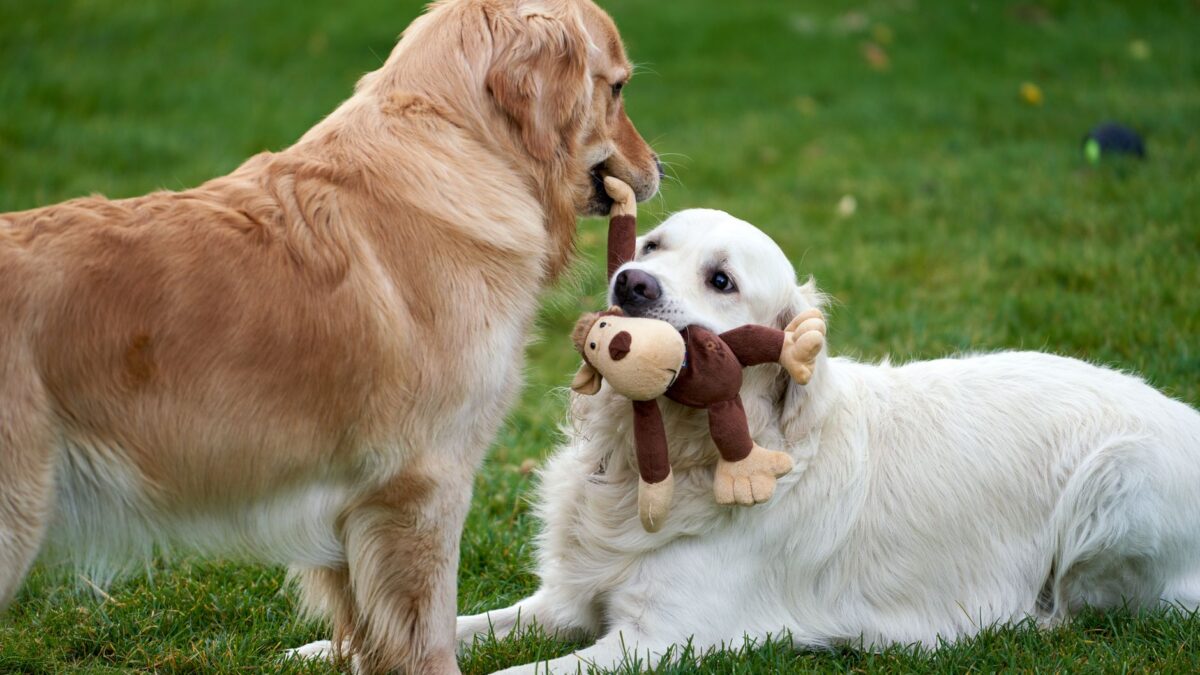
The safest holiday gifts for dogs and cats are toys sized to the pet’s mouth, durable enough to resist being torn apart, and free of small parts that can be swallowed. For dogs, that means rubber toys, rope toys used under supervision and chews you can dent with a thumbnail. For cats, it means wand toys, kickers, crinkle balls and puzzle feeders, with strings and ribbons kept out of reach when no one is playing.
Size matters more than the label on the package. A toy that suits a 60-pound (27 kg) retriever can be a choking hazard for a 10-pound (4.5 kg) terrier, and the reverse is also true.
How do I pick a safe toy for my dog’s size?
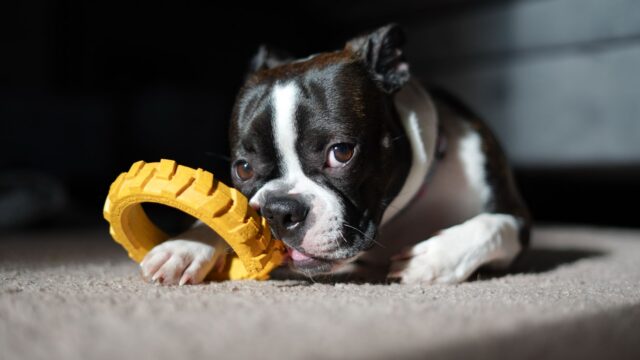
Choose a toy that is too large to fit fully inside the back of your dog’s mouth and too big to swallow whole. For small dogs, look for soft rubber balls and plush toys without button eyes or plastic noisemakers that can be pulled out. For medium dogs, solid rubber toys and treat-dispensing toys are common picks. For large dogs, thick rubber toys and large knotted rope toys hold up better, and tennis-style balls should be big enough that the dog cannot close its jaws around them.
Check the toy before every use. Cracks, chunks missing and loose seams are signs it should be thrown away. If your dog destroys toys in minutes, the guide to safe dog toys for heavy chewers covers materials and sizing in more depth.
Which chews are safest for dogs?
Chews that bend slightly when pressed are generally safer than very hard ones. A widely used rule of thumb is the thumbnail test: if you cannot press a dent into the chew with your thumbnail, it is hard enough to risk a broken tooth. That rule excludes real bones, antlers, hooves and hard nylon bones for many dogs.
Whatever you give, pick the size for the dog’s weight, supervise the first sessions and take away the leftover piece when it gets small enough to swallow. Rawhide, bully sticks and dental chews can all cause digestive blockages in some dogs, so ask your veterinarian which type suits your dog, especially if the dog gulps food or has had stomach problems.
What are the best toys for cats?
Cats like toys that copy prey: things that move, rustle and can be chased and pounced on. Good gift ideas include:
- Wand toys, which you hold and put away after play
- Kicker toys filled with catnip or silvervine for cats that like to grab and bunny-kick
- Crinkle balls and lightweight balls that roll easily
- Puzzle feeders and treat balls that make a cat work for its food
- Cardboard scratchers and boxes
Pick toys larger than a cat can swallow and skip any with glued-on parts. Store wand toys with their strings out of reach after play, because a cat that swallows string can need emergency surgery.
What should I avoid buying for dogs and cats?
Skip these items, no matter how festive they look:
- Ribbon, tinsel, yarn and string, which pets swallow and which can cause serious intestinal problems
- Toys with small removable pieces such as bells, buttons, plastic eyes and squeakers on cheap plush
- Very hard chews, including bones, antlers and hooves for dogs that chew hard
- Rawhide or chews of unknown source for dogs that bolt food
- Balls small enough to lodge in a dog’s throat
- Chocolate, xylitol-sweetened treats, grapes and raisins as “gifts,” because these are poisonous to dogs
Holiday decorations deserve the same care. Lilies, mistletoe, holly and poinsettia can all harm pets, and the article on plants toxic to cats and dogs lists safer alternatives.
What if my pet swallows part of a toy or something toxic?
Call your veterinarian or an emergency vet right away. Do not wait for symptoms to show, and do not try to make the pet vomit unless a vet tells you to. For possible poisoning, the ASPCA Animal Poison Control Center runs a hotline staffed by veterinary toxicologists, and a consultation fee may apply. Keep the packaging with you so the vet can see what the toy or treat was made of.
Are there gifts that are not toys or chews?
A new bed, a harness that fits, a puzzle feeder, a cat tree or a scratching post all make useful gifts. In cold weather, a coat suits some dogs, and the guide on whether dogs need coats in winter explains which breeds and sizes benefit. Treats are fine in small amounts if they are made for the species. Avoid giving human holiday food as a present.
Whatever the gift, introduce it with supervision. Watch how your pet plays for the first few sessions. Toys with rope, string or small parts should come out only when you are home to watch. For more on pet health and safety, the American Veterinary Medical Association publishes guidance for owners.
Quick answers
How often should I replace dog toys?
Replace a toy as soon as it cracks, loses pieces or shows exposed stuffing. A rubber toy that looks intact can still be fine, but any damage that creates a loose piece is a reason to discard it.
Is catnip safe for cats?
Catnip is generally considered safe for cats, and the reaction usually lasts several minutes. Not every cat responds to it, and kittens often do not react. Silvervine is a common alternative for cats that ignore catnip.
Can I give my dog a rope toy?
Yes, with supervision. Remove the toy if your dog starts to pull strands off and swallow them, because the strands can cause an intestinal blockage.
Are stuffed toys safe for dogs?
Plush toys are fine for gentle chewers when they have no hard plastic parts. Dogs that rip toys open should get rubber toys instead, since the stuffing can be swallowed.