Do Dogs Need Coats in Winter? Breeds and Sizes That Benefit
Small, short-haired, thin, young and senior dogs usually need a coat in winter; thick double-coated breeds rarely do. How to tell, fit and choose one.
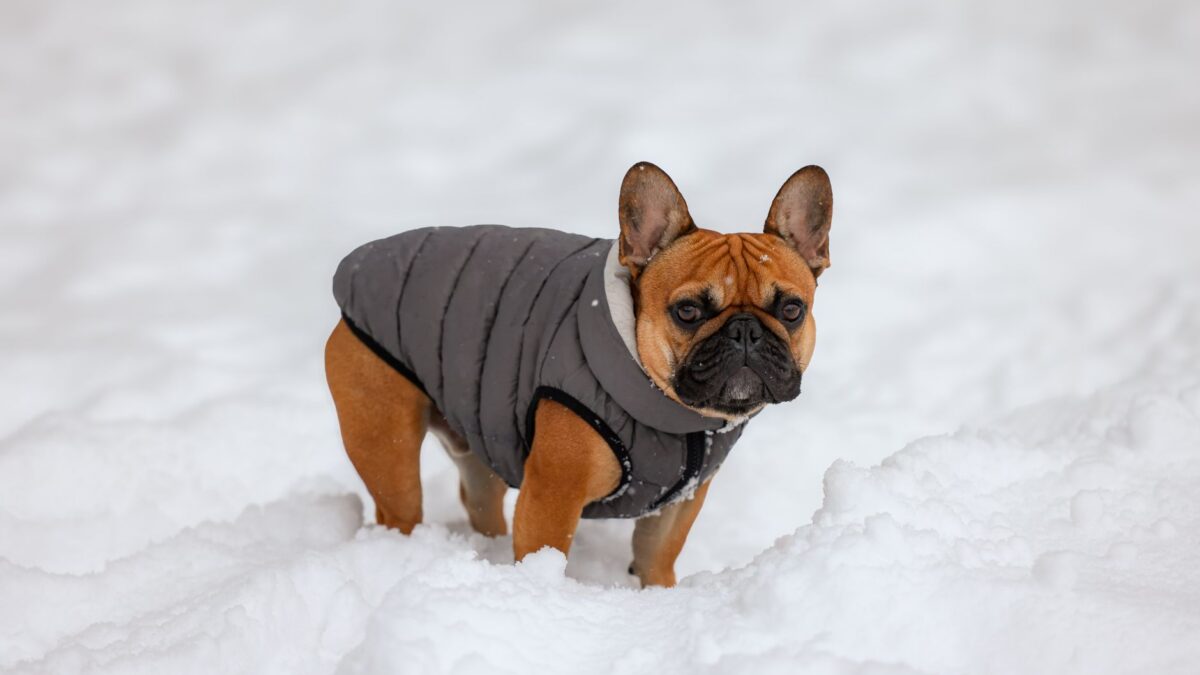
Many dogs do not need a coat in winter, but small dogs, short-haired breeds, lean breeds like Greyhounds and Whippets, puppies, seniors and dogs with health problems usually benefit from one once temperatures drop below about 45°F (7°C). Thick double-coated breeds such as Huskies, Malamutes and Bernese Mountain Dogs are built for cold and rarely need extra layers. A coat helps most during walks in cold, wet or windy weather; it does not make it safe to leave any dog outside for long periods.
Which dogs need a coat in winter?
Dogs that lose body heat quickly gain the most from a coat. Heat loss depends on body size, coat type, body fat, age and health. The dogs most likely to need one are:
- Toy and small breeds, such as Chihuahuas, Yorkshire Terriers, Miniature Pinschers and toy Poodles, because a small body has more surface area for its weight and cools faster.
- Short, single-coated breeds, such as Boxers, Dobermans, Boston Terriers, Pit Bull types and Dachshunds, which have no insulating undercoat.
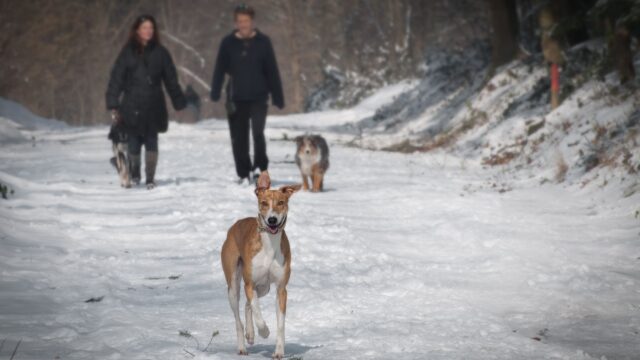
- Lean sighthounds, such as Greyhounds, Whippets and Italian Greyhounds, which have thin coats and very little body fat.
- Hairless or nearly hairless breeds, such as the Chinese Crested and Xoloitzcuintli.
- Dogs with a fresh short haircut, even if the breed normally grows a heavy coat.
- Short-legged dogs, whose bellies sit close to snow and wet ground.
Which breeds usually do not need one?
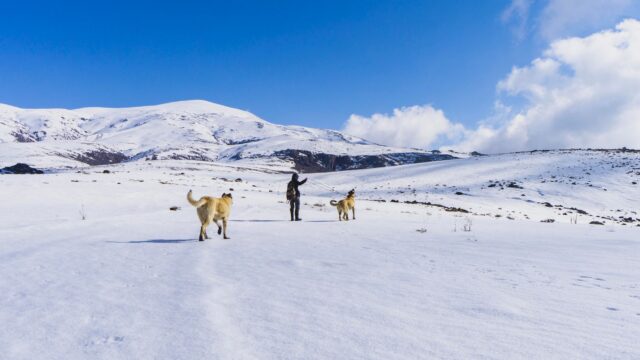
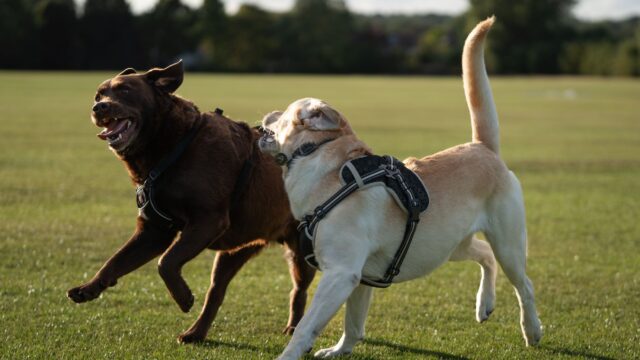
Breeds developed for cold climates have a dense undercoat and a weather-resistant outer coat that trap warm air close to the skin. Siberian Huskies, Alaskan Malamutes, Samoyeds, Akitas, Newfoundlands, Great Pyrenees, Saint Bernards and Bernese Mountain Dogs fall into this group. A coat on these dogs can cause overheating during exercise and can flatten the fur that keeps them warm. Medium and large dogs with moderate double coats, such as Labrador and Golden Retrievers or German Shepherds, are usually comfortable on ordinary winter walks without one.
At what temperature should a dog wear a coat?
A common rule of thumb is that small, thin-coated and vulnerable dogs may need a coat below about 45°F (7°C), many more dogs feel uncomfortable below about 32°F (0°C), and all dogs face real risk of hypothermia and frostbite below about 20°F (-7°C). These are rough guides. Wind chill, rain, wet snow and how long you stay out matter as much as the number on the thermometer. A damp dog loses heat far faster than a dry one. For a fuller breakdown by size, coat and age, see the guide on how cold is too cold for dogs.
Do puppies, senior dogs and sick dogs need extra protection?
Yes, puppies and older dogs regulate body temperature less well than healthy adults. Dogs with arthritis, heart disease, kidney disease, diabetes, hypothyroidism or Cushing’s disease can also struggle in the cold, and cold weather can make stiff joints more painful. If your dog has a medical condition, ask your veterinarian whether a coat, shorter walks or both make sense. The American Veterinary Medical Association publishes cold weather safety advice for pet owners.
How can you tell a dog is too cold?
Shivering is the most common sign a dog is getting cold. Other signs include:
- Lifting paws off the ground or refusing to keep walking
- A hunched posture with the tail tucked
- Whining, anxiety or trying to head home
- Slowing down, weakness or seeming sleepy
- Ears, tail tip or paws that feel very cold to the touch
Severe shivering that stops, weakness, confusion, pale or grey skin, or skin that looks waxy or blistered can mean hypothermia or frostbite. Warm the dog gradually with dry blankets and call your veterinarian or an emergency vet right away. Do not rub frostbitten areas or use a heating pad on high.
How should a dog coat fit?
A good coat covers the back from the base of the neck to the base of the tail and wraps under the chest and belly, where many short-coated dogs have thin fur. Measure your dog before buying:
- Measure back length from the base of the neck (where a collar sits) to the base of the tail.
- Measure the chest girth around the widest part of the rib cage, just behind the front legs.
- Measure the neck around where the collar rests.
- Compare with the maker’s size chart and choose the larger size if your dog falls between two.
You should be able to slip two fingers under the coat at the neck and chest. The coat should not rub under the front legs, restrict the shoulders or cover the area where a male dog urinates.
What kind of coat works best?
The right coat depends on the weather where you live. A waterproof or water-resistant shell suits rain and wet snow. A fleece or insulated coat suits dry cold. In very cold, wet conditions, an insulated coat with a waterproof outer layer covers both. Look for these features:
- Easy fastening, such as hook-and-loop straps or buckles, so you can put it on quickly
- A belly panel for short-legged and thin-coated dogs
- Reflective trim for dark winter mornings and evenings
- A harness opening if you walk your dog on a harness
- Machine-washable fabric
Take the coat off once you are back indoors so your dog does not overheat, and dry it before the next walk. A wet coat left on a dog makes it colder.
What else keeps a dog safe on winter walks?
Paws need attention as much as the body. Road salt and de-icers can irritate pads and can be harmful if licked, and snow can pack into balls between the toes. The guide to winter paw care, booties and balm covers how to deal with both. Shorter, more frequent walks often work better than one long outing in cold weather, and indoor play can make up the difference; the guide on how much exercise a dog needs lists typical amounts by age and breed type. Keep antifreeze out of reach and wipe up spills, since it is poisonous to dogs. If you think your dog has swallowed antifreeze or a de-icer, call your veterinarian or the ASPCA Animal Poison Control Center right away.
Quick answers
Do dogs need coats in the rain?
Short-coated and small dogs often benefit from a light waterproof coat in cold rain, because wet fur loses its insulation. Thick-coated breeds usually just need a towel-dry afterward.
Should a dog wear a coat indoors?
No, most dogs should not wear a coat indoors in a heated home. A thin sweater can help a hairless or very thin dog in a cold room, but watch for panting or restlessness, which are signs of overheating.
Can a dog sleep in a coat?
It is better to remove the coat at night and offer a warm bed and blanket instead. An unsupervised dog can get tangled in straps or overheat.
Is a sweater the same as a coat?
A knit sweater adds warmth in dry cold but soaks through in rain or snow. For wet weather, a coat with a water-resistant outer layer works better.