Pet Camera vs Indoor Security Camera: Which Is Better for a Pet?
A pet camera suits most owners better than a security camera because of two-way audio and pet alerts. Compare features, privacy and cost.

A pet camera is the better choice for most owners who want to watch a dog or cat while away, because it is built around pet needs: two-way audio, a wide view of the floor, and often alerts for barking or movement. An indoor security camera is the better choice when the same device also has to watch doors, windows and valuables. Many models do both jobs reasonably well, so the right pick depends on what you want to check on and how much you want to spend each month.
What is the difference between a pet camera and a security camera?
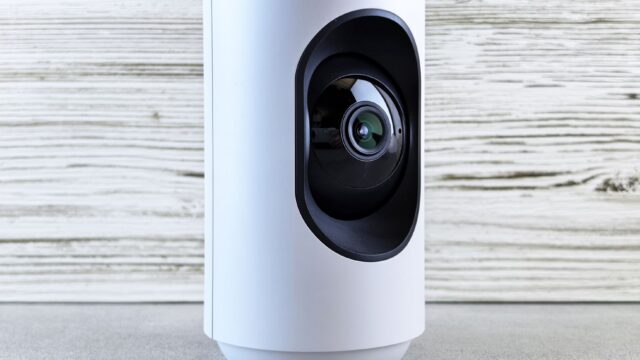
A pet camera is designed to show how an animal is doing at home. Typical features are a wide-angle lens, a speaker and microphone so you can talk to the pet, night vision, and sometimes a treat dispenser or laser toy. Some send a notice when they hear barking or see the pet move.
An indoor security camera is designed to detect people and unusual activity. It usually offers motion alerts, recorded clips, person detection and integration with a wider home security system. Many also have a speaker and microphone, so the line between the two types is thinner than it was.
Which one is better for a dog with separation anxiety?
A pet camera with two-way audio and bark alerts is usually the more useful tool. It lets you see whether the dog is pacing, panting, destroying things or settling down, and hear it as well. If you are working with a veterinarian or trainer, a few clips of what happens after you leave can help them judge what is going on. The ASPCA publishes guidance on behavior problems, and your veterinarian is the right person to ask when a pet shows distress.
A camera cannot treat anxiety. Treat tossing and talking through the speaker can calm some dogs and excite others, so watch how your own dog responds.
Which one is better for a cat?
Cats spend long stretches asleep or hidden, so a wide view and a clear picture in low light matter more than treat features. A security camera with a good night mode can work well,. Placement counts. Put the camera where the cat spends time, such as near a window perch, a feeding area or the litter box zone, and keep it out of reach so it cannot be knocked off a shelf.
What features should you compare?
- Field of view: a wider lens covers more of a room, which helps with an active dog.
- Two-way audio: useful for calming a pet and for checking on sounds in the house.
- Night vision: needed for a pet that is active early or late.
- Alerts: pet cameras may detect barking or pet movement, while security cameras detect motion and people. Too many alerts get ignored.
- Storage and subscription: some cameras record to a memory card, others need a paid plan for cloud clips. The guide on pet cameras without a subscription explains what is usually free and what costs extra.
- Treat dispenser: only a feature on some pet cameras, and it needs refilling and some care with portions.
For a longer checklist, see how to choose a pet camera.
What about privacy and safety?
Any camera connected to the internet sends video through an account, so use a strong, unique password and turn on two-step verification if the app offers it. Update the camera software when updates are available. Point the lens away from bedrooms and bathrooms, and tell guests, house sitters and cleaners that a camera is in use. Keep cords out of a pet’s reach, since chewed cables are a hazard, and place the camera where a curious pet cannot pull it down.
Which should you buy?
Choose a pet camera if the pet is the main reason you want video, especially for a dog that barks, a puppy, or an animal with anxiety. Choose a security camera if you also want to monitor entrances or keep a record of who comes in. If you already own a security camera, try it first with a pet in mind: check the view, the night picture, whether it has two-way audio, and whether alerts can be set to avoid constant notices.
Quick answers
Can an indoor security camera work as a pet camera?
Yes, if it has a wide view, night vision and a speaker. It may lack pet-specific alerts or treat features.
Do pet cameras need a subscription?
Not always. Live viewing is often free, while saved clips and smart alerts may need a paid plan on some brands. Check the terms before buying.
Can a camera replace a pet sitter or a break during the day?
No. A camera shows what is happening but cannot feed, walk or comfort an animal. Pets that are left alone for long hours still need company and care.
Can a camera help me spot illness?
It can show changes in eating, drinking or movement that you may want to mention to your veterinarian. It does not diagnose anything.