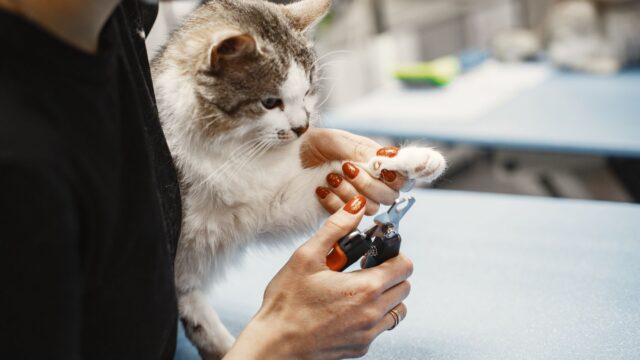
Wellness Plans vs Pet Insurance: What Each Pays For
A wellness plan covers routine care such as vaccines and exams. Pet insurance covers accidents and illness. Here is when you need one or both.
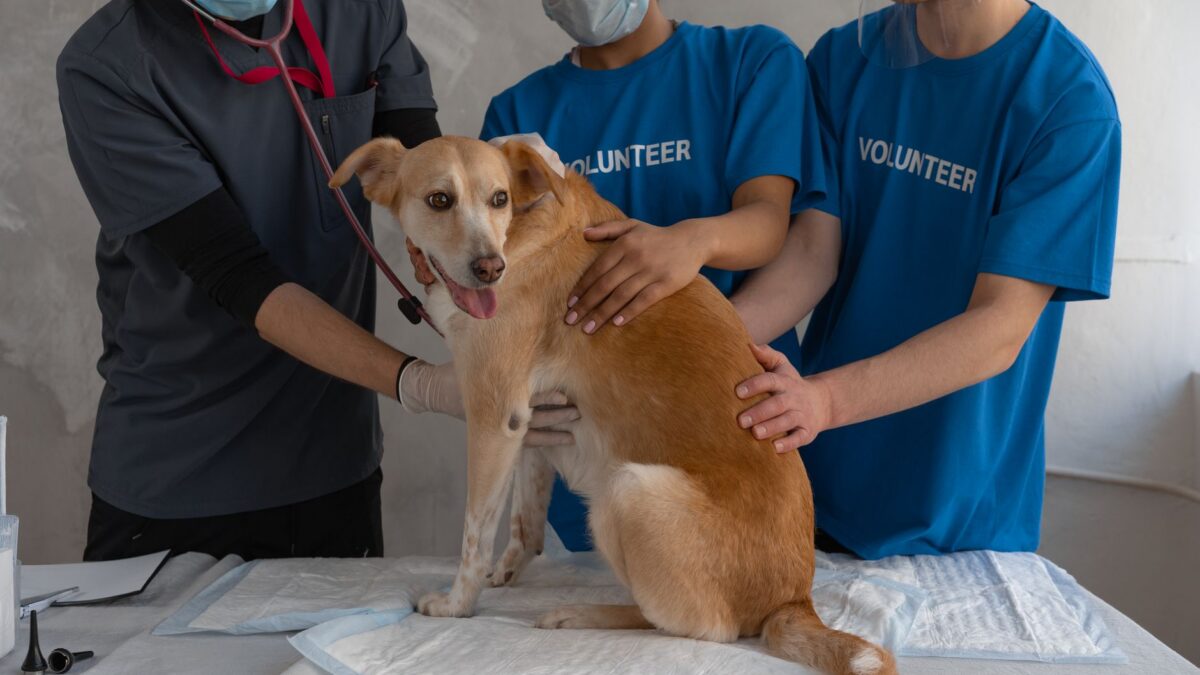
A wellness plan pays for routine, predictable care such as vaccines, annual exams and flea and tick prevention. Pet insurance pays for unexpected accidents and illnesses, usually after you meet a deductible. Insurance protects you from a large, sudden bill, and a wellness plan spreads out costs you can already predict, so the two do different jobs and you can own either one alone.
What does a wellness plan pay for?
A wellness plan covers preventive care that nearly every healthy pet needs. The usual list includes:
- Annual or twice-yearly physical exams
- Core vaccinations
- Heartworm, flea and tick prevention
- Fecal and heartworm tests
- Teeth cleaning, in some plans
- Spay or neuter surgery, in some plans
Each plan sets its own list, so read the schedule of services before you pay. Wellness plans do not pay for treating a sick or injured pet. A broken leg, an ear infection or a swallowed sock falls outside them.
What does pet insurance pay for?
Pet insurance reimburses part of the vet bill for accidents and illnesses that happen after your policy starts. You pay the vet first, submit a claim, and the insurer returns a percentage of the eligible cost once your deductible is met. Typical covered events are broken bones, poisoning, cancer, infections and chronic conditions that begin after the waiting period ends.
Policies leave out pre-existing conditions, and many exclude or limit dental care, cosmetic procedures and routine care. Our guide to what pet insurance covers and excludes goes through those limits item by item. If cost is the concern, accident-only and comprehensive policies differ in how much they pay for illness.
Is a wellness plan the same as a wellness add-on to insurance?
The two products carry the same name but work differently. A wellness plan from a veterinary clinic is usually a membership: you pay a monthly or yearly fee and the clinic provides a set list of services at that price or at a discount. A wellness add-on, sometimes called a rider, is sold by an insurer alongside a policy. It reimburses routine services up to a fixed dollar amount for each item, such as a set amount for vaccines and another for an exam.
Neither product transfers the risk of a surprise emergency. A clinic plan applies only at that clinic, while an insurer add-on lets you use any licensed veterinarian. Ask about cancellation terms, because some clinic plans charge fees if you stop paying before the term ends.
Do you need both a wellness plan and pet insurance?
You do not need both. Insurance is the product that protects your savings from a major vet bill, so it is the one most owners consider first. A wellness plan is worth adding only if its price is close to or below what you would spend on the included services anyway.
Add up a year of routine care for your pet: exams, vaccines, parasite prevention and any dental cleaning your vet recommends. Compare that total with the yearly cost of the plan. If the plan costs more than the services you would use, you are paying extra for the convenience of a smooth monthly payment. If the plan costs about the same or less, it works as a budgeting tool and can be worth having.
Which owners get the most from each option?
Owners with a young pet often use the most routine care, because puppies and kittens need a series of vaccines and visits in their first months. Our page on pet insurance for puppies explains why buying insurance early can also avoid pre-existing condition exclusions.
A few situations point toward each choice:
- Insurance first: you could not pay a bill of several thousand dollars from savings, or your pet belongs to a breed prone to costly conditions.
- Wellness plan first: you want fixed monthly costs, your pet is healthy and you have savings set aside for emergencies.
- Both: you want predictable routine costs and protection against emergencies, and the combined price fits your monthly budget.
- Neither: you keep a dedicated pet savings account large enough to cover an emergency.
To see what premiums look like, read the current figures on pet insurance cost per month, and use the steps in how to compare pet insurance plans to check deductibles, reimbursement rates and annual limits.
What mistakes do owners make with these plans?
The most common mistake is assuming a wellness plan will help with an emergency. It will not, because it lists only preventive services. A second mistake is waiting to buy insurance until the pet is sick, since any condition that shows signs before the policy starts or during the waiting period is usually excluded.
Other errors are easy to avoid:
- Skipping the list of covered services and finding out at checkout that a vaccine or test is missing.
- Paying for a clinic plan, then moving or switching vets and losing the benefit.
- Choosing a low monthly premium without checking the annual limit and deductible.
- Forgetting that insurance reimburses after you pay, so you need cash or credit to cover the first bill.
Your veterinarian can estimate routine costs for your pet’s age and breed. The American Veterinary Medical Association also publishes resources for owners on pet health care.
Quick answers
Does pet insurance cover vaccines and checkups?
Standard accident and illness policies generally do not. Routine care is paid by a wellness add-on, if you buy one, or out of pocket.
Can I buy a wellness plan without insurance?
Yes. Many veterinary clinics sell their own membership plans to anyone, and insurers that sell wellness add-ons usually require a base policy first.
Are wellness plans tax deductible?
Rules differ by country and by situation, so ask a tax professional. Do not assume that routine pet care qualifies for a deduction.
When should I call a vet instead of checking my plan?
Call the vet right away if your pet is injured, has trouble breathing, collapses or may have eaten something toxic. For poisoning you can also reach the ASPCA Animal Poison Control Center. Sort out the paperwork after your pet is safe.