How to Dog-Proof Your Home: A Room-by-Room Safety Checklist
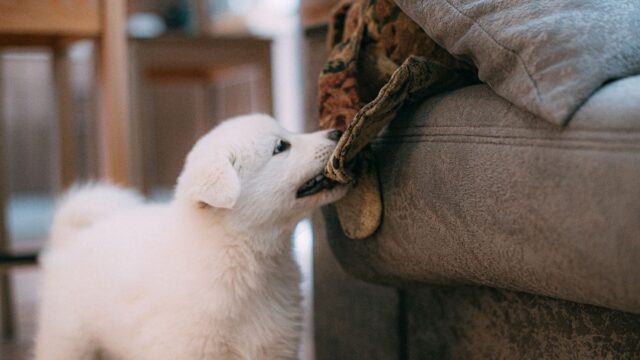
Most household dangers for dogs sit at nose height: medicines, food, trash, cords and chemicals. A 20-minute room-by-room sweep removes the worst of them.
Dog care from puppy to senior: breeds, daily routines, grooming, exercise, costs and the questions new and experienced dog owners ask most.
Most household dangers for dogs sit at nose height: medicines, food, trash, cords and chemicals. A 20-minute room-by-room sweep removes the worst of them.
Check the pet rules, pack your dog's own gear and plan for heat, ticks, wildlife and lake water. Then keep your dog leashed, supervised and close.
There is no single safe number, but a simple temperature chart, adjusted for your dog's size, coat, age and the wind, helps you decide how long to stay out.
Dogs cool themselves mainly by panting, which is not very efficient. Shade, water, smart walk times and never leaving a dog in a car prevent most heat emergencies.
Dental disease is one of the most common problems vets see in dogs. A few minutes of brushing several times a week, introduced slowly, makes a real difference.
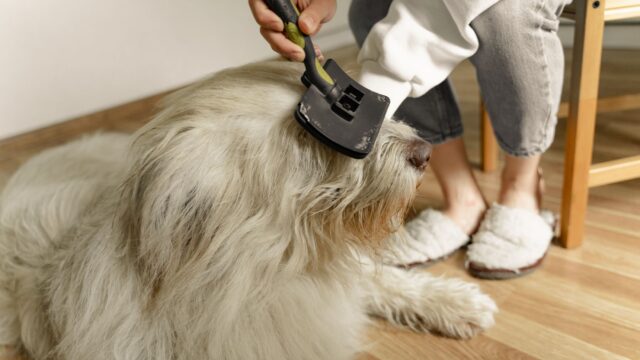
Shedding is a normal part of how a dog's coat renews itself. The key is knowing what is normal for your dog's coat and what looks like a skin or health problem.
The first week sets the tone. Keep it calm, predictable and focused on sleep, potty breaks, gentle training and a first vet visit.
There is no single perfect beginner breed. A good first dog is one whose energy, size, grooming and temperament fit the life you actually live.
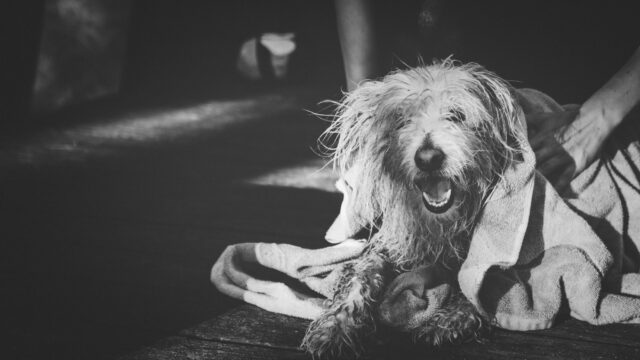
Bathing too often can dry a dog's skin, while too rarely leaves a smelly, matted coat. Here is how to find the right schedule and give a calm, thorough bath.
A calm dog that adapts to neighbors, elevators and shorter walks will do better in an apartment than a tiny dog that barks at every sound.
We use analytics cookies to see which articles are read. No ads cookies. Privacy policy