Senior Cat Yowling: Thyroid, Blood Pressure and Cognitive Decline
A senior cat yowling at night may have hyperthyroidism, high blood pressure or cognitive dysfunction. Signs, vet tests, treatments and how to help at home.
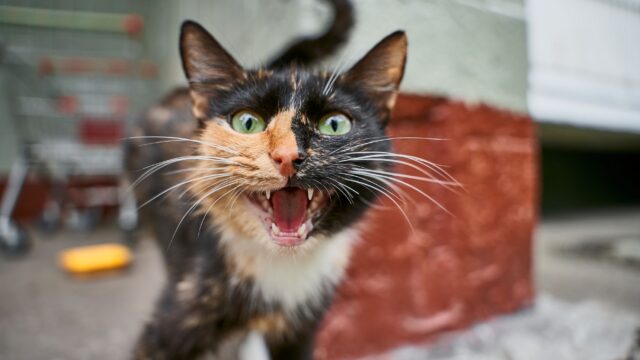
An older cat that starts yowling, especially at night, often has a medical cause. Night-time vocalizing is relatively common in cats with an overactive thyroid or high blood pressure, and it is also a sign of feline cognitive dysfunction, the cat version of age-related dementia. A veterinarian can test for all three, and each one has treatment that can ease the noise and the illness behind it.
If the yowling comes on suddenly together with blindness, seizures, loss of balance or confusion, call your veterinarian or an emergency vet the same day.
Why do senior cats start yowling?
Three conditions top the list for older cats. According to the Wikipedia overview of feline cognitive dysfunction, night-time vocalizing is relatively common in hyperthyroid cats and in cats with hypertension. High blood pressure can also detach the retina and cause blindness, which leaves a cat anxious and confused. Cognitive dysfunction itself can bring insomnia and more crying at night for no clear reason.
Other problems can look similar. Arthritis can stop a cat from reaching the litter box in time, painful dental disease can put it off its food, and pain or poor eyesight can make it seem dazed. That is why a vet rules these out first. Our article on night-time meowing and when to call a vet covers the everyday causes in younger cats too.
Could it be hyperthyroidism?
Hyperthyroidism is a common disease that mostly affects middle-aged and older cats, according to the Cornell Feline Health Center. An enlarged thyroid gland in the neck makes too much of the hormones T3 and T4. In most cases the enlargement comes from a benign tumor called an adenoma; a malignant tumor is rare.
Signs often start subtly and get worse over time. The most common ones are:
- weight loss despite a bigger appetite
- drinking and urinating more
- vomiting or diarrhea
- hyperactivity
- a coat that looks unkempt, matted or greasy
To check, a vet feels the neck for an enlarged gland and may measure heart rate and blood pressure. Blood tests usually follow. Most hyperthyroid cats have a high T4 level, though a small share have a normal reading, so more tests may be needed if the vet still suspects the disease. Because the condition affects the heart and kidneys, Cornell advises a full blood panel and urinalysis as well.
How is an overactive thyroid treated?
Cornell lists four treatment options: medication, radioactive iodine, surgery and diet.
- Anti-thyroid medication controls the disease without curing it. It is widely available and fairly cheap, but it usually means a pill twice a day for life, and some cats get side effects such as vomiting, poor appetite, fever, anemia or lethargy. A gel rubbed on the skin is another option. Regular blood tests check how well it works and how the kidneys are coping.
- Radioactive iodine is the treatment of choice where it is available. It is given as an injection, needs no anesthesia and most often cures the disease; Cornell puts the cure rate at about 95 percent within three months. Most cats have normal hormone levels within one to two weeks. The cat stays in a licensed facility for three to five days, usually without visitors. Up to 50% of treated cats develop some degree of low thyroid function afterward, and about one third of those need hormone supplements.
- Surgery to remove the thyroid often gives a long-term cure but needs general anesthesia and can damage the nearby parathyroid glands, so it is rarely chosen.
- An iodine-restricted diet is the fourth option, mainly for cats whose other health problems rule out the alternatives. Cornell notes that this approach is somewhat controversial.
Could it be high blood pressure?
Hypertension is relatively common in cats and is usually caused by another disease, according to Cornell’s page on feline hypertension. Chronic kidney disease is the most frequent cause: at least 60% of cats with high blood pressure also show signs of it. About 20% of cats diagnosed with hyperthyroidism have hypertension too.
Raised pressure damages the eyes, brain, kidneys and heart. Eye damage is the most common problem, from bleeding at the back of the eye to a detached retina and blindness, which is usually permanent unless treated very quickly. Neurologic signs appear in 15-40% of hypertensive cats, including disorientation, poor balance, seizures, changed behavior or weak legs, and these often improve with early treatment. Heart changes appear in up to 60% of cats.
How do vets measure a cat’s blood pressure?
A vet places a cuff on a front leg or the tail and uses a Doppler or oscillometric device, taking several readings. Because a clinic visit raises pressure on its own, Cornell recommends measuring in a quiet room after the cat has had at least 5-10 minutes to settle, and often repeating it on another day before confirming the diagnosis.
Cornell gives these systolic ranges:
- below 150mmHg: low risk
- between 150 and 180mmHg: mild to moderate hypertension
- above 180mmHg: high risk
Treatment is usually lifelong. The first choice is often amlodipine, a small pill given once a day, with ear gels for cats that will not take pills. Telmisartan or benazepril may be added or used instead, especially when the kidneys leak protein. The aim is to keep pressure below 160mmHg, with regular checks.
What is feline cognitive dysfunction?
Feline cognitive dysfunction is an age-related brain disease that affects awareness, learning, memory and response to the world around the cat. Behavior changes usually show in cats older than 10 years. The main signs are summed up by the acronym DISH: disorientation, fewer social interactions, changed sleep patterns and lost house training. Affected cats may wander as if lost, seem restless, fail to recognize their owners, or cry at night.
The cause is unknown and there is no cure, but the signs can be managed, and early diagnosis gives better long-term results. A vet makes the diagnosis only after ruling out other diseases. Treatment should always be planned with your vet, including any supplement doses. The measures listed include:
- a diet rich in omega-3, with vitamins E, C and B complex
- puzzle and treat-release toys for mental and physical exercise
- supplements such as S-adenosylmethionine or medium-chain triglycerides
- melatonin for night crying and insomnia, on a vet’s advice
- drugs approved for dogs, used off-label in cats
How can you help a yowling senior cat at home?
Once a vet has checked your cat, small changes at home can make nights calmer:
- Keep feeding, play and attention on a fixed daily schedule.
- Talk to your cat and use its name, since a familiar voice can soothe it.
- Add litter boxes that are easy to reach, and ramps if stairs are hard.
- Block off parts of the house that could be dangerous to a confused cat.
- Keep routine vet checkups so changes in weight, eyes or heart sounds are caught early.
Our guide to senior cat care, vet checks and diet covers how often older cats should be seen, and the cat age calculator converts your cat’s age into human years.
Quick answers
Is yowling at night normal for an old cat?
It is common, but it is often a sign of illness such as hyperthyroidism, high blood pressure or cognitive dysfunction, so a vet check is worth booking.
Can high blood pressure make a cat blind?
Yes. Eye damage is the most common result of hypertension in cats, and blindness is usually permanent unless treatment starts very quickly.
Can hyperthyroidism in cats be cured?
Radioactive iodine cures about 95 percent of cases within three months, and surgery often gives a long-term cure. Medication controls the disease without curing it.
Checked against official sources in November 2026. Hours, prices and rules change: confirm on the official page before you go or apply.