Cat Meowing at Night: Causes, Fixes and When to Call a Vet
A cat meows or yowls at night from hunger, boredom, age-related confusion or health problems. Here are the causes, fixes and when to call a vet.
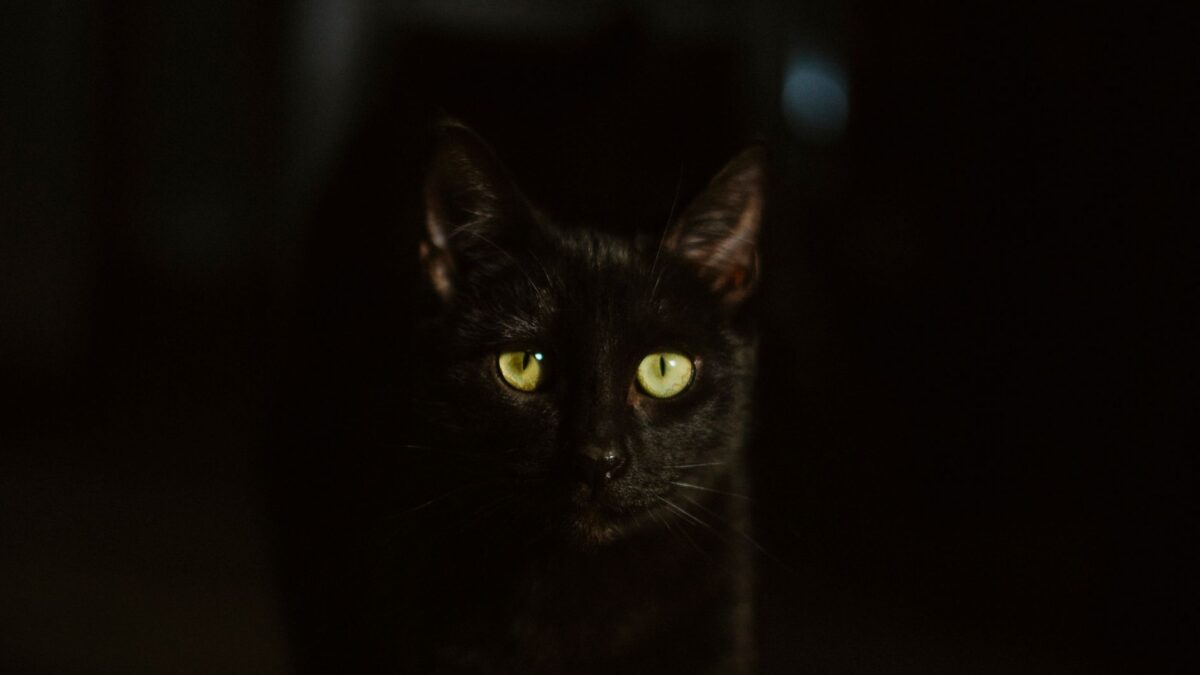
A cat meows or yowls at night because of hunger, boredom, a wish for attention, stress, mating urges, or a medical problem such as pain, an overactive thyroid or age-related confusion. Cats are naturally most active around dawn and dusk, so some night activity is normal. Loud, new or sudden yowling is a reason to call your veterinarian.
The fix depends on the cause. Most healthy adult cats improve with a later meal, an evening play session and a calm response to the noise. Cats with a sudden change in voice or behavior need a vet visit first.
Why does my cat meow at night?
Cats are crepuscular, which means their natural peaks of energy fall around dawn and dusk. A house that goes quiet at 11 p.m. leaves a cat with hours of unspent energy and no hunting to do. The result is often running, pouncing on feet and calling out.
Common reasons include:
- Hunger, especially if the last meal was early in the evening.
- Boredom and too little play during the day.
- A learned habit: if meowing once got food or a cuddle, the cat repeats it.
- Stress from a move, a new pet, a new baby or noises outside.
- Being in heat (unspayed females) or sensing a female nearby (unneutered males).
- Pain, illness or confusion, which are more likely in older cats.
For daytime vocal habits and a wider list of causes, see this guide on why a cat meows so much.
When is night yowling a sign of a medical problem?
Night yowling needs a vet check when it starts suddenly, is much louder than before, or comes with other changes. Several health conditions are known to cause it, and they are most common in middle-aged and senior cats.
- Hyperthyroidism (an overactive thyroid) can cause restlessness, extra hunger, weight loss and loud crying.
- High blood pressure and kidney disease can cause restlessness and increased thirst.
- Pain, such as arthritis or dental disease, can make a cat unable to settle.
- Cognitive dysfunction, a form of dementia in older cats, can cause disorientation, wandering and yowling at night.
- Hearing loss can make a cat call out more loudly without noticing.
Call your veterinarian if the cat also drinks or urinates more, loses weight, hides, stops eating, strains in the litter box, or seems lost in familiar rooms. A cat that is straining to urinate or crying in the litter box needs an emergency vet right away, because a urinary blockage can become life-threatening within hours. If you suspect your cat ate something toxic, contact an emergency vet or the ASPCA Animal Poison Control Center.
Thirst changes are worth tracking. This guide on getting a cat to drink more water may help you notice what normal looks like for your cat.
How do I stop my cat from meowing at night?
The most reliable approach is to meet the cat’s needs before bedtime and then stop rewarding the noise. Work through these steps and give each change a couple of weeks before judging it.
- Rule out health causes with your veterinarian, especially for cats over about 10 years old or any cat whose behavior changed abruptly.
- Play hard in the evening. Two sessions of 10 to 15 minutes with a wand toy or a toy that mimics prey, ending with a slow wind-down, mimic a hunt.
- Feed a meal right after play. A cat that hunts, eats and then grooms follows its natural sequence and tends to sleep afterward.
- Offer a small late snack or use a timed feeder that opens before dawn, so the cat does not wake you for breakfast.
- Keep the cat busy during the day with perches by a window, puzzle feeders and rotating toys.
- Check the basics: a clean litter box, fresh water and a comfortable bed in a quiet spot.
A clean box matters more than many owners expect. Here is a comparison of litter types that are easy to keep clean.
Should I ignore my cat when it cries at night?
For attention-seeking meows from a healthy cat, ignoring the noise is the standard advice, because any reaction teaches the cat that crying works. That includes talking, picking the cat up, feeding it, and even scolding. Wait for a quiet moment before giving attention, and reward calm behavior during the day.
Expect the noise to get worse for a few days before it gets better, since the cat tries harder when a habit stops paying off. Giving in once resets the progress. Never punish a cat for meowing, and avoid spray bottles or shouting, which raise stress and can make the cat more vocal.
Ignoring is only for healthy cats with a clear habit. If the cat seems distressed, disoriented or in pain, check on it and call a vet.
What helps an older cat that yowls at night?
An older cat that yowls at night should see a vet before any behavior plan, because thyroid disease, kidney disease, high blood pressure, pain and cognitive decline all show up this way. Treatment of the underlying condition often reduces the yowling.
Home changes can make a confused senior cat more comfortable:
- Leave a night light on in hallways and near the litter box.
- Keep furniture and food and water bowls in the same places.
- Place a low-sided litter box and a bed on the main floor so the cat does not need to climb.
- Keep a regular routine for meals, play and bedtime.
Your vet can discuss diet changes, medication or supplements for age-related confusion. Do not give human sleep aids or pain relievers to a cat, since many are toxic.
What if my unspayed or unneutered cat is yowling?
A cat that has not been spayed or neutered often yowls loudly at night during mating season. Females in heat call repeatedly, rub on furniture and may crouch with the rear raised. Males call to females they smell or hear outside.
Spaying or neutering is the standard long-term answer and also prevents unplanned litters. Ask your veterinarian about timing. Until then, closing windows and blinds can limit the sights and smells that excite the cat.
Quick answers
Is it normal for a cat to meow at night?
Some night noise is normal because cats are most active at dawn and dusk. Loud, persistent or new yowling is worth raising with a veterinarian.
Should I lock my cat out of the bedroom?
Many owners do, but a cat that is shut out may cry louder at the door. Meeting its needs with evening play and a later meal usually works better, and a cat with a medical cause should never be left to cry it out.
Does a second cat stop night meowing?
Not reliably. A companion can help a lonely cat, but it can also add stress or night-time chasing. Check health and routine first.
Why does my cat stare at me while meowing?
Staring plus meowing is usually a request for food, play or attention. This article on why cats stare explains what else it can mean.