36 Percent of US Dog and Cat Owners Use AI for Pet Care
A HABRI and Chewy Health survey of 2,008 U.S. dog and cat owners found 36 percent have used AI for pet care, and many say it improves vet visits.
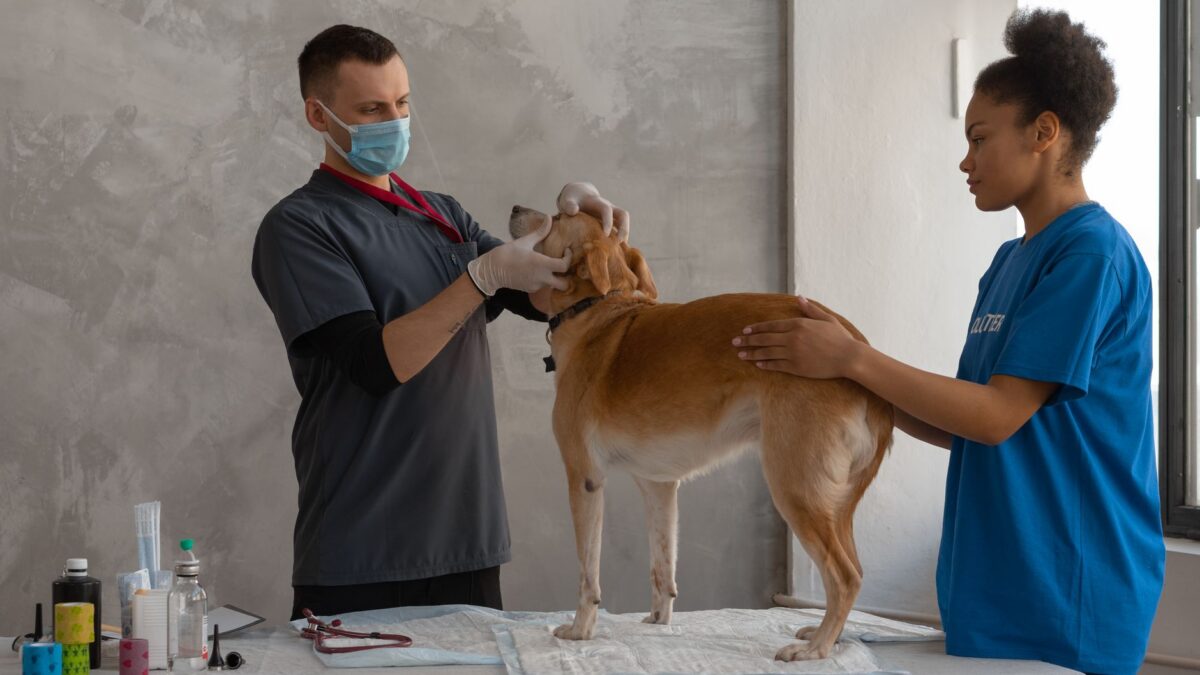
More than a third of U.S. dog and cat owners have used artificial intelligence for pet care, and most of those with a veterinarian say it has improved the relationship, according to a study by the Human Animal Bond Research Institute (HABRI) and Chewy Health. Respondents still rated veterinary teams above AI on trustworthiness and accuracy.
The Artificial Intelligence and Pet Health Study, reported by Veterinary Practice News, was based on a nationally representative online survey of 2,008 owners conducted May 12 to 20, 2026.
The central figures
- 81 percent of respondents had used AI in some form, the survey found.
- 36 percent had used AI for pet care specifically.
- 70 percent said they were open to using AI for pet-related questions.
- 69 percent of AI users who had a veterinarian said the technology improved their relationship with that vet.
- 67 percent of those users felt more informed before appointments, and 62 percent reported more productive conversations with their veterinary team.
- 66 percent said AI improved their understanding of veterinary explanations.
What owners ask AI for
Owners mainly wanted quick answers (84 percent), reassurance (83 percent) and more confidence in care decisions (82 percent). The study lists understanding symptoms, interpreting diagnoses or laboratory results, managing routine care and preparing for veterinary visits as common uses.
Respondents acknowledged limits. An AI tool cannot physically examine an animal, and it cannot replace the judgment, empathy and accountability of veterinary professionals. When asked to compare, they rated veterinary teams higher for personalization, trustworthiness and information accuracy.
What Chewy Health says
Mita Malhotra, President of Chewy Health, said pet owners have always looked for information to make decisions and that AI is becoming part of that process. She said owners who use it are highly engaged with their veterinarians and feel more prepared. In her view, veterinary teams have an opening to guide how owners use these tools.
Why it matters for pet owners and clinics
Many owners already turn to AI before or after a vet visit, and the survey suggests they bring that information into the exam room. The study says practices can raise the topic with clients proactively, address misinformation and help owners tell general information apart from concerns that need a professional evaluation.
Chewy Health and HABRI also developed The Bond Factor II, a guide meant to help veterinary teams talk with clients about AI use and strengthen communication, trust and the human-animal bond.
The survey covers owner attitudes and does not test how accurate AI answers about pets are. For any symptom or health concern, owners should call their veterinarian. In an emergency, they should contact an emergency vet or the ASPCA Animal Poison Control Center.
Source: Veterinary Practice News