Can Dogs Eat Apples? Core, Seeds, Portions and How to Serve
Dogs can eat apples in small amounts if you remove the core and seeds. See safe portions by dog size, how to serve them and which apple foods to skip.
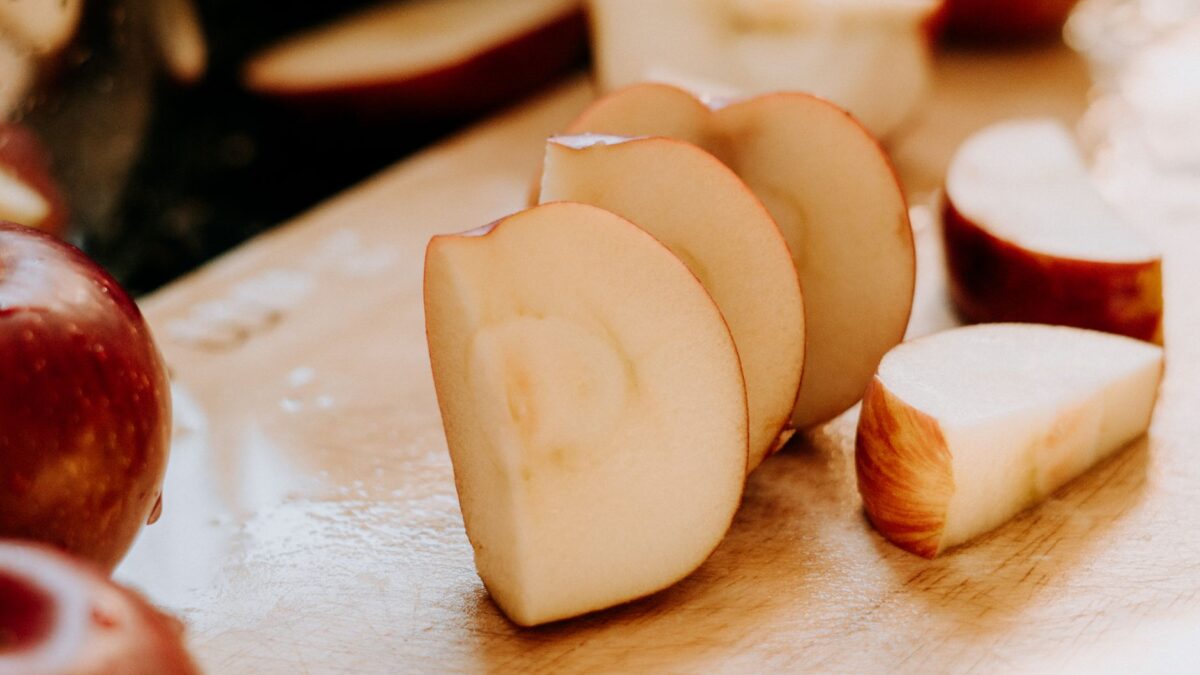
Yes, dogs can eat apples. Plain, fresh apple flesh, with or without the skin, is a safe occasional treat for most healthy dogs, as long as you remove the core, seeds and stem first and keep the portion small. Apples should stay a snack, with treats of all kinds making up no more than about 10 percent of your dog’s daily calories.
Apples are crunchy, low in fat and mostly water, with some fiber and vitamin C. Dogs make their own vitamin C and get balanced nutrition from a complete dog food, so apple is a treat rather than a supplement. A dog with diabetes, a sensitive stomach or a prescription diet should get the go-ahead from a veterinarian before trying it.
Are apple seeds and cores dangerous for dogs?
Apple seeds and cores are the parts to remove every time. The seeds contain amygdalin, a compound that releases cyanide when the seed is crushed or chewed. One or two seeds swallowed by accident are very unlikely to poison a medium or large dog, but the risk grows with the number of seeds and with smaller dogs, so there is no reason to allow them.
The core causes a different problem. It is hard and fibrous, and a dog that gulps a whole core can choke on it or develop a blockage in the stomach or intestines. Small dogs and dogs that swallow food without chewing are most at risk. The stem is also hard to digest. Cut the apple into slices and throw the core into a bin your dog cannot open.
How much apple can a dog eat?
A few slices is enough for most dogs. As a rough guide for thin slices of a medium apple:
- Toy and small dogs (under 20 lb [9 kg]): one or two thin slices, or a few small cubes.
- Medium dogs (20 to 50 lb [9 to 23 kg]): three or four slices.
- Large dogs (over 50 lb [23 kg]): up to about a quarter to a half of an apple.
Give apple a few times a week rather than every day, and cut back on other treats on those days. If you are not sure how many calories your dog needs, the dog and cat calorie calculator estimates a daily total, and 10 percent of that number is the treat allowance. Too much apple at once tends to cause loose stools or gas because of the fiber and natural sugar.
What is the safest way to serve apples to a dog?
Wash the apple, cut it into slices, remove the core, seeds and stem, then cut the slices into pieces sized for your dog’s mouth. Some easy ways to serve it:
- Small fresh cubes as training rewards.
- Frozen apple pieces on a hot day, cut small enough that they cannot become a choking hazard.
- A spoonful of plain, unsweetened applesauce mixed into food.
- Thin slices stuffed into a food puzzle toy.
Introduce apple with one or two small pieces and watch for vomiting, diarrhea or itching over the next day. The skin is fine for most dogs, though peeling it can help a dog with a sensitive stomach. Any variety works, from Granny Smith to Gala.
Which apple foods should dogs not eat?
Many apple products contain sugar, spices, fat or ingredients that are harmful to dogs. Skip these:
- Apple pie, crumble and turnovers: high in sugar and butter, and some contain nutmeg or raisins.
- Caramel or candy apples: sugar, plus a stick that can be swallowed.
- Sweetened applesauce and apple snack cups, especially any labeled “sugar-free”, which may contain xylitol, a sweetener that is toxic to dogs.
- Apple juice and cider: concentrated sugar without the fiber.
- Store-bought dried apple chips with added sugar or preservatives.
- Whole apples left in a fruit bowl or fallen windfalls in the yard, which a dog can eat core and all, and which may be moldy.
Fruit salads deserve a second look too: grapes and raisins are dangerous for dogs even in small numbers, as our guide on why grapes and raisins can harm dogs explains.
What should you do if your dog ate an apple core or seeds?
Stay calm and work out how much was eaten. A dog that swallowed one core with a few seeds usually needs only monitoring for the next 24 to 48 hours. Call your veterinarian if you see:
- Repeated vomiting or retching without bringing anything up.
- Loss of appetite, a painful or swollen belly, or straining with no stool.
- Drooling, gagging or pawing at the mouth, which can mean something is stuck.
- Bright red gums, difficulty breathing or weakness after eating a large number of seeds.
If a small dog ate several cores or many seeds, call your vet, an emergency vet or the ASPCA Animal Poison Control Center right away rather than waiting for symptoms. Do not make your dog vomit unless a veterinarian tells you to.
Quick answers
Can puppies eat apples?
Puppies can have a tiny piece of peeled, seedless apple once they are eating solid food, but their diet should come almost entirely from puppy food. Keep pieces very small to avoid choking.
Is apple skin safe for dogs?
Apple skin is safe for most dogs and holds much of the fiber. Wash the apple first, and peel it for dogs that get an upset stomach from fiber.
Are apples better than other fruit treats?
Apples are one of several fruits dogs can enjoy. Bananas are softer and sweeter, and our guide to safe banana portions for dogs covers how much to give. Rotating a few dog-safe fruits keeps treats interesting without adding many calories.