Chewy Publishes First ‘Do Not Crush’ Medication List Made for Pets
Chewy Health released a Do Not Crush List of Pet Medications for vets and owners. What the list covers, who wrote it and why crushing pills can matter.
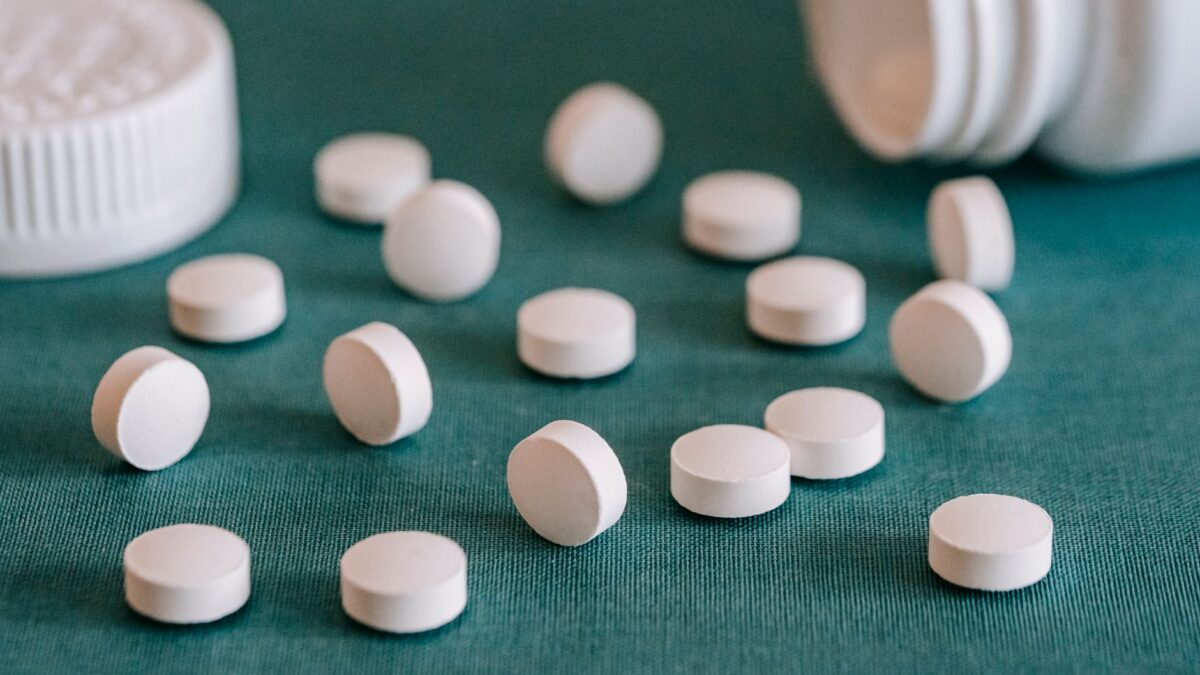
Chewy Health has released a “Do Not Crush List of Pet Medications,” a reference that names the drugs and dosage forms that should not be crushed when they are given to pets. The company says comparable lists already exist in human medicine, and it describes this one as the first built specifically for veterinary use, according to Today’s Veterinary Business.
The list matters to anyone who has ever ground up a tablet to hide it in a dog’s food or a cat’s treat. Altering some medications can change how well they work, change how they taste, or create safety risks for the person handling them, according to the material Chewy published for owners.
Who wrote the list and where it appears
Licensed pharmacists and veterinarians at Chewy Health developed the resource, the company said. It comes in two versions aimed at different readers.
- A reference PDF for veterinary professionals, which gathers the information in one place.
- An article on PetMD for pet owners, which carries the same list along with an explanation of why changing a medication’s form can cause problems.
Chewy did not say in the announcement how many medications the list includes. Owners who want to know whether a specific drug is on it can check the PetMD version or ask the veterinarian who prescribed it.
How clinics are expected to use it
The professional PDF is designed as a quick reference for three common tasks in a practice, according to Today’s Veterinary Business: writing instructions on a prescription, giving medications to animals in the clinic, and talking with clients about how to give medicine at home.
Chewy is also asking veterinary teams to pass the owner version along. The company encourages clinics to send clients a link to the PetMD article or hand them a printed copy during an appointment.
Why crushing a pill can be a problem
Many tablets and capsules are made in a particular form for a reason. Some coatings protect the drug, some designs release the medicine slowly over time, and some keep a bitter taste from reaching the tongue. Crushing or opening them can undo that design.
The owner article groups the risks into three areas: the drug may work less well, its taste may change, and the person preparing it may be exposed to the medication. A pill that suddenly tastes bad can also lead a pet to refuse food that has been mixed with it, which makes the next dose harder.
What it means for pet owners
Getting a reluctant dog or cat to swallow a pill is one of the most common struggles owners describe, and crushing a tablet into food is a familiar workaround. The new list gives owners a way to check before doing that, rather than finding out later that a dose was weakened or that they handled a drug they should not have touched.
The list does not replace instructions from the prescribing veterinarian. Owners who have trouble giving a medication, or who are unsure whether a tablet can be split, crushed or mixed into food, should call their veterinarian before changing how they give it. Many drugs come in other forms, and a vet or pharmacist is the person who can say whether a switch is possible for a particular animal.
If a pet swallows a medication it was not prescribed, or shows signs of a reaction after a dose, owners should contact an emergency vet or the ASPCA Animal Poison Control Center.
A resource shared with clinics and owners
The launch puts the same information in front of veterinary staff and the people caring for animals at home. Because clinics are being encouraged to share the PetMD article directly during visits, owners may start seeing the list handed out with prescriptions or mentioned when a vet explains how to give a new medication.
Source: Today's Veterinary Business