Senior Pets Slip Out of Vet Care: What a Good Program Does
Senior pet care often lapses as owners assume aging can't be treated. Here is what a good senior pet program offers and what owners can ask their vet.

Older dogs and cats can quietly drop out of regular veterinary care, and a veterinary trade publication argues that clinics should build a defined “care pathway” to bring them back. The article in Veterinary Practice News, aimed at clinic teams, describes how owners who assume aging problems cannot be treated, fear high bills or struggle to get a pet to the clinic may not return until a crisis. For owners, it is a useful guide to what good senior care can look like and what to ask for.
Why senior pets fall out of care
According to the article, some owners believe changes in mobility, appetite, sleep, behavior or toileting are simply part of getting old and cannot be helped. Others worry that every visit will bring costly test recommendations, or that they will be pushed toward an end-of-life decision before they are ready.
Practical barriers also play a part. A large dog may no longer be able to climb into the car, and a cat may become distressed by travel. Owners may be dealing with their own health, money or scheduling problems. When these pile up, preventive visits get postponed. The article says the vet team may then not see the pet again until problems such as loss of appetite, pain, breathing difficulty or collapse force a visit.
Aging as a life stage, not a disease
The article leans on the 2023 American Animal Hospital Association Senior Care Guidelines, which say no single age defines a senior pet. Species, breed, size, expected lifespan, health and changes in function all matter. The guidelines describe senior care as covering screening, pain management, nutrition, dental care, behavior, changes to the home, other health conditions and support for the owner.
The author suggests clinics talk about a new life stage and a plan for keeping the pet comfortable, rather than opening with worry about disease.
What a senior visit can look like
The article describes several features of a visit designed for older animals:
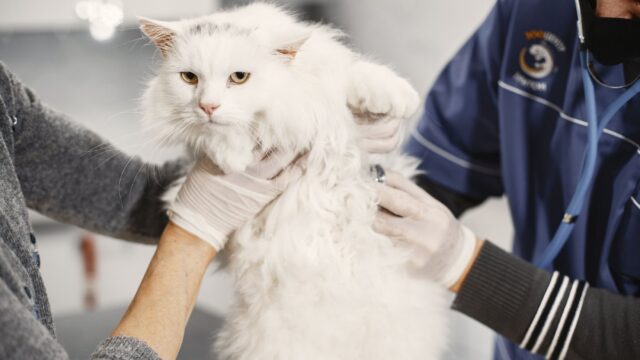
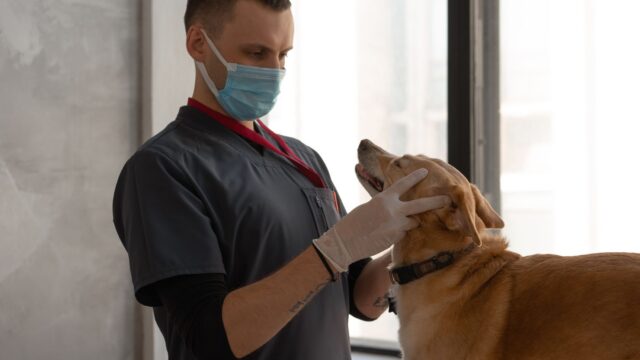
- More time and a quieter setting, with gentle handling.
- A pre-visit questionnaire on appetite, water intake, toileting, sleep, mobility, play, grooming and behavior.
- Owner videos of the pet walking, climbing stairs, getting up or using the litter box, since some problems are hard to reproduce in an exam room.
- Nonslip floors, soft bedding, ramps and exams on the floor to reduce discomfort and fear.
- For cats, short waiting times and cat-friendly handling. The article notes the Feline Veterinary Medical Association’s senior guidelines also stress individual assessment and involving owners in the care team.
The article says tests and visit frequency should be matched to each pet and family rather than sold as a fixed bundle.
Planning ahead, and what it means for owners
The piece recommends raising advance planning early, not only when treatment options run out. For a stable pet that might mean noting favorite activities, recording a baseline of how the pet functions and agreeing which signs should prompt a call. Later, plans can cover who to contact after hours, what counts as an emergency and where the family would want euthanasia to take place if it becomes necessary. Tracking trends over days and weeks in a shared calendar or log can be more informative than a single quality-of-life score, it says.
For owners, the takeaway is that slowing down is not automatically something vets cannot help with. If cost, transport or a fearful pet is stopping you from booking a visit, tell the clinic. The article says teams can offer quieter appointment times, help from the car, telehealth where legally and clinically appropriate, referral to a mobile provider, or staged care that tackles pain or nausea first and schedules lab work later. It also suggests owners should leave with a clear idea of what was found, which concerns come first, what can be watched and when to call. Any change in your pet’s health should be discussed with your veterinarian, and a sudden crisis calls for an emergency vet.
What is still unknown
The article is a guidance piece for clinics, not a study, and it gives no data on how well such programs work. It suggests practices measure results, such as how many overdue seniors return, earlier detection of pain or disease and whether end-of-life wishes were discussed before an emergency. Whether your own vet offers a senior program like this varies, so ask what is available.
Source: Veterinary Practice News