AAHA Splits Pet Diabetes Guidelines Into Separate Dog and Cat Editions
AAHA's new diabetes guidelines now come in separate dog and cat editions, with basal insulin for dogs and SGLT2 drugs for cats. Here is what owners should know.
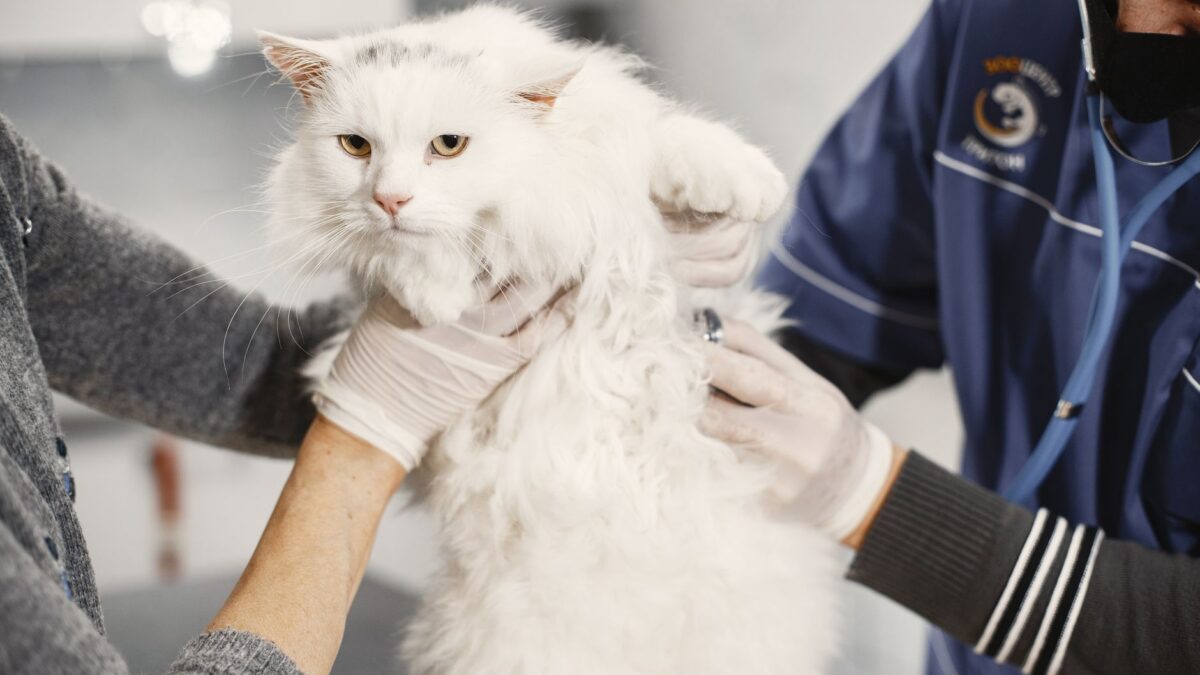
If your dog or cat has diabetes, the advice your veterinarian follows has just been updated. On September 6, the American Animal Hospital Association (AAHA) published new diabetes management guidelines for companion animals, and for the first time they come as two separate documents: one for dogs and one for cats. The previous version, from 2018, covered both species together.
Why dogs and cats now get separate guidance
According to the task force behind the update, so much new research on diabetes in pets has appeared in recent years that a single shared document no longer made sense. Splitting it lets each edition focus on how the disease behaves in that species and helps vets find answers faster. Andrew Bugbee, DVM, co-chair of the dog guidelines, told Veterinary Practice News that the work involved extensive literature reviews and several group discussions before the experts reached a consensus. Renee Rucinsky, DVM, also named as a co-chair, said the split let the group direct its research and recommendations in a more focused way.
What is new for dogs
The biggest change for dogs is the addition of basal insulin as a treatment option. Basal insulin is a long-acting type designed to provide a steady background level through the day. The guidelines explain how two such products, insulin degludec and insulin glargine U-300, work, what starting doses suit dogs, how to monitor and adjust them, and how to handle common problems.
The dog edition also covers:
- Diagnosing diabetes
- Insulin treatment and monitoring
- Treating diabetic ketoacidosis, a dangerous complication in which the body builds up acids called ketones
- Tracking blood sugar control
- Diet, with nutrition plans tailored to each dog and any other health problems it has
- How vets talk with owners
What is new for cats
The cat edition addresses which cats are suitable candidates for SGLT2 inhibitors, a class of medicines that help the body get rid of excess sugar through the urine. It also includes sections on:
- How diabetes develops in cats
- Diagnosis, and how to recognize and manage cats at risk
- Insulin treatment and monitoring
- Diabetic ketoacidosis, including a form called euglycemic diabetic ketoacidosis, which can occur even when blood sugar is not very high
- Recognizing diabetic remission, when a cat may no longer need treatment
- Diet and communication with owners
What it means for pet owners
These guidelines are written for veterinary teams, not for owners to follow at home, but they shape the care your pet receives. If your dog is on insulin, your vet may now discuss longer-acting options. If your cat has diabetes, your vet may talk about whether an SGLT2 medicine is appropriate or whether remission is possible. Never change a dose, switch insulin or start a new medicine on your own. Ask your veterinarian whether the updated guidance changes anything in your pet’s plan, and contact an emergency vet if a diabetic pet suddenly seems unwell.
Both editions put diet and owner communication on the list, a reminder that day-to-day care at home is part of managing the disease.
What happens next
AAHA has also released short quick-reference sheets, called Guidelines at a Glance, for dogs and for cats so vets can apply the advice in daily practice. How quickly individual clinics adopt the changes will vary, so the next routine check-up is a good time to ask whether your pet’s treatment plan is being reviewed.
Source: Veterinary Practice News