How to Choose a Cat Bed or Cat House: Hooded, Heated and DIY Options
Learn how to pick a cat bed or house: hooded beds, cabanas, heated beds and simple DIY ideas, with sizing, safety and placement tips for every cat.
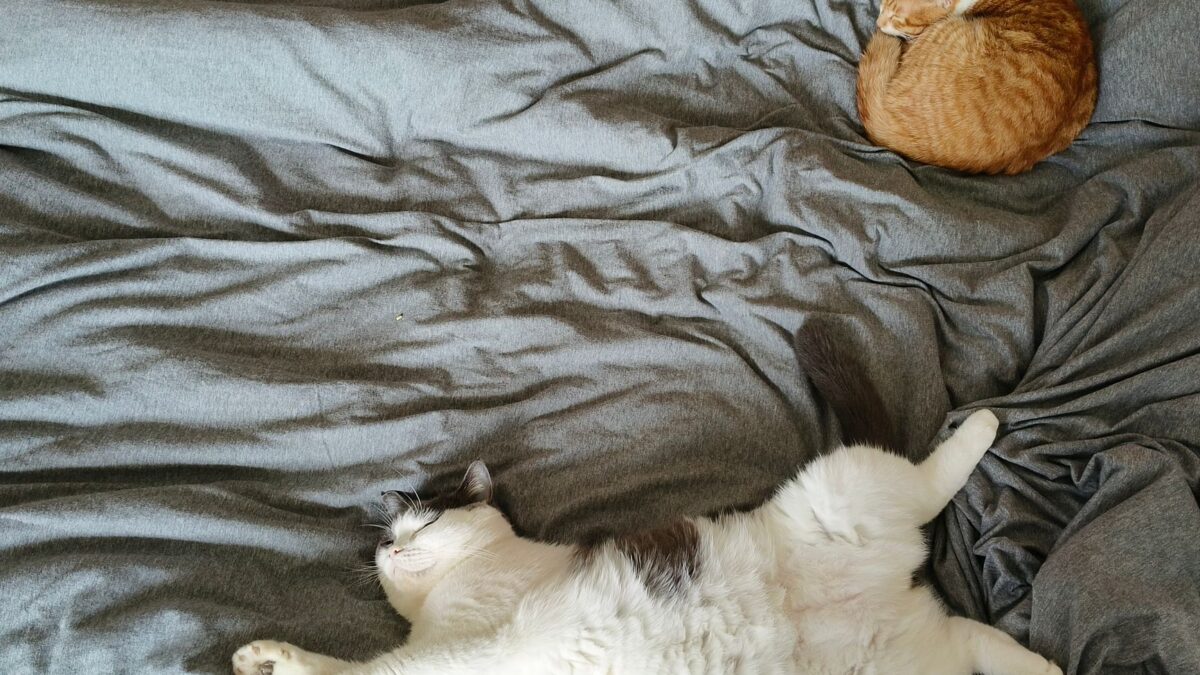
Choose a cat bed by matching it to how your cat sleeps. Cats who like to hide do well in hooded beds, cabanas or covered houses. Cats who like to stretch or watch the room prefer open cushions and perches. Older cats, thin cats and cats in cool homes may benefit from a heated bed made for pets. Pick a size your cat can turn around in comfortably, choose washable fabric, and place it somewhere quiet, warm and away from drafts.
Watch how your cat sleeps first
Cats are particular, and the best bed is the one your cat actually uses. Spend a few days noticing where and how your cat naps.
- Curled in a tight ball: a bolster bed with raised sides or a snug donut-style bed works well.
- Stretched out flat: an open mat or a large, flat cushion gives more room.
- Tucked into boxes, bags or under furniture: a hooded bed, cabana or covered house meets the need to hide.
- Up high at windows or on shelves: a window perch, radiator-safe shelf bed or cat tree platform fits better. Our guide to choosing a cat tree covers stable options.
- Sleeping on your bed or couch: try placing a soft bed in the same spot, or beside it.
Types of cat beds and houses
Open and bolster beds
These are the simplest: a cushion with or without raised edges. Bolsters give a feeling of support for the head and back. They suit cats who like to see what is going on and are easy to wash.
Hooded beds and cabanas
A hooded bed has a canopy or roof, and a cabana is a small tent-like structure, often with a soft cushion inside. Both offer a sense of cover that many shy, anxious or older cats like. Make sure the opening is large enough to enter easily and the hood does not droop over the sleeping area. Cats with limited mobility may prefer a low entry.
Covered houses and cubes
Cardboard, felt, fabric or wooden houses give a den-like space. Felt cubes are light and easy to move. Wooden houses last longer but are heavier. Look for a stable base, no sharp staples or splinters, and an interior that is easy to wipe or vacuum.
Heated beds
Heated pet beds can help cats who feel the cold, such as seniors, very young cats, thin or short-haired cats and cats with stiff joints. Choose products made for pets, with a thermostat or low-wattage self-warming design, a chew-resistant cord and clear safety markings. Follow the instructions, never use a heating pad made for people, and check the bed for damage regularly. Always leave your cat able to move off the warm area, and ask your veterinarian before using heat on a cat with health problems. Self-warming beds that reflect body heat with no electricity are a simpler alternative.
Window and radiator perches
These mount to a window frame or a radiator. Check the weight limit and make sure the mount is secure. Do not use products that are not designed for radiators on hot ones.
How to size a cat bed
- Measure your cat from nose to base of tail while they are stretched out, then while curled up.
- For curled sleepers, the bed’s interior should be a little larger than the curled body.
- For stretchers, choose a bed at least as long as the stretched body.
- Large breeds and heavier cats need more room and a firmer base. A bed that collapses under weight will not get used.
- Kittens will grow, so consider a size they can use as adults.
Materials, washing and safety
- Washable covers: choose removable covers or a bed that can go in the washing machine, and wash it regularly with a fragrance-free detergent.
- Stuffing: avoid beds with loose filling that spills out if the cover is scratched or chewed.
- Non-slip base: prevents the bed from sliding on tile and wood floors.
- No small parts: avoid dangling toys, bells or decorative buttons that could be chewed off and swallowed.
- Fur and scratching: tight-weave fabrics shed less fur and resist claws better than loose weaves.
Where to put the bed
Cats like warm, quiet places with a view of the room and an easy exit. Put the bed away from noisy appliances, busy doorways and cold drafts. In multi-cat homes, set out more than one bed so each cat has choices. Many cats like having a bed near family activity but not in the middle of it. If your cat ignores a new bed, try moving it to a favorite napping place, rubbing it with a blanket your cat already likes, and giving it time. Do not force a cat into it.
Simple DIY options
- Cardboard box: a sturdy box with a low entry cut out and a folded towel or fleece blanket inside. Remove staples and tape, and replace it when it gets soiled or soggy.
- Old sweater nest: place a clean, soft sweater or fleece in a shallow box or basket. Avoid pieces with loose threads or buttons.
- Basket bed: a smooth, stable laundry basket or wicker basket with a washable cushion. Check that there are no sharp or splintered edges.
- Shelf perch: if you build or buy one, make sure it is firmly anchored and can hold your cat’s full weight.
Change DIY bedding often and keep it clean. If your cat is chewing or eating fabric, stop using that bedding and talk to your veterinarian.
Quick answers
Why does my cat ignore the expensive bed?
Cats choose by scent, warmth and location. Try a different spot, a familiar blanket or a different style. The box it came in may be more appealing than the bed.
Can cats and dogs share a bed?
Some do, but they usually do better with their own. A bed designed for dogs may be too big for a cat. See our guide to choosing a dog bed for the other side of the question.
Is a heated bed safe for kittens?
Only products made for pets and used as the label directs. Kittens that cannot yet regulate their temperature need extra care, so ask your veterinarian about warmth for very young kittens.
How often should I wash a cat bed?
Wash removable covers every week or two, or sooner if soiled, using a mild detergent and following the care label.