Why Is My Dog Drinking So Much Water? Normal Amounts and Causes
A dog drinking more than usual may be hot or active, but it can also point to diabetes, kidney disease or Cushing's. Learn normal amounts and when to call the vet.
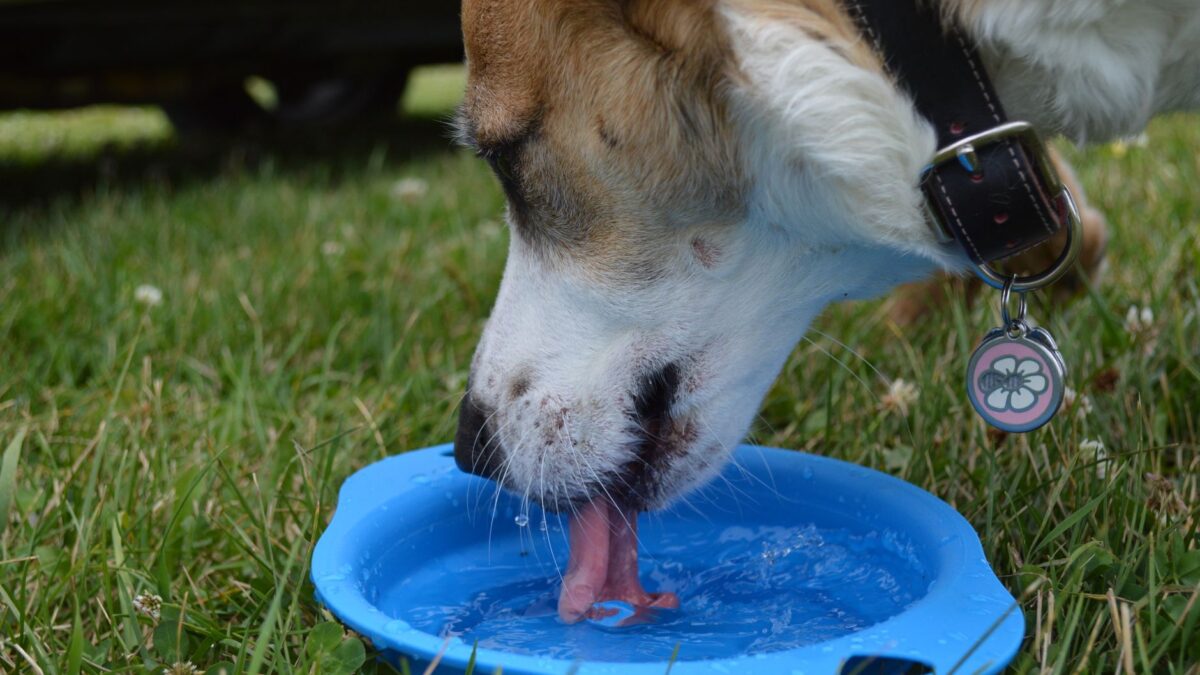
A healthy adult dog usually drinks about 1 ounce of water per pound of body weight per day (roughly 60 ml per kg), and a dog that is hot, active or eating dry food may drink more. If your dog is drinking clearly more than usual for more than a day or two, or is drinking far above that range, it is worth a call to your veterinarian, because increased thirst is one of the most common early signs of a medical problem.
How much water is normal for a dog?
The 1 ounce per pound guideline is a rough average, not a strict target. A 50 lb (23 kg) dog would typically drink around 50 oz (about 1.5 liters) in a day, including the water in any wet food. Normal intake varies with several things:
- Diet: dogs eating dry kibble drink more than dogs eating canned or fresh food, which contain a lot of water.
- Weather and exercise: hot days, long walks and hard play all raise thirst.
- Age and size: puppies and nursing mothers need relatively more water.
- Salty or dry foods: salty treats, table scraps and some jerky-style treats can make a dog thirsty for a few hours.
Most vets consider intake well above about 1.5 ounces per pound per day (around 100 ml per kg) over several days a reason for a check-up. The most useful comparison is your own dog: a change from their normal pattern matters more than any average.
How to measure your dog’s water intake
Measuring for two or three days gives your vet something concrete to work with.
- Fill the bowl with a measured amount of water, using a measuring jug.
- Note how much is left at the same time each day, and top up with a measured amount.
- Count any water from other bowls, the garden hose, puddles or the toilet if you can.
- Write down how often your dog urinates, whether there are accidents indoors, and any change in appetite or weight.
If you have more than one pet, separate them at drinking time or measure while only one has access to the bowl.
Harmless reasons for extra thirst
Before worrying, rule out the easy explanations. A recent heat wave, a new exercise routine, a switch to dry food, a salty snack or a long car trip can all increase drinking for a short time. Some dogs also drink more out of boredom or habit, especially if the bowl is always full and next to where they rest. If the extra thirst goes away within a day or two once the cause is gone, it was probably nothing. If it lasts, it deserves attention.
Medical causes to rule out
Persistent heavy drinking, called polydipsia, usually comes with heavy urination, called polyuria. Your vet will want to look at the two together. Common causes include:
- Diabetes mellitus: high blood sugar makes the body pass extra sugar and water in urine. Dogs may also lose weight despite a good or increased appetite.
- Kidney disease: failing kidneys cannot concentrate urine, so dogs urinate more and drink more to keep up.
- Cushing’s disease (hyperadrenocorticism): too much cortisol raises thirst and appetite and is often seen with a pot belly, thinning coat and panting in middle-aged and older dogs.
- Urinary tract infection: may cause frequent urination, straining or blood in the urine along with thirst.
- Pyometra: a serious womb infection in unspayed females, usually after a heat cycle. It is an emergency.
- Liver disease and some other conditions: including high calcium levels and electrolyte problems.
- Medications: corticosteroids such as prednisone, some diuretics and some anti-seizure drugs commonly increase thirst.
Only a vet can tell these apart. Expect a physical exam, a urine test and blood work as a starting point. Please do not try to diagnose your dog at home or restrict their water to see if it helps, as that can be dangerous, particularly with kidney disease.
When to call the vet
Book an appointment soon if your dog drinks noticeably more for more than a few days, or if you notice any of these alongside it:
- Urinating much more often, or accidents in a house-trained dog
- Weight loss, or a sudden increase in appetite
- Lethargy, vomiting or diarrhea
- Cloudy or bloody urine, or sweet-smelling breath
- A swollen belly, thinning coat or heavy panting
Contact an emergency vet right away if your dog is also vomiting repeatedly, collapsing, very weak, or is an unspayed female with a discharge. If you think your dog could have swallowed something toxic, such as antifreeze, certain plants or human medication, call an emergency vet or the ASPCA Animal Poison Control Center straight away. Excess thirst is an early sign of some poisonings.
What you can do in the meantime
Keep fresh water available at all times and do not limit it. Bring a note of your measurements, your dog’s diet and treats, and any medicines or supplements. A fresh urine sample collected in a clean container can help, if your vet asks for one. Take note of other behavior changes too. Dogs can show subtle shifts, and an unusual urge to lick or chew can have its own causes, covered in our guide on why dogs lick or chew their paws. For general changes in habits, the article on why dogs lick their owners shows how a vet visit is often the right next step when a behavior is new or excessive.
Quick answers
Is it normal for a puppy to drink a lot?
Puppies often drink more relative to their size than adults, especially when active. Sudden big changes still merit a call to the vet, as puppies can dehydrate or become ill quickly.
Should I take the water bowl away at night?
Many house-training guides suggest removing water an hour or two before bedtime for puppies. For a dog who is suddenly very thirsty, do not restrict water without your vet’s advice, because limiting it can be harmful.
Can older dogs just drink more with age?
Not really. Increased thirst in a senior dog is often linked to kidney disease, diabetes or Cushing’s disease, so it should be checked rather than put down to age.
Does dry food make dogs drink more?
Yes. Dry food contains little moisture, so dogs on kibble naturally drink more than dogs on wet food. If your dog’s diet has not changed, extra thirst needs another explanation.