Dog Not Eating But Acting Normal: Causes and When to Worry
A dog that skips meals but acts normal is often picky, stressed or just full. Learn the common causes and the signs that mean a vet visit.
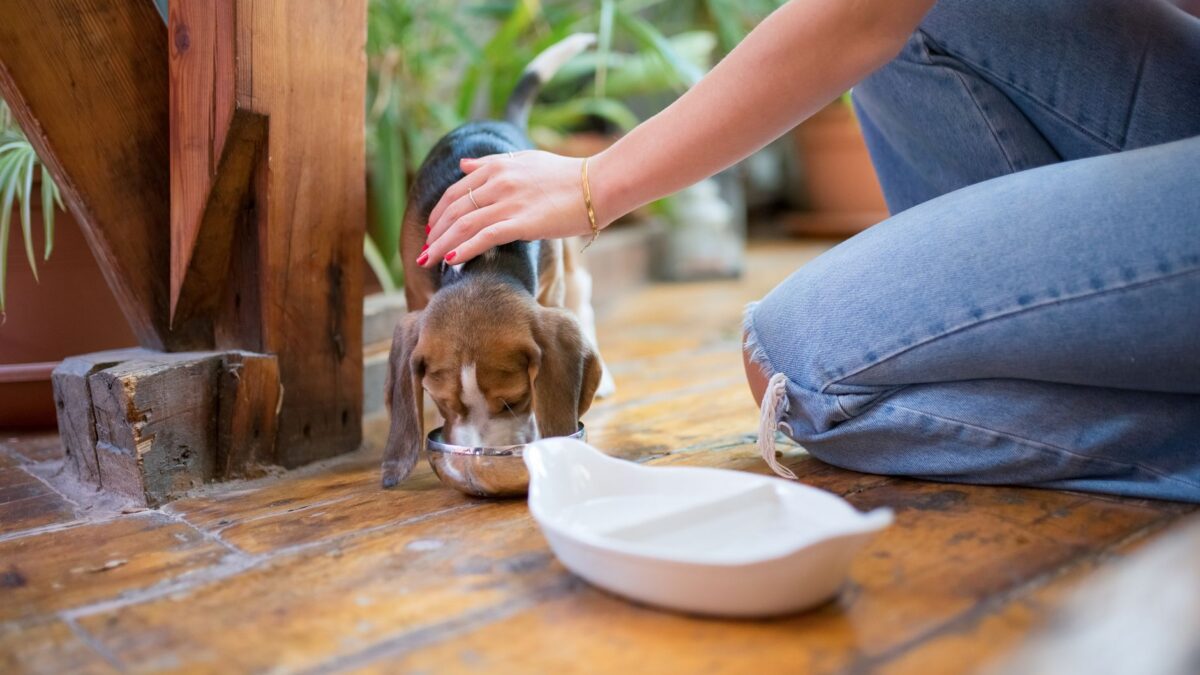
A dog that refuses food but plays, walks and drinks as usual is most often picky, stressed, snacking on treats or reacting to a change in food or routine. One skipped meal in an otherwise bright adult dog is usually not an emergency. Refusing food for more than a day or two, or any other sign of illness, is a reason to call a veterinarian.
What are the common reasons a healthy-looking dog skips food?
- Too many treats or table scraps. A dog that is full of extras may ignore a bowl of kibble.
- A new food or flavor. Dogs sometimes refuse a change in diet, especially if it was made all at once.
- Stale or warm food. Opened kibble can go rancid, and wet food left out loses its smell.
- Stress or routine changes. Travel, visitors, a move, new pets, loud weather and fireworks can all lower appetite.
- Hot weather. Many dogs eat less when it is warm.
- Recent vaccines or medication. Some dogs feel off for a day afterward, and some drugs cause nausea. See the guide to adult dog vaccines and boosters for what is usual.
- Dental pain. A dog may want food but avoid chewing it.
When should you worry?
Call a veterinarian the same day if the dog also has vomiting, diarrhea, lethargy, a swollen or painful belly, pale gums, trouble breathing, or is straining to pass urine. A dog that stops eating and also drinks far more or far less than normal needs a visit. Our article on why dogs drink so much water covers that sign.
Puppies, toy breeds, seniors and dogs with diabetes or other conditions should be seen sooner, because they can get into trouble quickly without food. Appetite loss in an older dog often points to pain or nausea, as explained in this piece on senior pets that stop eating.
If the dog may have eaten something it should not have, such as chocolate, grapes, xylitol sweetener, medication or a toy, call an emergency vet or the ASPCA Animal Poison Control Center right away.
What can you try at home?
- Offer the usual food in a clean bowl at the normal time, and pick it up after 15 to 20 minutes.
- Stop extra treats and table food for a day or two so hunger can build.
- Check the food: smell it, check the date, and replace an old bag.
- Keep the routine steady and the feeding spot quiet.
- Do not add human food, seasonings or fatty toppings to tempt the dog, since they can upset the stomach.
Keep a short note of what the dog ate, how much it drank and when. It helps the vet if the problem continues.
How is a normal appetite change different from a medical problem?
A normal change is short, has an obvious trigger and goes away. Medical causes tend to last, come back or arrive with other signs. They include dental disease, stomach upset, infection, kidney or liver disease, pain and some cancers. Only an exam, and sometimes blood tests, can tell them apart, so do not try to diagnose it at home. The American Veterinary Medical Association advises owners to contact their vet when behavior or eating habits change without a clear cause.
Quick answers
How long can a healthy adult dog go without eating?
Many healthy adult dogs can skip a meal without harm, but if a dog refuses food for more than a day or two, call the vet. Puppies and small dogs need attention sooner.
Why does my dog eat treats but not dinner?
Treats are tastier and the dog may be holding out for them. Cut treats and keep to set mealtimes. If the dog turns down everything, including treats, that is more concerning.
Is it normal for a dog to stop eating in hot weather?
Slightly lower appetite in the heat is common. Provide shade and fresh water, and call the vet if the dog seems weak or pants heavily.