Pet Food Safety Plan Rules: What the FDA Requires of Makers
Pet food makers must run a written hazard analysis and preventive controls under 21 CFR Part 507. Here is what the rule covers and why it matters to owners.
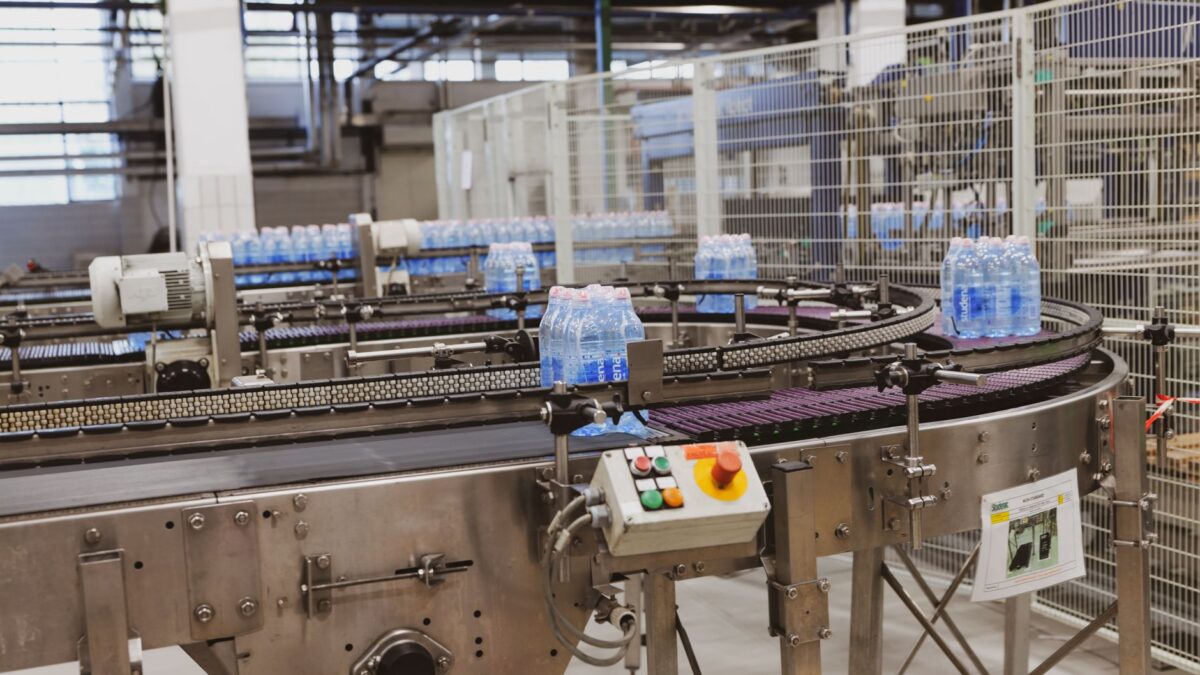
Pet food makers in the United States must follow a federal rule that combines good manufacturing practice with a written hazard analysis and risk-based preventive controls. The rule is 21 CFR Part 507, published by the Food and Drug Administration (FDA) for food for animals, and it covers both dog and cat food. In short, a maker has to identify what could go wrong in its plant, put controls in place before it does, and keep records that show the controls work.
This guide explains what the rule contains, where it came from and how it connects to the recalls owners read about. Details such as exact deadlines and exemption thresholds are on the official page, Part 507 in the Electronic Code of Federal Regulations, which is the text to check for any specific question.
Where does the rule come from?
Part 507 rests on the FDA Food Safety Modernization Act (FSMA), which President Obama signed into law on Jan. 4, 2011. According to Wikipedia’s article on the law, FSMA gave the FDA new authority over how foods are grown, harvested and processed, including mandatory recall authority that the agency had sought for many years. The same article describes it as the first major federal food safety legislation since 1938.
The law shifted the FDA’s focus toward preventing food safety problems instead of mostly reacting once they happen. Part 507 is the animal food version of that approach. The code lists its source as a Federal Register notice of Sept. 17, 2015.
How is Part 507 organized?
The regulation is split into subparts, and their titles show what a maker has to do:
- Subpart A, General Provisions (sections 507.1 to 507.12).
- Subpart B, Current Good Manufacturing Practice (sections 507.14 to 507.28).
- Subpart C, Hazard Analysis and Risk-Based Preventive Controls (sections 507.31 to 507.55).
- Subpart D, Withdrawal of a Qualified Facility Exemption (sections 507.60 to 507.85).
- Subpart E, Supply-Chain Program (sections 507.105 to 507.175).
- Subpart F, Requirements Applying to Records That Must Be Established and Maintained (sections 507.200 to 507.215).
What does good manufacturing practice cover?
Subpart B is the baseline for every covered plant. In broad terms, good manufacturing practice means the everyday basics of a clean food facility: personnel hygiene, a sanitary building and equipment, and controls over how ingredients and finished feed are handled and stored. These rules apply whether or not anything has gone wrong, and they are the layer that keeps routine contamination out of a bag or can.
What is a hazard analysis and preventive controls plan?
Subpart C is the core of the food safety plan. The maker first studies its products and process to identify hazards that are reasonably likely to occur, such as a biological, chemical or physical contaminant. For each significant hazard it then sets preventive controls: steps that prevent the hazard or reduce it to a safe level. Typical examples are a cooking step that kills bacteria, sanitation procedures that prevent cross-contamination, and checks on ingredients that may carry a natural toxin.
A plan of this kind also describes how the plant monitors each control, what it does when a control fails, and how it verifies that the whole system works. The plan is written down and has to be reviewed and updated, and the person who prepares it needs suitable training. The plan also includes a recall plan for hazards that need one, which is the link to the recall process owners see in the news. For how that process runs once a problem is found, see how a pet food recall works.
What is the supply-chain program?
A food is only as safe as its ingredients, so Subpart E requires makers to manage hazards that come in from suppliers. In practice, this means approving suppliers, and checking that the controls a supplier applies are actually working. A contaminated shipment of grain, for example, is a supply-chain problem. Mold toxins in feed ingredients are one such case, explained in our guide to mycotoxins in pet food.
Do small companies have to follow the rule?
Not in every respect. The regulation includes a category called a qualified facility, which can receive a modified set of requirements. Subpart D describes how the FDA can withdraw that exemption. The definition of a qualified facility, including the size limits, is in Subpart A, so check it on the official page instead of relying on a summary. Small makers still have to keep their plants sanitary and their food safe.
What records must a maker keep?
Subpart F sets out the records a facility has to establish and maintain. Records are what let an inspector, and the company itself, see that monitoring, corrections and verification actually happened. If a lot is later found to be unsafe, good records help narrow down which products and dates are involved.
Why does this matter to pet owners?
The rule is the reason many recall notices describe a problem found at a manufacturing step, an ingredient supplier or a testing check. It does not guarantee that a product is free of risk. It does require makers to plan for hazards in advance and to document what they do, and it works alongside the FDA’s recall tools. To see how those tools operate, read how the FDA’s mandatory recall power works, and for the wording used in notices, see recall versus market withdrawal.
Quick answers
Does Part 507 apply to dog and cat food?
Yes. The regulation covers food for animals, which includes pet food, and its title refers to current good manufacturing practice, hazard analysis and risk-based preventive controls.
Can I read the rule myself?
The full text is on the official page linked above. It is long and technical, so the subpart titles listed in this guide are a useful way to find the section you want.
What should I do if my pet’s food is recalled?
Follow the instructions in the official notice, stop feeding the product, and call your veterinarian if your pet shows signs listed in the notice.
Checked against official sources in November 2026. Hours, prices and rules change: confirm on the official page before you go or apply.