Dog Grooming Cost: What Sets the Price and How Often Coats Need It
Dog grooming prices depend on size, coat, condition and services. See what raises the bill and how often each coat type needs a groomer.
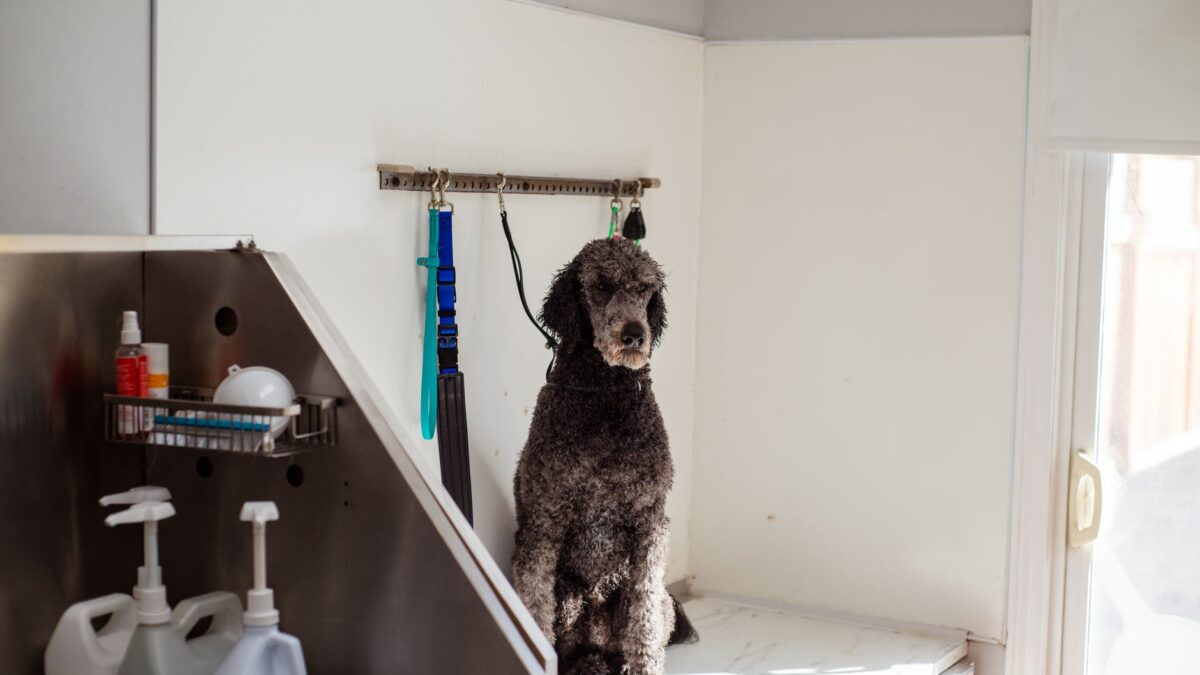
Dog grooming cost depends mainly on the dog’s size, coat type and coat condition, plus the services you add. A small, short-coated dog needing a bath and tidy-up costs the least. A large dog with a thick or curly coat, especially one that is matted, costs the most. Prices vary by region and salon, so call two or three local groomers and ask for a quote based on your dog’s breed, weight and coat.
How often a dog needs grooming follows the coat. Short, smooth coats may need a bath every few months, while continuously growing coats such as poodles, doodles and many terriers usually need a professional visit about every four to eight weeks.
What affects the price of a dog groom?
Several factors decide the final bill, and most groomers list them on their price sheet:
- Size and weight. A larger dog takes more time, more shampoo and more drying, so most salons price by weight bracket.
- Coat type and length. Double coats, long coats and curly coats take longer to wash, dry and finish than short smooth coats.
- Coat condition. Matting is the biggest add-on. Removing mats takes extra time and can be uncomfortable for the dog, so many groomers charge a separate fee or shave the coat short instead.
- Temperament. A dog that struggles, bites or cannot stand still may need extra handling time, and some groomers add a fee for it.
- Add-on services. Nail grinding, teeth brushing, de-shedding treatments, flea baths, ear cleaning and special shampoos are usually billed on top of the base price.
- Location and type of business. Mobile groomers, who come to your home, typically charge more than a fixed salon. Big-city salons usually charge more than rural ones.
Bath only, full groom or haircut: what is the difference?
A bath package usually covers washing, drying, brushing, ear cleaning and a nail trim. A full groom adds a haircut or clipper work and shaping around the face, feet and tail. Breeds with continuously growing hair generally need the full groom, because a bath alone does not remove the length that causes tangles. Smooth-coated breeds often do well with bath packages only.
Ask what is included before booking. Some salons list nail trims or ear cleaning in the base price, and others charge for them separately.
How often does each coat type need grooming?
The ranges below are common guidance, not strict rules. Your groomer or veterinarian can adjust them for your dog.
- Short, smooth coats (such as beagles or boxers): a bath every one to three months and regular brushing at home. A professional visit is optional, mostly for nails and ears.
- Double coats (such as huskies or golden retrievers): brushing several times a week, and a professional bath and de-shed every six to twelve weeks, more often during heavy shedding in spring and fall. Do not shave double coats unless a vet advises it, because the coat helps regulate temperature.
- Curly and continuously growing coats (such as poodles and many doodles): a professional groom roughly every four to eight weeks, with brushing every day or two to prevent mats.
- Long, silky coats (such as shih tzus or Yorkshire terriers): a groom every four to eight weeks, with daily brushing.
- Wire coats (such as many terriers): a groom every six to twelve weeks, sometimes with hand-stripping, which is done by a groomer with the right training.
- Hairless and very fine coats: skin care matters more than haircuts. Ask your vet about bathing and sun protection.
For home bathing between visits, see this guide on how often to bathe a dog by coat type.
How can you keep grooming costs down?
Regular brushing at home is the most effective way to lower the bill. A brushed coat has fewer mats, which means fewer matting fees and less need for a short shave-down. Brush the whole body, not only the back, and check behind the ears, under the collar, in the armpits and around the hips, where tangles form first.
Booking on a steady schedule also helps. Dogs that come in every four to eight weeks usually need less de-matting work than dogs seen twice a year. Some salons offer package or repeat-visit pricing, so ask. Trimming nails and cleaning the ears at home are tasks many owners learn, but ask a groomer or veterinarian to show you first, because cutting a nail too short causes bleeding and pain.
What should you check before choosing a groomer?
Look at the salon before you book. A good groomer will ask about your dog’s age, health problems and temperament, will not leave dogs unattended on tables, and will tell you when a dog is stressed or when a skin problem needs a vet. Ask whether they use cage dryers, how they handle dogs that are anxious, and what happens if your dog has a medical issue during the visit.
Tell the groomer about any skin conditions, allergies or recent surgery. If your dog is scratching or has red, flaky or smelly skin, call your veterinarian before booking a groom, because a grooming visit does not treat medical problems. The American Veterinary Medical Association has general pet care resources for owners.
If you are also budgeting for other care, you may want to compare this with boarding, pet sitter and dog walker costs.
Quick answers
Is it cheaper to groom my dog at home?
Usually yes in ongoing costs, but you need clippers, a brush suited to the coat, shampoo and a way to dry the dog safely. Home clipping takes practice, and mistakes can nick the skin. Many owners handle baths and brushing at home and book a groomer for haircuts.
Why do some groomers charge more for doodles?
Doodles often have dense, curly coats that tangle fast, so a full groom takes longer and mats are common. Groomers price the time and effort the coat needs, not the breed label.
Should I tip my groomer?
Tipping is customary in the United States and often appreciated, but amounts vary. Check whether the salon has a policy, and ask the groomer if you are unsure.
Can I shave my dog in summer to keep it cool?
Shaving a double-coated dog is generally not recommended, because the coat helps control body temperature. Ask your veterinarian or groomer what is safe for your dog’s coat.