Xylitol in Peanut Butter and Dog Treats: Label Checks and What to Do
Xylitol, also called birch sugar, is dangerous to dogs and shows up in some peanut butters and treats. Here is what to check on labels and who to call.
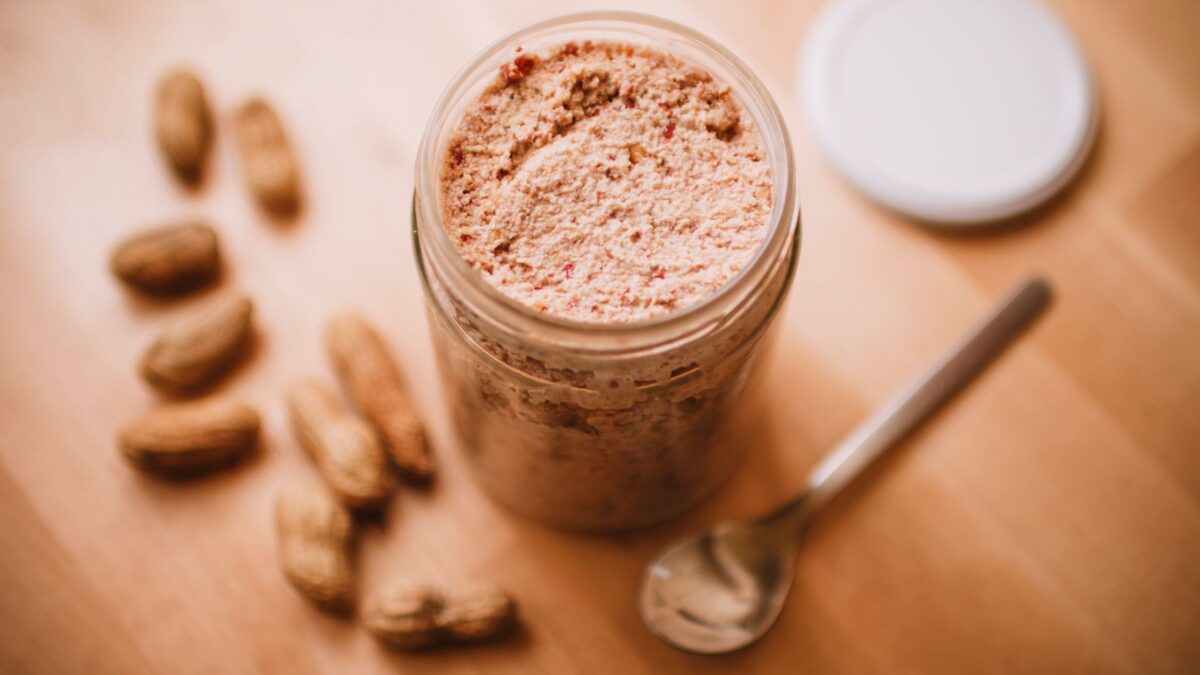
Xylitol is a sugar substitute that people handle without trouble but that is dangerous to dogs. It is added to some peanut butters, treats, gum and other products, so the ingredient list is the only reliable way to know whether a jar is safe to share. If your dog may have eaten something sweetened with it, call your veterinarian or the ASPCA Animal Poison Control Center at (888) 426-4435 right away.
The ASPCA runs that poison line 24 hours a day, 365 days a year, and says a consultation fee may apply.
What is xylitol, and why does it matter for dogs?
Xylitol is a sugar alcohol, a white crystalline solid that tastes about as sweet as ordinary sugar. According to Wikipedia, it is approved in the United States as a food additive and sugar substitute and is considered safe for humans. In people it has little effect on blood sugar, because the body handles it without insulin.
Dogs are a different case, and the effect of xylitol on a dog is a question for a veterinarian, not for a label or a search engine. The ASPCA lists human foods among the substances its poison experts help owners recognize, and its advice is simple: if you think your pet may have swallowed something potentially poisonous, call. Treat any xylitol product your dog gets into as an emergency phone call, even if the dog seems fine.
Where does xylitol turn up?
Wikipedia lists drugs, dietary supplements, sweets, toothpaste and chewing gum as common uses. It also notes that xylitol is not a typical household sweetener, so you will rarely find a bag of it next to the sugar. That makes it easy to miss: the exposure usually comes from a finished product, not from baking supplies.
For dog owners the usual suspects are:
- Peanut butter and other nut butters, especially those marketed as low sugar or sugar free
- Sugar-free gum and mints in handbags, coat pockets and cars
- Baked goods and sweets made with sugar substitutes
- Toothpaste and some supplements or medicines
- Treats and spreads made for people, including those used to stuff toys
A package that looks like it was made for dogs is still not a substitute for reading the label.
How do you check a peanut butter label for xylitol?
Read the ingredient list on every jar, even one you have bought before, because manufacturers change recipes. Look for the word xylitol. Wikipedia also gives the name birch sugar and the European Union additive code E967, so scan for those as well, especially on imported products.
- Turn the jar around and read the full ingredient list, not just the front label.
- Look for xylitol, birch sugar or E967.
- Be more careful with anything described as sugar free, reduced sugar or low sugar.
- If the label is unclear, skip the product or ask the manufacturer before giving it to your dog.
- Keep the jar or packet. If your dog does eat it, the label helps the vet and poison line.
A short ingredient list of peanuts, and perhaps salt, is the simplest case. Our guide to which human foods dogs can and cannot eat covers other kitchen items that need the same label check.
What should you do if your dog ate something with xylitol?
- Take the product away from the dog and keep the packaging.
- Call your veterinarian, an emergency clinic or the ASPCA Animal Poison Control Center at (888) 426-4435.
- Say what the product was, how much may be gone and roughly when it was eaten.
- Follow the vet’s instructions on whether to come in. Do not try to make the dog vomit unless a professional tells you to.
Do not wait for symptoms. A vet can only judge the risk if they hear about it early. This page cannot diagnose a pet; a veterinarian can.
How can you keep xylitol away from your dog?
Store gum, mints, toothpaste, supplements and sugar-free baked goods where a dog cannot reach them, including in bags on the floor. Ask guests and children not to share human snacks. When you buy peanut butter for stuffing toys or hiding pills, pick a plain one and read the label each time.
For rewards, treats made for dogs in small pieces are easier to control. Our piece on choosing training treats explains size and calories, and the broader list of foods that are dangerous to dogs shows what else to keep off the counter.
Quick answers
Is xylitol the same as sugar?
No. It is a sugar alcohol with a similar sweetness. Wikipedia says it supplies fewer calories than an equal weight of sucrose and is used in toothpaste, gum and confections.
Does cooking or baking remove the danger?
Wikipedia says xylitol is stable enough to be used in baking, so you should not assume heat makes a product safe for a dog.
Can a pet food company recall a product for this?
Recalls happen for many reasons. Our explainer on how a pet food recall works shows where notices appear and what to check on your own stock.
Checked against official sources in November 2026. Hours, prices and rules change: confirm on the official page before you go or apply.