Cat Not Eating: How Long Is Too Long and When to Call a Vet
A cat that skips food for more than 24 hours needs a call to the vet. Here are the common causes, home checks and warning signs to watch.
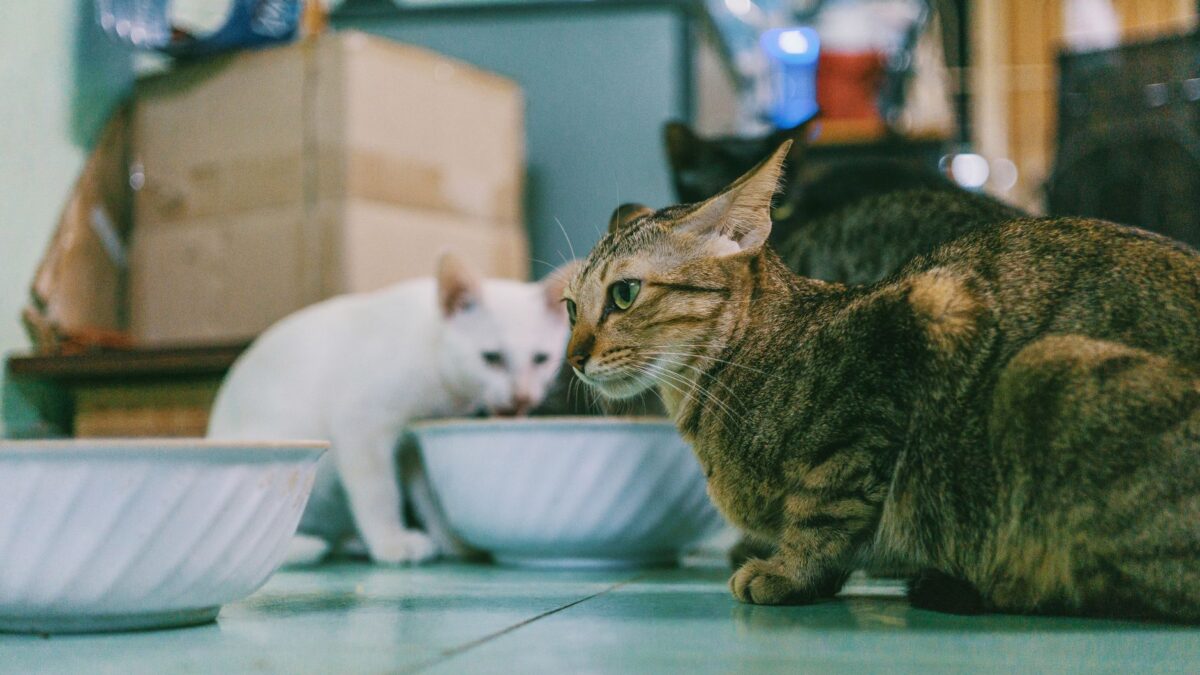
A cat that eats nothing for 24 hours should be seen by a veterinarian, and kittens, seniors, and cats with other health problems need a call sooner. Cats are not like dogs: a few days without food can put a cat at risk of a serious liver condition called hepatic lipidosis, which is more likely in overweight cats. A single skipped meal after a change of food or a stressful day is usually not an emergency, but a full day of refusing everything is a reason to phone.
How long can a cat go without eating?
Most vets advise calling once a healthy adult cat has gone a full day without food, and not waiting a second day. A cat that is also vomiting, hiding, drooling or breathing with effort should be seen the same day.
Kittens, senior cats, and cats with diabetes, kidney disease or other known conditions have fewer reserves, so for them a missed meal or two is enough to call the clinic. Overweight cats can develop liver problems faster after they stop eating, which is why waiting it out is a poor plan.
Why is my cat not eating?
The causes fall into three groups: medical, environmental and food-related. Only an exam can tell which one applies, but these are the usual suspects.
- Dental disease. Sore gums or a broken tooth make chewing painful, and a cat may approach the bowl and walk away.
- Nausea and stomach upset, from a hairball, a new food, something eaten that should not have been, or an infection.
- Upper respiratory infections. A blocked nose dulls the sense of smell, and cats rely on smell to decide whether to eat.
- Kidney disease, thyroid problems, diabetes and other illnesses that reduce appetite, especially in older cats.
- Pain from any source, including arthritis or an injury. See the subtle signs a cat is in pain.
- Stress: a move, a new pet, visitors, a change of routine or a bowl moved to a new spot.
- A change in food, a stale bowl of wet food left out, or a flavor the cat has decided it dislikes.
What can I check at home first?
Look at the cat as well as the bowl. Notice whether the cat is drinking, using the litter box, grooming and moving normally, and whether anything looks different from the day before.
- Throw out wet food that has sat out for hours and offer a fresh portion in a clean dish.
- Check the mouth gently from the outside for drooling, a bad smell or pawing at the face.
- Look for vomiting or diarrhea. If the cat is throwing up as well, read why a cat vomits and when to call the vet.
- Think about what changed: a new brand, a new home, a new animal, a closed door that blocked a favorite feeding spot.
- Warm wet food slightly (it should be lukewarm, not hot) to bring out the smell.
If a normally healthy cat is still bright and active, you can try these steps for a few hours. If there is no interest in food by the end of the day, call the clinic.
When should I call the vet right away?
Call the same day, or go to an emergency clinic after hours, when a cat that is not eating also shows any of these signs:
- Repeated vomiting or diarrhea.
- Lethargy, hiding or unusual weakness.
- Yellow tint to the gums, whites of the eyes or ears.
- Open-mouth breathing, fast breathing or labored breathing.
- Straining in the litter box or no urine produced, which is an emergency especially in male cats.
- Drinking far more or far less than usual.
- Possible poisoning, such as chewing lilies or swallowing a medication, string or other foreign object. The ASPCA Animal Poison Control Center can be reached around the clock.
Do not give human medicines to a cat. Many common painkillers are dangerous for cats, and only a veterinarian should decide on treatment.
What will the vet do?
The vet will ask when the cat last ate, what food it eats, and whether anything has changed. Expect a physical exam, including the mouth, abdomen, weight and temperature, and often blood and urine tests. Depending on the findings, the vet may add x-rays or an ultrasound, give fluids or anti-nausea medicine, or suggest a feeding plan to keep the cat eating while the cause is treated.
Bring a note of the food brand, any treats, plants or medications in the home, and the date of the last normal meal. For other signs worth reporting, the American Veterinary Medical Association publishes pet owner guidance on when to seek care.
Quick answers
Is it normal for a cat to skip a meal?
An occasional skipped meal can follow a change in food, hot weather or a stressful event. If the cat eats normally at the next meal and acts like itself, it is usually fine. Repeated skipped meals deserve a vet visit.
Should I force-feed a cat that will not eat?
No. Syringe feeding without veterinary guidance can cause choking and food aversion. Call the vet, who can show you how to assist feeding safely if it is needed.
Can a cat drink but not eat?
Yes, and it is still a reason to call. Drinking does not replace calories, and a cat that drinks but refuses all food can still be developing a problem.
Do old cats eat less?
Some seniors eat a little less, but a clear drop in appetite in an older cat is more often a sign of illness than age alone, so mention it to the vet.