Aflatoxin in Dog Food: Why Corn Mold Causes Recalls and What to Watch
Aflatoxin is a poison made by Aspergillus molds on corn and other grains. Why it triggers pet food recalls, how the FDA sets limits and what owners can do.
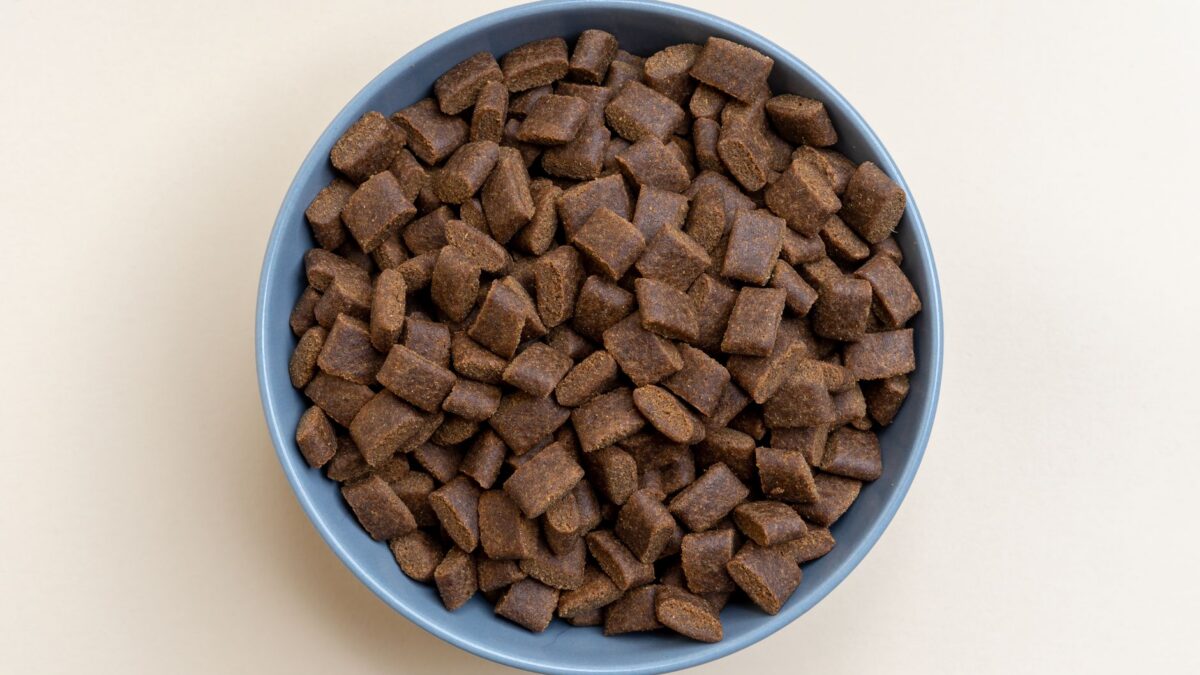
Aflatoxin is a poison made by molds of the Aspergillus family, mainly Aspergillus flavus and Aspergillus parasiticus, which grow on corn, peanuts, cottonseed, wheat, rice and other grains used in pet food. When a batch of dog food tests above the limits set by the US Food and Drug Administration, the maker or the agency can recall it. If your dog ate a recalled food and seems unwell, call your veterinarian or an emergency vet.
According to the Wikipedia entry on aflatoxin, no animal species is known to be immune to its acute toxic effects, and the toxin has turned up in both pet foods and human foods.
What is aflatoxin?
Aflatoxin is a group of related toxic compounds that certain molds produce as they grow. The main forms are called B1, B2, G1 and G2. B1 is considered the most toxic, and it is a strong carcinogen that has been tied directly to liver cancer in many animal species. When the liver of a person or animal processes B1, it can turn part of it into a less harmful form called aflatoxin M1.
Aflatoxins belong to a wider family of mold poisons called mycotoxins. The Wikipedia article on mycotoxins lists other members that also affect animals, including ochratoxin, citrinin, fumonisins, trichothecenes, zearalenone and ergot alkaloids. Aflatoxin is the best known of the group, and the USDA calls it probably the most intensively researched.
The name comes from Aspergillus flavus, the species in which some of the compounds were first found. Aflatoxin was identified in 1960 in England as the cause of Turkey X disease, which killed large numbers of young turkeys in the 1950s and 1960s.
How does corn mold end up in dog food?
Aspergillus molds live in soil, decaying plants, hay and grain that is starting to spoil. They can colonize a crop in the field before harvest or later while the grain sits in storage. Long spells of high humidity raise the risk, and so does stress on the plants such as drought.
The conditions that favor aflatoxin production are a moisture content of at least 7% and temperatures from 55 to 104 °F (13 to 40 °C). The best range for the mold is 27 to 30 °C (81 to 86 °F). Contamination of maize is rising as the climate changes.
Corn and other grains are common ingredients in dry kibble, so a contaminated shipment of grain can carry the toxin into a production run of pet food. Moldy grain does not always contain harmful levels of aflatoxin, but the presence of these molds means a significant risk.
How do manufacturers and regulators keep it out?
Control starts in the grain supply chain, where processing plants reject moldy grain and test batches of ingredients for aflatoxin before they go into the mix. Drying grain after harvest keeps it from staying damp in storage, which limits mold growth.
Regulators set limits on how much aflatoxin is acceptable. The FDA’s action levels for aflatoxin in food or feed range from 20 to 300 ppb (parts per billion), depending on the product and the animal it is meant for. When a product exceeds these levels, the FDA has called for both human and pet food recalls as a precaution.
Why does aflatoxin lead to recalls?
A recall happens when testing shows that a product on the market contains more aflatoxin than allowed. Most pet food recalls are voluntary, started by the company, though the FDA can step in. The differences between those routes are covered in our explainer on how the FDA’s mandatory recall power works.
The FDA also sorts recalls by risk. A product that could cause serious harm gets a different label from a minor labeling problem, and our guide to FDA recall classes for pet food explains what each class means. A quieter step, a market withdrawal, is sometimes used instead, and our article on recalls versus market withdrawals sets out the difference.
What signs should owners know?
High exposure to aflatoxin damages the liver. The acute form, called aflatoxicosis, causes death of liver tissue and can later lead to cirrhosis or liver cancer. Acute liver failure shows up as bleeding, swelling from fluid buildup (edema) and changes in digestion.
A dog with liver trouble needs a veterinarian to examine it and run tests, since many illnesses look alike from the outside. If your dog has eaten a food named in a recall notice, tell your vet the brand, product and lot number, and mention any signs the notice lists. In an emergency, go to an emergency vet or call the ASPCA Animal Poison Control Center.
What should you do if your dog’s food is recalled?
- Check the brand, product name, bag size, lot number and best-by date on your bag against the official recall notice.
- Stop feeding the product right away, even if your dog seems fine.
- Follow the company’s instructions for a refund, or return the bag to the store where you bought it.
- Dispose of the food so other animals and wildlife cannot get to it.
- Wash bowls, scoops and storage containers, and wash your hands after handling the food.
- Call your veterinarian if your dog shows any of the signs named in the notice.
When you switch to a new food, keep portions sensible; the site’s dog and cat calorie calculator estimates daily needs by weight.
Can you lower the risk at home?
Aspergillus grows best in warm, damp conditions. Keep bags sealed and in a cool, dry place, and do not feed food that smells musty or shows visible mold. Visible mold does not prove aflatoxin is present, though it shows the food was stored badly.
Some processing steps reduce aflatoxin in grain. Nixtamalization, soaking and cooking corn in an alkaline solution, greatly lowers concentrations. This happens at the factory, and it is not something an owner can do with finished kibble.
Quick answers
Is grain-free food safer from aflatoxin?
Aflatoxin molds grow on many crops besides corn, including peanuts, cottonseed and tree nuts, so removing grain does not remove all risk. Grain-free diets have their own questions, covered in our article on grain-free dog food and DCM.
Can people be affected by aflatoxin too?
Yes. Adults tolerate aflatoxin better than children, but no species is known to be immune, and the most toxic form, B1, can even pass through the skin. Wash your hands after handling recalled food.
Can cats be affected?
Cat foods that contain corn or other grains can carry the same contamination, and no animal species is known to be immune. Check any recall notice for the full list of products, which can include cat food.
Can processing remove aflatoxin?
Nixtamalization, which soaks and cooks raw maize in an alkaline solution, greatly reduces aflatoxin levels. It applies to grain before it becomes food, so the safe choice with a recalled bag is to stop feeding it.
Checked against official sources in November 2026. Hours, prices and rules change: confirm on the official page before you go or apply.