Gluten Detection Dog Edy Wins 2026 AKC Service Dog Award
Edy, an 8-year-old Standard Schnauzer who detects gluten for her handler, won the 2026 AKC Humane Fund Award for Canine Excellence in the Service Dog category.
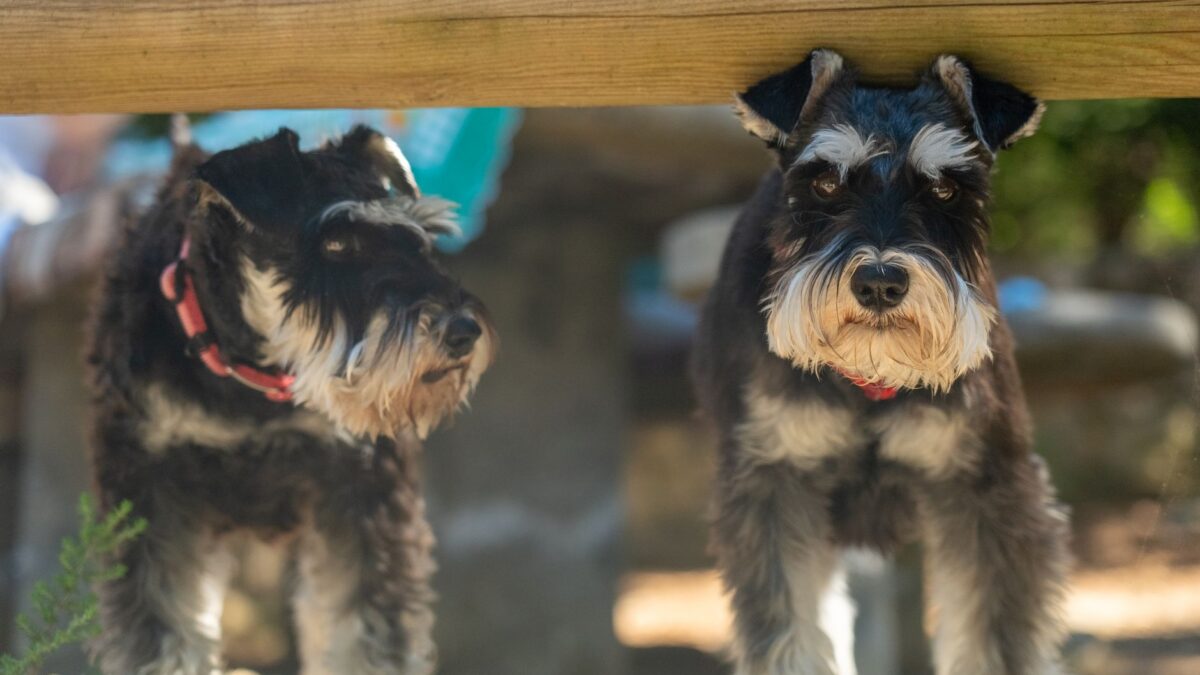
Edy, an 8-year-old Standard Schnauzer, has won the 2026 Award for Canine Excellence in the Service Dog category, the American Kennel Club reported. She works as a gluten detection dog for her owner and handler, Chad Shaffer.
Shaffer has refractory celiac disease type 2, a rare and life-threatening autoimmune condition. Edy is trained to alert him to gluten exposures he cannot see coming. She is also the first and only black female Standard Schnauzer in AKC conformation history to earn the Grand Championship Gold level, and she has competed at the Westminster Kennel Club Dog Show several times.
What the AKC Humane Fund award covers
The AKC Humane Fund gives the award each year to dogs that do extraordinary work in service to people. The categories are Uniformed Service K-9s, Therapy Dogs, Exemplary Companions, Search and Rescue for Disaster Response and Human Remains Detection, Teams, and Service Dogs. The Service Dog category covers dogs that enrich the lives of owners with physical or mental disabilities, including guide dogs for the blind, seizure-alert dogs, hearing dogs and balance dogs.
How Edy works
Shaffer’s illness began 16 years ago, when he fell ill and went into cardiac arrest at 100 pounds. Tests at the Mayo Clinic led to his diagnosis, and doctors also found a rare form of lymphoma in his intestine. Beyond a strict gluten-free diet there were few treatments, and he still receives monthly infusions of about 10 hours each. He recently had his 240th.
Even with precautions, cross-contamination exposed him to gluten. Since he began working with Edy, he says, no trace of gluten has shown up, and his bloodwork and biopsies have come back normal. One elevated result this year traced to a different gastrointestinal condition. He still reads labels and looks for gluten-free certification. Edy’s job is to confirm that an item sold as gluten-free really is. She can also detect gluten in medications.
Her alert is quiet. Her ears and eyebrows sometimes go up, or her nose starts moving. Shaffer wants it that way, since celiac disease is often called an invisible disability.
Training a gluten detection dog
Edy is Shaffer’s third Standard Schnauzer. His first gluten detection dog was Tux, who came to him at 7 years old and alerted by pawing the side of his wrist. At restaurants Tux checked food from under the table, which Shaffer found unsatisfying for both of them, and diners sometimes misread what they saw. With Edy he chose a different approach. She waits quietly under the table until he presents something from his plate.
Training carries risk for Shaffer, because even a trace of gluten can make him seriously ill for weeks. He first used a purified gluten powder that could become airborne. He now uses medical-grade oils derived from wheat, barley and rye, placing a small drop on a Q-tip in a hide box.
Why it matters
Shaffer says a gluten detection dog is a full-time commitment of time, energy and money and is not for the average person or family. The dog goes along every time, including on off days.
Edy’s most notable catch came at an Italian restaurant on the Shaffers’ 36th wedding anniversary. A dish that looked like gluten-free pasta made her alert twice. The chef learned that a new employee had cooked it in the same pot as regular wheat pasta. Shaffer has started training puppies from two of Edy’s litters, and he has no immediate plans to retire her.
Source: American Kennel Club